







What's Happening?
Nintendo has filed a motion to dismiss a class action lawsuit brought by consumers who allege the company is unlawfully retaining U.S. tariff refunds instead of passing them on to customers. The lawsuit, Hoffert et al v. Nintendo, was initiated by gamers
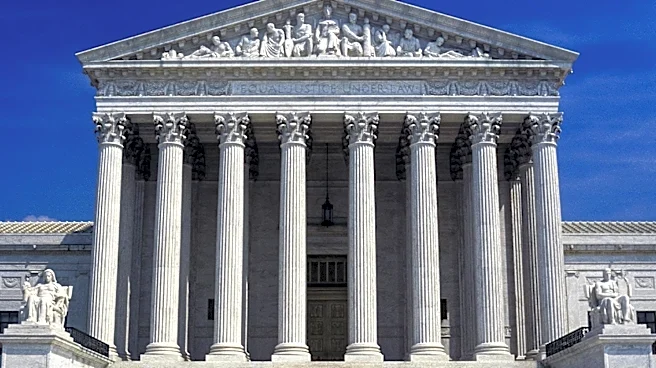
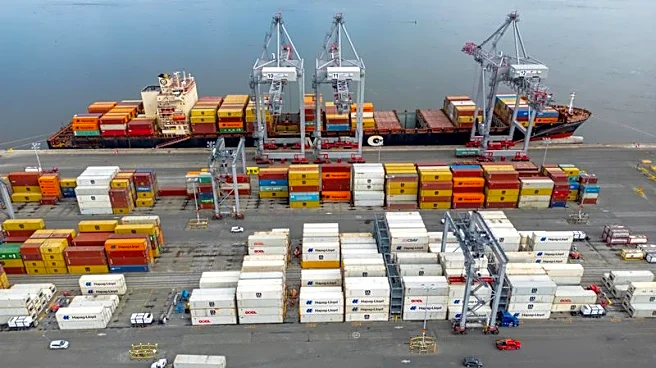
who purchased Nintendo products at increased prices due to tariffs imposed last year. These tariffs, described by Nintendo as 'sweeping' and 'constantly changing,' led to price hikes on items such as the Switch 2 controllers and the original Switch. In February, the U.S. Supreme Court ruled these tariffs illegal, prompting Nintendo to sue the U.S. government for a refund. The plaintiffs argue that Nintendo would be unjustly enriched if it retains both the profits from the tariff-inflated sales and the subsequent refund. Nintendo, however, contends that consumers received what they paid for and are not entitled to rebates due to legal changes.
Why It's Important?
This case highlights the complexities of international trade policies and their impact on consumer pricing. The outcome could set a precedent for how companies handle refunds from tariff-related adjustments. If the court sides with the plaintiffs, it may compel companies to reconsider pricing strategies and refund policies in response to legal changes. This could affect not only Nintendo but also other businesses facing similar situations. The case underscores the tension between corporate profit motives and consumer rights, particularly in the context of global trade regulations. A decision against Nintendo could encourage more consumer-driven lawsuits, potentially leading to increased corporate accountability in pricing practices.
What's Next?
The court's decision on whether to dismiss the lawsuit will be a critical next step. If the case proceeds, it could lead to a trial where the legal obligations of companies regarding tariff refunds are further scrutinized. The outcome may influence future corporate strategies and consumer protection laws. Stakeholders, including other tech companies and consumer rights groups, will likely monitor the case closely, as it could impact broader industry practices. Additionally, the U.S. government’s response to Nintendo’s refund lawsuit may also play a role in shaping the legal landscape for tariff-related disputes.