





What's Happening?
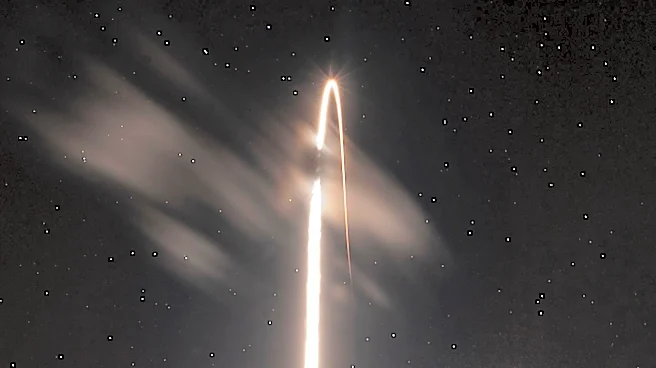
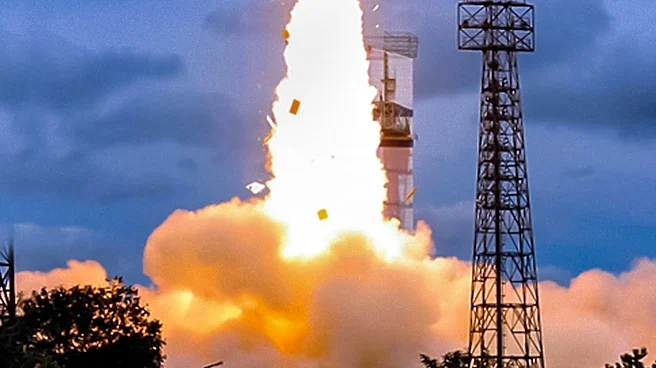
Rocket Lab has demonstrated a new integrated space mission capability with its Victus Haze mission, combining rocket launch, spacecraft, mission software, and in-space operations into a single service for the U.S. Space Force. The mission was executed
rapidly, with the spacecraft launched just 16 hours after receiving final instructions and operational within 38 hours. This capability allows Rocket Lab to offer a comprehensive service package, potentially increasing revenue by providing multiple mission components under one contract. The mission's success highlights Rocket Lab's ability to support rapid-response military operations.
Why It's Important?
The Victus Haze mission represents a significant advancement in Rocket Lab's service offerings, positioning the company as a versatile contractor capable of handling complex space missions. By integrating multiple mission components, Rocket Lab can streamline operations and reduce the risk of delays, making it an attractive partner for military and defense agencies. This capability could lead to more contracts and a stronger presence in the defense sector, enhancing Rocket Lab's competitive edge in the space industry. The success of this mission may also encourage other companies to adopt similar integrated approaches, potentially transforming how space missions are conducted.
What's Next?
Rocket Lab will continue to operate the Pioneer spacecraft for additional Space Force assignments, testing advanced tracking and observation techniques. The company aims to secure more contracts by demonstrating the effectiveness of its integrated mission approach. If successful, this could lead to repeat orders and a recurring services program with the U.S. Space Force. Rocket Lab's focus on developing its Neutron rocket for heavier payloads also indicates its commitment to expanding its capabilities and market reach.