
What's Happening?
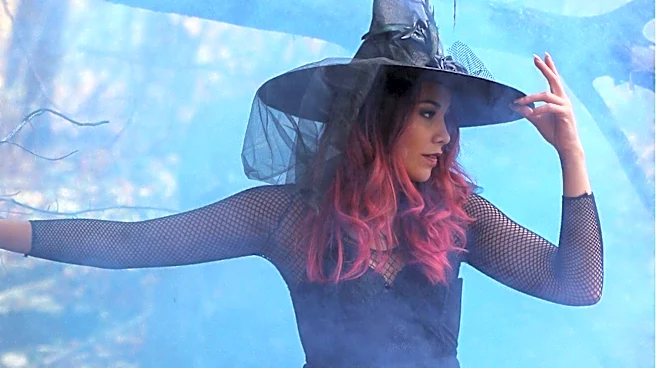
The depiction of witches in horror media serves as a lens to explore cultural anxieties about female power and liberation. Films like Robert Eggers' 'The Witch' and Lukas Feigelfeld's 'Hagazussa' present witches as figures of fear and fascination, reflecting
societal tensions. These portrayals often highlight themes of independence and power, challenging patriarchal norms. The witch, as a symbol, is used to sublimate fears about women's roles and autonomy. The article discusses how different works of fiction approach the witch archetype, either reinforcing or subverting traditional narratives.
Why It's Important?
The portrayal of witches in media reflects broader societal issues, particularly regarding gender dynamics and power structures. By examining these depictions, audiences can gain insight into historical and contemporary anxieties about female empowerment. This exploration can lead to a deeper understanding of how cultural narratives shape perceptions of gender and authority. The witch, as a symbol, offers a unique opportunity to critique and challenge existing power dynamics, encouraging discussions about gender equality and societal change.
Beyond the Headlines
The cultural significance of witches extends beyond entertainment, influencing academic discourse and feminist theory. The witch trials historically targeted women, and modern interpretations often seek to reclaim the witch as a symbol of resistance and empowerment. This reclamation challenges traditional narratives and highlights the ongoing struggle for gender equality. The witch's portrayal in media can serve as a catalyst for discussions about the role of women in society and the importance of challenging oppressive structures.