






What's Happening?
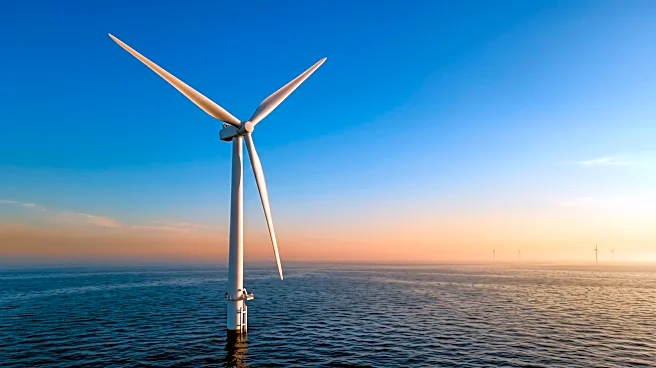
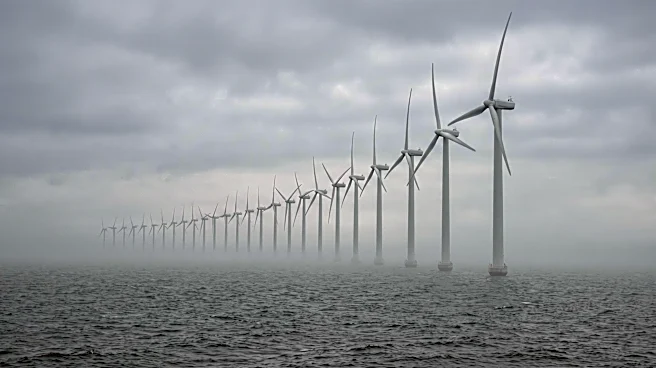
Ørsted A/S, a prominent renewable energy company, has revealed plans to reduce its workforce by approximately 2,000 jobs, representing 25% of its total employees, over the next two years. This decision comes in response to considerable setbacks experienced
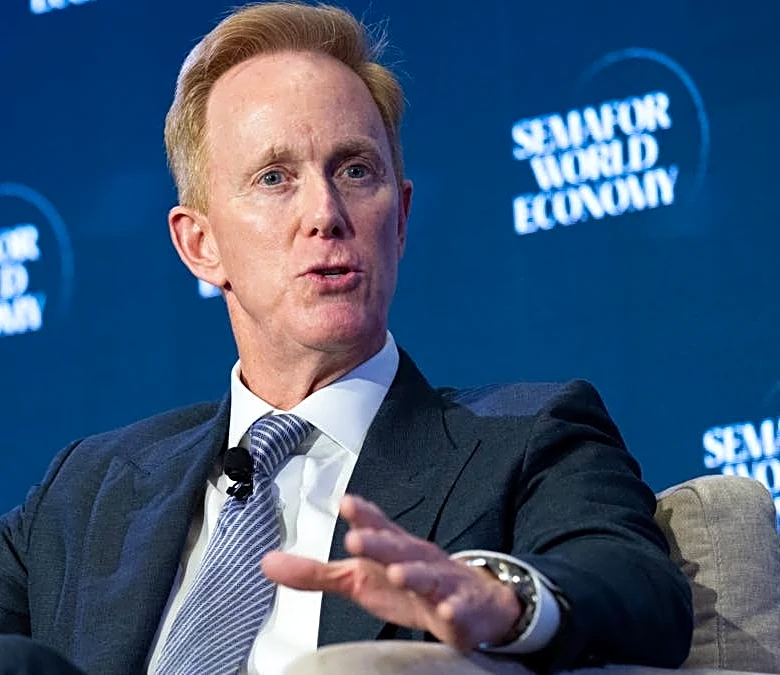
within the U.S. wind energy sector. The company is a significant player in the clean energy transition, holding a 1.56% weight in the iShares Global Clean Energy Transition UCITS ETF with 2,574,998 shares. Jens Christian, who leads sustainability and human rights due diligence at Ørsted, is focused on addressing adverse impacts on people while simultaneously supporting the global shift towards renewable energy. The planned job cuts indicate a strategic realignment for the company as it navigates challenges in key markets.
Why It's Important?
This announcement from Ørsted highlights the volatility and challenges currently facing the U.S. renewable energy sector, particularly in wind power. Significant job reductions by a major industry player can signal broader economic headwinds for the clean energy transition, potentially impacting investor confidence and future project development. For the U.S., a slowdown or increased difficulty in developing wind energy projects could hinder progress towards national climate goals and energy independence. The job losses will directly affect thousands of individuals and their families, creating economic instability in affected regions. Furthermore, it underscores the complex interplay between ambitious renewable energy targets and the practical, economic realities of project implementation and market conditions. This situation could lead to increased scrutiny of government policies and incentives designed to support the renewable energy industry.
What's Next?
Ørsted's next steps will likely involve the phased implementation of the announced job cuts over the coming two years, alongside a re-evaluation of its U.S. wind energy strategy. This could include a more cautious approach to new investments or a restructuring of existing projects to improve financial viability. The company may also engage with U.S. policymakers to address the underlying issues contributing to the setbacks in the wind sector, such as regulatory hurdles, supply chain disruptions, or economic incentives. Other renewable energy companies operating in the U.S. will be closely watching Ørsted's actions and the market's response, potentially adjusting their own strategies in light of these developments. The broader renewable energy industry may see a period of consolidation or a shift in focus to other, more stable segments or regions.
Beyond the Headlines
The challenges faced by Ørsted in the U.S. wind sector point to deeper systemic issues within the global energy transition. While the push for renewable energy is strong, the practicalities of large-scale infrastructure development, including permitting, grid integration, and economic viability, remain significant hurdles. This situation also brings to light the ethical considerations of a 'just transition,' where the shift to green economies must also account for the social and economic well-being of workers and communities. The job cuts, while a business decision, have profound human rights implications, as highlighted by the focus of Ørsted's own sustainability lead. It underscores the need for comprehensive policy frameworks that not only promote renewable energy but also ensure stability for the workforce and equitable development, preventing situations where the pursuit of environmental goals inadvertently leads to social disruption.