






What's Happening?
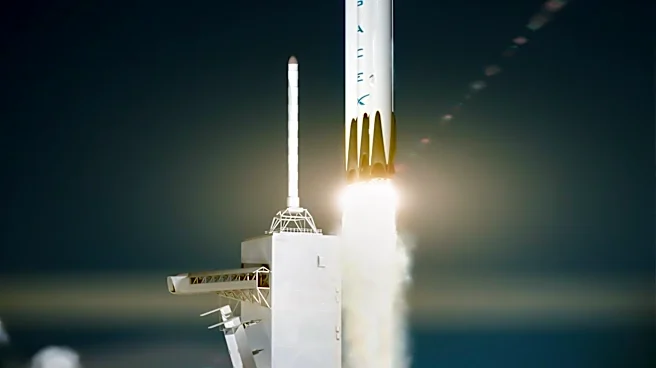
SpaceX, under the analysis of Jeremy from SemiAnalysis, is planning a significant expansion in AI infrastructure, aiming to deploy 10 gigawatts of compute by the end of 2027. This expansion is driven by the potential revenue from selling inference tokens,
which could generate $100 million per megawatt per year. However, the rapid development of AI models poses a threat to this buildout, as the models may become 'too good,' potentially leading to regulatory or operational challenges. SpaceX's strategy involves building data centers first, with plans to monetize the infrastructure through partnerships with major tech companies like Microsoft.
Why It's Important?
The expansion of AI infrastructure by SpaceX highlights the growing demand for computational power in the tech industry. This development could significantly impact the AI and data center markets, driving innovation and competition. The potential revenue from inference tokens underscores the economic value of AI advancements. However, the rapid pace of AI development also raises concerns about regulatory oversight and ethical considerations. The involvement of major tech companies like Microsoft indicates the strategic importance of AI infrastructure in shaping the future of technology and business operations.
What's Next?
SpaceX's ambitious plans will require navigating several challenges, including securing chip supply and managing regulatory compliance. The company will need to ensure that its infrastructure can support the growing demand for AI services while addressing potential ethical and operational issues. Collaboration with tech giants like Microsoft could provide the necessary resources and expertise to overcome these challenges. As the AI landscape continues to evolve, SpaceX's ability to adapt and innovate will be crucial in maintaining its competitive edge and achieving its infrastructure goals.