





What's Happening?
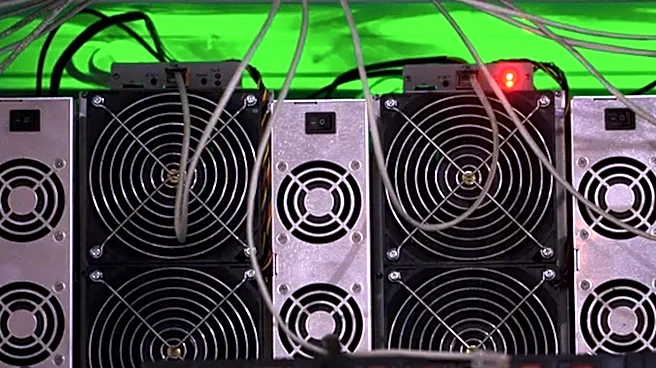
AI data centers are anticipated to account for approximately 12% of U.S. electricity consumption by 2030. This projection comes amid growing concerns about the energy demands of AI technologies. Current estimates suggest that individual AI interactions,
such as those with chatbots, have a minimal energy impact. However, the use of AI agents, which perform complex tasks and require multiple model calls, significantly increases energy consumption. For instance, a single AI agent session can consume as much electricity as running two refrigerators. The disparity between the energy use of simple AI interactions and more complex agentic tasks highlights the need for a standardized framework for corporate AI emissions accounting.
Why It's Important?
The increasing energy consumption of AI data centers poses significant challenges for energy infrastructure and environmental sustainability. As AI technologies become more integrated into various sectors, the demand for electricity will rise, potentially straining the grid and increasing carbon emissions. This trend underscores the importance of developing more energy-efficient AI technologies and integrating renewable energy sources into data center operations. The potential environmental impact of AI energy consumption necessitates urgent attention from policymakers, technology companies, and environmental advocates to ensure sustainable growth in AI capabilities.
What's Next?
To address the growing energy demands of AI, stakeholders are likely to focus on improving the energy efficiency of AI technologies and data centers. This could involve advancements in AI hardware, such as more efficient chips, and the adoption of renewable energy sources to power data centers. Additionally, there may be increased regulatory scrutiny and the development of industry standards for AI energy consumption and emissions. The trajectory of AI energy use will depend on the balance between technological advancements and the implementation of sustainable practices.
Beyond the Headlines
The energy consumption of AI technologies raises ethical and environmental questions about the sustainability of technological advancements. As AI becomes more prevalent, the industry must consider the long-term environmental impacts and strive for solutions that minimize carbon footprints. This situation also presents an opportunity for innovation in energy-efficient AI technologies and the potential for AI to drive advancements in renewable energy integration.