









What's Happening?
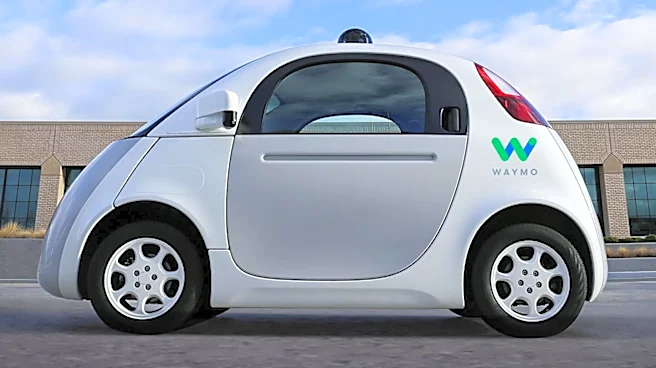
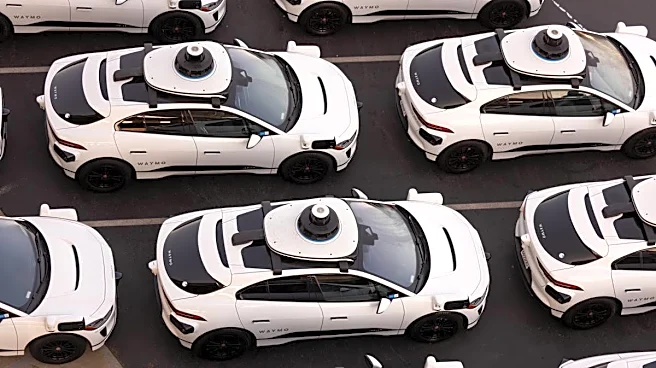
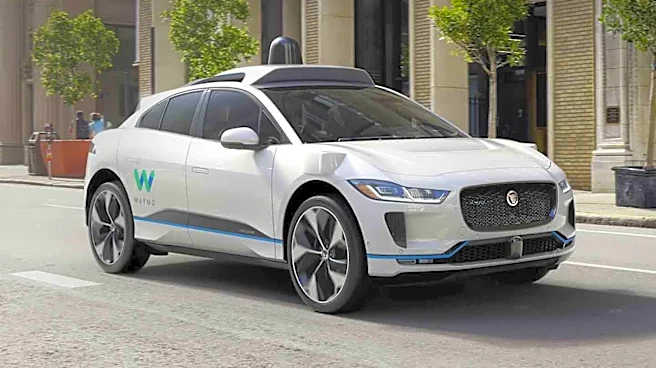
Uber has transitioned its strategy from developing its own autonomous vehicle technology to partnering with major robotaxi companies such as Waymo, Nuro, Baidu, and Volkswagen's MOIA. This strategic pivot aims to position Uber as a platform that connects
riders with both human-driven and autonomous rides. The company has signed agreements with over 25 robotaxi players, with driverless vehicles from these companies becoming available on the Uber app in several global cities. This move comes after Uber officially shut down its autonomous vehicle program in 2020, following a series of regulatory challenges and a fatal accident involving one of its self-driving cars. The shift in strategy reflects Uber's focus on becoming a commercial platform for various autonomous vehicle players worldwide.
Why It's Important?
Uber's new strategy could significantly impact the ride-hailing industry by accelerating the integration of autonomous vehicles into mainstream transportation. By partnering with established robotaxi companies, Uber can leverage existing technologies and infrastructure, potentially reducing costs and increasing efficiency. This approach may also influence regulatory frameworks as Uber's lobbyists push for laws that support 'hybrid networks' where human drivers and autonomous vehicles coexist. The strategy could limit competition by requiring other autonomous vehicle developers to use Uber's platform, thereby consolidating Uber's position as a leading ride-hail service. This development could affect labor markets, as the integration of autonomous vehicles may reduce the demand for human drivers, impacting employment in the sector.
What's Next?
Uber's lobbying efforts in states like New Jersey and Washington, DC, aim to influence legislation that would support its hybrid network model. In New Jersey, Uber has proposed legislative language that would require human drivers to handle a majority of rides, potentially limiting the operation of standalone robotaxi services. In Washington, DC, Uber is advocating for the inclusion of hybrid networks in autonomous vehicle legislation. These efforts indicate that Uber is actively shaping the regulatory environment to favor its business model. The outcome of these legislative processes could set precedents for how autonomous vehicles are integrated into public transportation systems across the U.S.