
What's Happening?
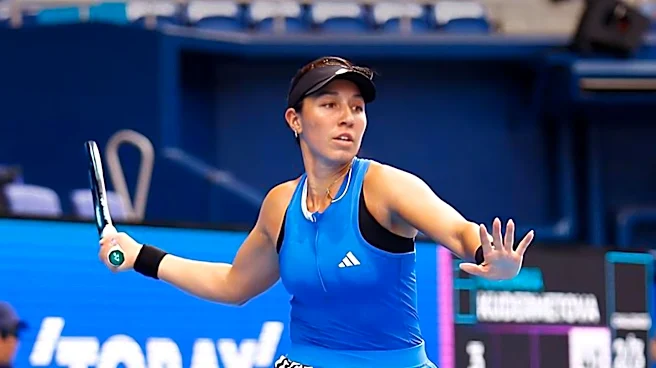
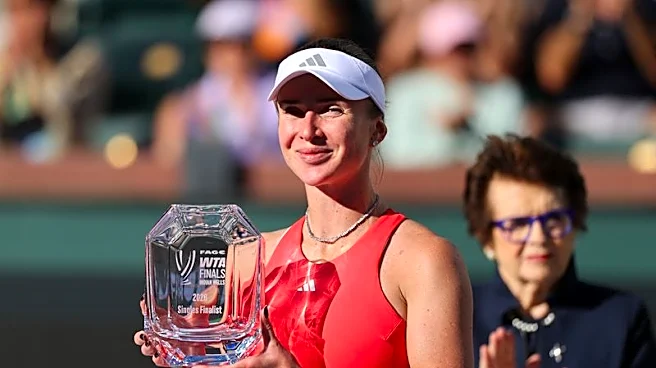
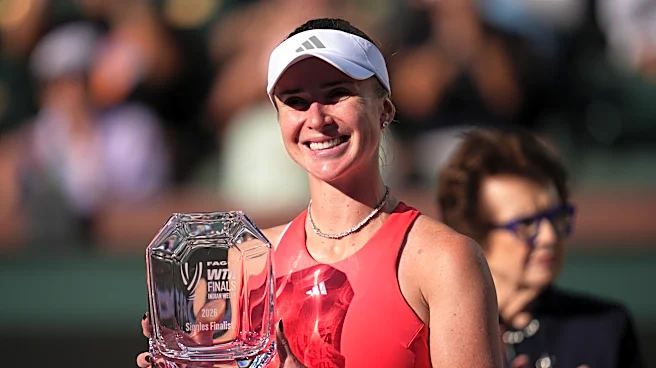
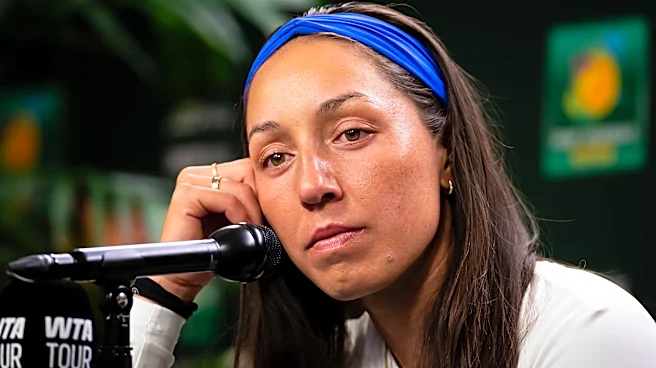
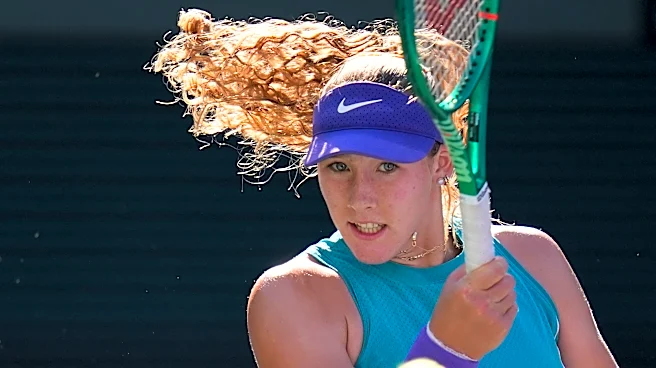
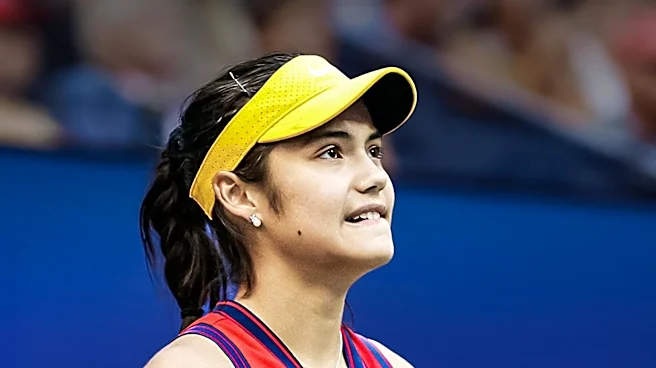
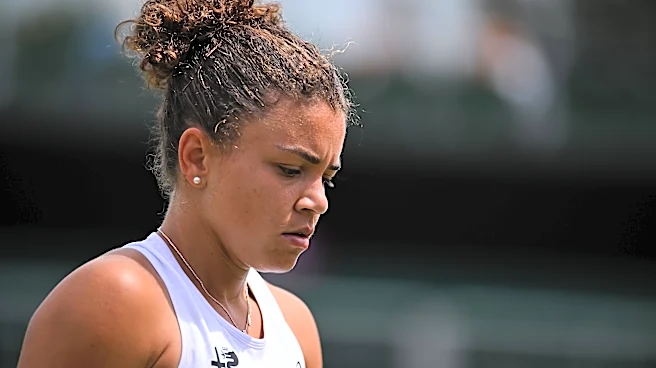
Jessica Pegula, a prominent tennis player, has offered behind-the-scenes details regarding the 2026 WTA Finals photo shoot, which deviated from traditional formats and received negative feedback. Instead of a single group photo in elegant evening wear,
the event featured candid shots in informal settings and individual portrait shots. Pegula revealed that designers selected players for outfits; for instance, Chanel chose her as she lacked a pre-existing agreement with a designer. She noted that while the candid photos turned out well, she wished different attire had been used for the formal individual portraits. Pegula also mentioned that a group shot, which many believed was omitted due to Elina Svitolina's stance on associating with Russian or Belarusian players, never materialized. The photo shoot's departure from tradition and its reception have sparked considerable discussion within the tennis community.
Why It's Important?
This event highlights the evolving intersection of sports, fashion, and media in professional tennis. The negative reception to the WTA Finals photo shoot underscores the importance of understanding fan expectations and maintaining brand image. For the WTA, a major sports organization, public perception of such high-profile events can impact viewership, sponsorship, and overall engagement. The controversy also touches upon player individuality versus collective representation, as well as geopolitical tensions influencing sports events, as suggested by the potential reason for the absence of a group photo. The incident serves as a case study for sports organizations on managing public relations and player experiences in an increasingly scrutinized digital age, where every detail can be amplified and debated by fans and media alike.
What's Next?
The WTA will likely review the feedback from players and the public regarding the 2026 photo shoot to inform future event planning. There may be a return to more traditional formats for high-profile player gatherings, or a more concerted effort to ensure that innovative approaches are well-received and align with the event's prestige. Discussions around player representation and the handling of sensitive geopolitical issues within sports events are also expected to continue. The incident could prompt the WTA to implement clearer guidelines for media interactions and photo shoots, ensuring that player comfort and public image are carefully managed. Future WTA Finals events will likely be under increased scrutiny regarding their media presentations.
Beyond the Headlines
The photo shoot controversy extends beyond mere aesthetics, touching on deeper themes of athlete agency, media control, and the commercialization of sports. The shift from traditional group photos to more 'candid' and individualized shots reflects a broader trend in media to personalize content, but in this instance, it appears to have backfired. The mention of Elina Svitolina's potential influence on the group photo's absence also highlights the ongoing impact of global political events on international sports, forcing organizations to navigate complex ethical and diplomatic considerations. This situation prompts questions about the balance between artistic expression, commercial interests, and maintaining a unified image for a global sports league, especially when individual player preferences or political stances come into play.