





What's Happening?
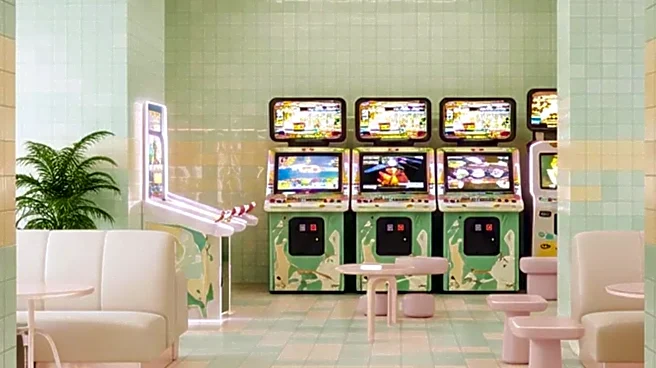
Mint green is being highlighted as a significant interior design trend for 2027, offering a blend of nostalgic and futuristic qualities. According to color expert Amy Moorea Wong, mint green sits between the natural world and a digital one, making it a versatile
and refreshing choice. It evokes a mid-century space-age palette while also connecting to contemporary tech and app culture. Color consultant Harriet Slaughter notes that mint green is particularly effective at conjuring a 1930s-1950s feel, lending it a nostalgic quality. Designers like Jennifer Sucher and Samantha Hauvette emphasize its fresh, optimistic, and energetic attributes, suggesting it can be used as a vibrant accent or a sophisticated wall color when balanced with earth tones. The trend has been observed across fashion runways and design weeks, indicating its growing influence in broader aesthetic movements.
Why It's Important?
The rise of mint green as a prominent interior design trend signifies a shift in consumer preferences towards colors that offer both comfort and a forward-looking appeal. Its nostalgic quality can resonate with individuals seeking a sense of familiarity and warmth, while its futuristic undertones cater to those desiring modern and innovative aesthetics. This dual appeal makes mint green a versatile choice for various design styles, from retro-inspired to contemporary minimalist. For the interior design industry, this trend will influence product development, material choices, and color palettes for furniture, textiles, and decor. It also reflects a broader cultural desire for optimism and freshness in living spaces, potentially impacting consumer spending on home renovations and decor items. The color's ability to feel both uplifting and clean makes it particularly suitable for spaces like bathrooms and kitchens, suggesting practical applications in residential and commercial design.
What's Next?
As mint green gains traction, it is expected to appear more frequently in home decor collections, architectural designs, and commercial spaces throughout 2027. Manufacturers of paints, fabrics, and furniture will likely introduce new lines featuring this shade, offering consumers a wider range of options. Interior designers will continue to explore innovative ways to incorporate mint green, whether as a dominant color or as an accent, experimenting with complementary palettes such as deeper greens, inky navy, or contrasting reds like rust and cherry. Educational content and trend reports from design publications will further popularize its use, providing guidance on how to effectively integrate it into various interior styles. The trend's evolution may also see variations in mint green, from more pastel and subdued tones to brighter, almost neon iterations, catering to diverse aesthetic preferences.
Beyond the Headlines
The popularity of mint green extends beyond mere aesthetic preference, reflecting deeper psychological and cultural undercurrents. Its association with both nature and technology speaks to a contemporary desire for balance between the organic and the digital in an increasingly tech-driven world. The nostalgic aspect of mint green can offer a sense of comfort and escape from present-day anxieties, harkening back to simpler times. Simultaneously, its futuristic feel aligns with a forward-thinking mindset and an embrace of innovation. This duality suggests that consumers are seeking environments that are both grounding and inspiring. The color's 'oxygenated' quality, as described by experts, implies a desire for freshness, clarity, and rejuvenation in personal spaces, potentially influencing well-being and mood. This trend highlights how color choices in interior design are often a reflection of broader societal values and aspirations.