




What's Happening?
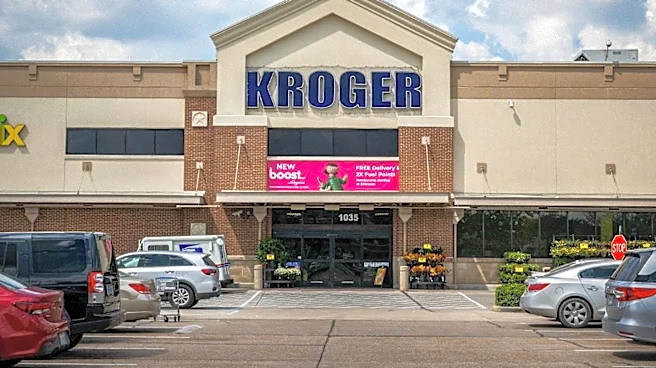
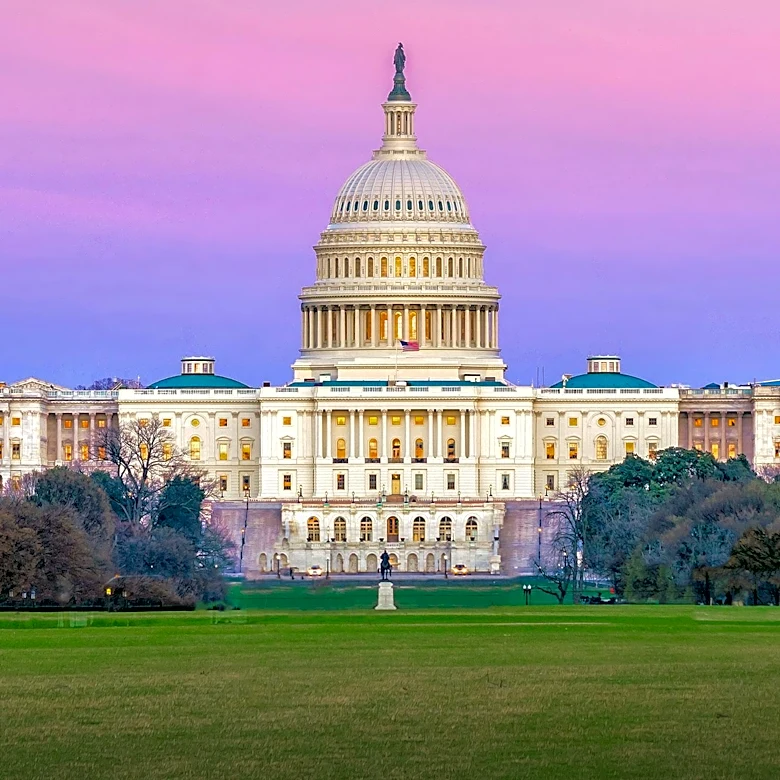
U.S. Senators Elizabeth Warren (D-Mass.) and Bob Casey (D-Pa.) have sent a letter to Kroger Chairman and CEO Rodney McMullen, alleging that the company is using digital price tags to engage in price gouging. The senators issued a press release on August
7, announcing an investigation into Kroger's use of these digital price tags, warning that the practice of 'surge pricing' with electronic shelving labels has led to inflated prices for consumers. While the press release explicitly accuses Kroger of gouging and 'hurting customers,' it does not provide direct proof of this practice. Kroger, in response, stated that its business model aims to lower prices over time to attract more customers, which in turn generates more revenue for investment in lower prices, higher wages, and an improved shopping experience. The company asserted that any testing of electronic shelf tags is intended to further reduce prices for customers and that suggestions otherwise are untrue. This inquiry follows an announcement by the Federal Trade Commission and the Department of Justice to investigate high grocery prices.
Why It's Important?
This development is significant as it highlights growing concerns among U.S. lawmakers regarding potential corporate profiteering and its impact on American families struggling with the cost of living. The accusation against Kroger, a major grocery chain, suggests a broader scrutiny of pricing strategies, particularly those enabled by new technologies like digital price tags. If proven, the practice of 'surge pricing' could lead to increased financial strain on consumers, especially for essential goods like groceries. The involvement of the FTC and DOJ indicates a potential for regulatory action or policy changes aimed at preventing price manipulation in the retail sector. This could set a precedent for how companies implement dynamic pricing models and could influence consumer protection laws. The outcome of this investigation could impact the profitability of grocery retailers and shape consumer trust in pricing transparency.
What's Next?
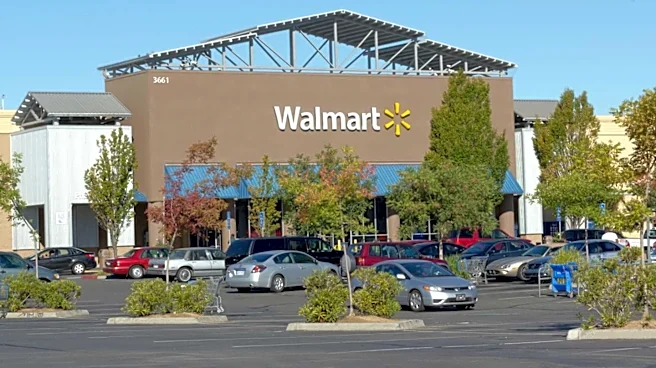
Senators Warren and Casey's letter to Kroger includes more than a dozen questions regarding the company's use of digital price tag technology. The inquiry aims to better understand the justification for and risks associated with electronic shelving. The letter also raises concerns about whether Kroger and Microsoft are adequately protecting consumer data. The Federal Trade Commission and the Department of Justice are also conducting their own investigation into high grocery prices, indicating a multi-faceted approach to addressing these concerns. The growing adoption of Electronic Shelf Label (ESL) technology by major retailers like Walmart and Schnuck Markets suggests that the findings and any subsequent actions regarding Kroger could have widespread implications for the retail industry. Future steps may include further congressional hearings, potential regulatory guidelines on dynamic pricing, or even legal challenges if evidence of price gouging is substantiated.
Beyond the Headlines
The controversy surrounding Kroger's digital price tags touches upon deeper ethical and economic implications. The ability of electronic shelving labels to facilitate 'dynamic pricing' based on factors like weather, time of day, or other transitory events raises questions about fairness and transparency in consumer transactions. While dynamic pricing can offer benefits such as efficient inventory management and personalized offers, its potential for 'surge pricing' could be perceived as exploitative, particularly for essential goods. This situation also highlights the increasing role of artificial intelligence and machine learning in retail pricing strategies, as noted by Kroger's collaboration with IntelligenceNode. The debate extends to the balance between corporate profitability and consumer welfare, especially in an inflationary environment. The outcome could influence public perception of technological advancements in retail and potentially lead to calls for stricter regulations on how companies utilize data and algorithms to set prices, ensuring that innovation does not come at the expense of consumer protection.