




What's Happening?
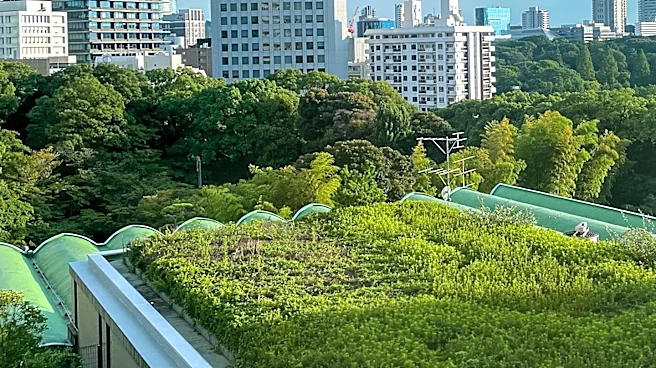
Tokyo Portcity Takeshiba, a high-rise office complex, is actively integrating nature into its urban environment through a project called Takeshiba Shin Hakkei, or the 'Eight New Views of Takeshiba.' This initiative includes the creation of rice paddies,
honeybee colonies, and rain gardens within the complex's cascading 'skip terraces,' which span from the second to sixth floors of the Office Tower. The terraces cover approximately 6,600 square meters, with about 1,700 square meters dedicated to greenery. The project aims to foster a 'satoyama-like landscape,' inspired by traditional Japanese relationships between human activity and managed natural environments. Activities such as rice planting, harvesting, and honey collection events are organized, attracting participants including office workers, their families, and children from nearby nursery schools. These hands-on experiences are designed to connect people with nature and promote an understanding of ecosystem services.
Why It's Important?
This initiative by Tokyo Portcity Takeshiba represents a significant trend in urban development, focusing on enhancing worker well-being and business growth through green infrastructure. By incorporating natural elements like rice paddies and honeybee habitats into a dense urban setting, the project addresses the growing need for biodiversity and green spaces in cities. The emphasis on hands-on agricultural experiences provides a unique educational opportunity, particularly for children, to learn about nature and environmental conservation. This model could influence future urban planning globally, demonstrating how mixed-use developments can successfully combine office functions, public spaces, and ecological features within limited urban footprints. The project also aims to strengthen green corridors, connecting the complex with surrounding natural areas and contributing to broader urban biodiversity.
What's Next?
The project is expected to continue its seasonal activities, including rice planting and harvesting, and honey collection, which adapt to the changing landscape throughout the year. The long-term goal, as articulated by Yanase Rieko, is to transform Tokyo Portcity Takeshiba into more than just a workplace, but a comfortable urban space where people can engage with nature and refresh themselves. This ongoing commitment suggests a sustained effort to integrate ecological principles into daily urban life. The Tokyo Metropolitan Government's broader initiatives to protect, cultivate, and utilize Tokyo's greenery, in collaboration with companies like TOKYU LAND CORPORATION, indicate a continued push towards making Tokyo a sustainable city in harmony with nature.
Beyond the Headlines
The integration of agricultural practices and natural habitats within a corporate high-rise challenges conventional notions of urban development and office environments. This approach highlights a deeper cultural and ethical shift towards valuing ecological services and human-nature interaction in highly urbanized areas. It suggests a redefinition of 'productivity' to include well-being and environmental stewardship, moving beyond purely economic metrics. The project's success could inspire similar initiatives in other global cities, fostering a new paradigm where urban spaces are not just concrete jungles but vibrant ecosystems that support both human and natural life. This could lead to long-term shifts in architectural design, corporate social responsibility, and public engagement with environmental issues.