









What's Happening?
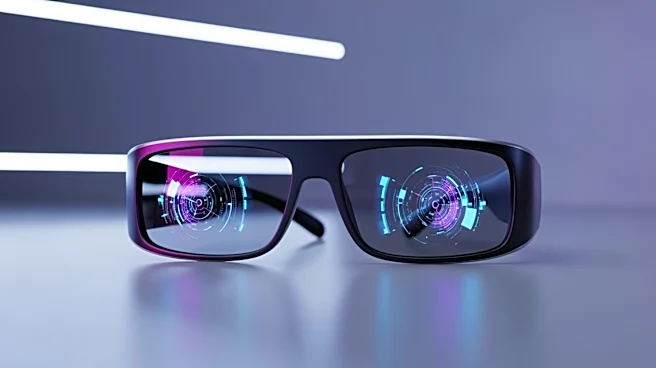
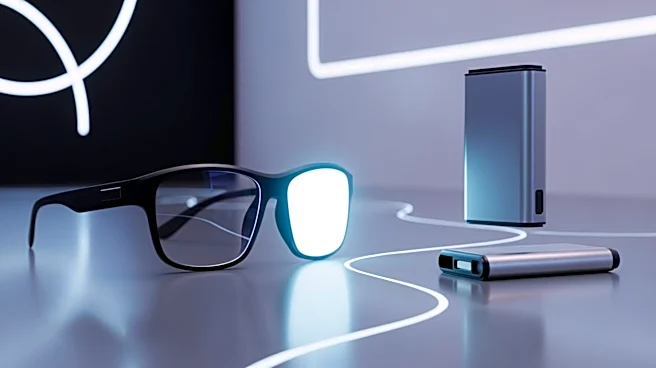
Snap Inc. has reignited discussions about augmented reality (AR) glasses with a statement highlighting their long-term investment in the technology. The company has spent $3 billion over 11 years developing AR glasses, now branded as 'Specs'. This move
comes as Snap and other tech giants push consumer AR hardware, transitioning from developer-only devices to consumer markets. The announcement has sparked debates over privacy, cost, and the practical utility of AR glasses. Snap's CEO, Evan Spiegel, emphasized the potential of AR to reduce reliance on smartphones, suggesting a shift in how users interact with technology. However, the crowded market and potential surveillance concerns pose significant challenges.
Why It's Important?
The development of AR glasses by Snap and its competitors represents a significant shift in consumer technology, with potential implications for privacy and market dynamics. As companies invest heavily in AR, the pressure to monetize these technologies grows, raising questions about user data security and the balance between innovation and surveillance. The high cost of AR devices, exemplified by Apple's Vision Pro, sets a premium benchmark that could limit accessibility. The integration of AR into daily life could redefine user interactions with technology, but it also necessitates careful consideration of privacy and ethical standards.
What's Next?
As Snap prepares to launch its AR glasses to consumers in 2026, regulatory scrutiny is expected to increase, focusing on privacy and data handling practices. Consumers will need to weigh the benefits of AR technology against potential privacy risks and financial costs. The success of AR glasses will depend on the development of a robust app ecosystem and the ability to address privacy concerns effectively. Stakeholders, including investors and privacy advocates, will closely monitor the rollout and its impact on the tech landscape.