



What's Happening?
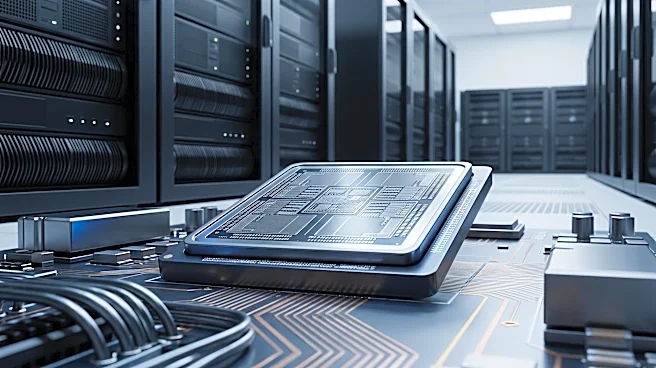
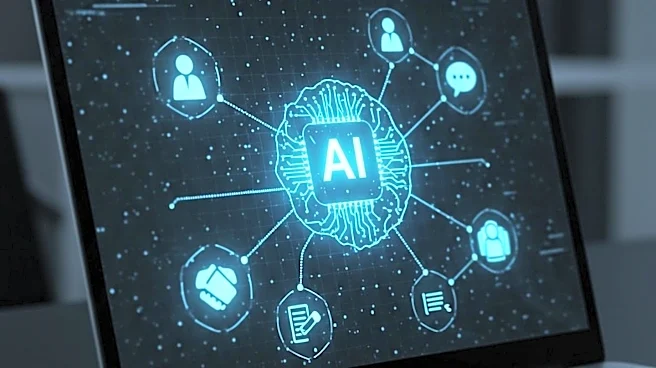
The rapid growth of artificial intelligence (AI) is significantly accelerating data center refresh cycles, leading to a surge in the decommissioning of older hardware. AI chips demand substantially more power and generate greater heat than traditional
servers, necessitating heavy-duty liquid cooling systems. This increased power consumption and thermal output mean that existing data center infrastructure often cannot keep pace with AI's requirements. Furthermore, the rapid evolution of frontier AI models renders older data center chips obsolete quickly, as they cannot handle the massive data processing and speed required by new AI software with billions of variables. This forces companies to constantly upgrade hardware, shortening server replacement timelines from 5-7 years to 18-36 months, and creating a rapid spike in disposition and decommissioning volume.
Why It's Important?
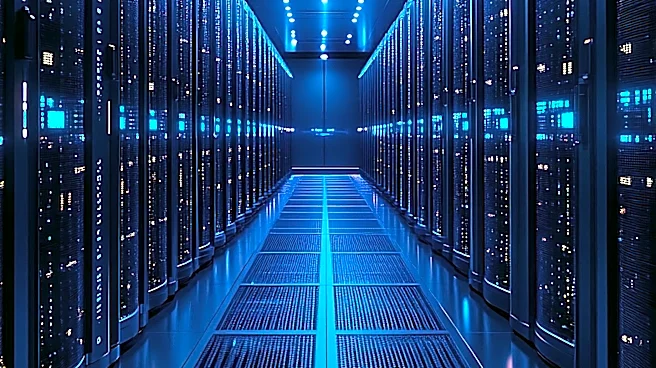
This accelerated decommissioning cycle has profound implications for the U.S. technology industry and the environment. The constant need for hardware upgrades translates into significant capital expenditure for companies, impacting their operational costs and profitability. It also exacerbates the global e-waste crisis, as functional yet 'outdated' equipment is discarded at an unprecedented rate. For data center operators, managing this rapid turnover requires robust IT asset disposition (ITAD) plans, including secure data sanitization, chain of custody, and remarketing strategies for components that still hold value. The shift from reactive to proactive ITAD strategies is crucial to mitigate environmental liability and maximize financial recovery from decommissioned assets.
What's Next?
Companies will increasingly need to implement proactive ITAD strategies to manage the influx of decommissioned AI hardware. This includes detailed plans for data security, infrastructure evaluation for new AI racks, and environmental considerations for liquid cooling systems. Partnerships with ITAD providers will become essential for handling large-scale decommissioning, ensuring compliance, and recovering value from older equipment. The industry may also see innovations in sustainable data center design and more efficient recycling processes to address the growing e-waste challenge. Furthermore, the demand for specialized ITAD services is expected to grow as AI adoption continues to expand.
Beyond the Headlines
The rapid obsolescence driven by AI's advancement raises ethical questions about technological sustainability and corporate responsibility. The environmental impact of increased e-waste and energy consumption from AI data centers will likely draw greater scrutiny from regulators and environmental groups. This could lead to new policies and standards for hardware lifecycle management and energy efficiency in the tech sector. Moreover, the economic pressure to constantly upgrade could create a divide between companies that can afford the latest AI infrastructure and those that cannot, potentially impacting competitive landscapes and innovation trajectories.