





What's Happening?
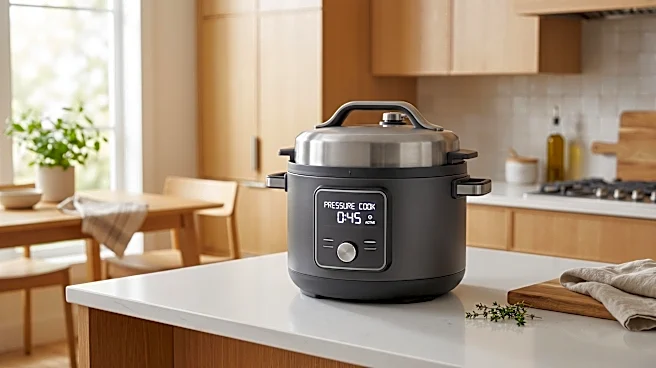
The integration of smart kitchen appliances is transforming everyday cooking, offering enhanced convenience, efficiency, and healthier meal preparation. Modern appliances, such as air fryers, smart refrigerators, advanced microwaves, high-performance
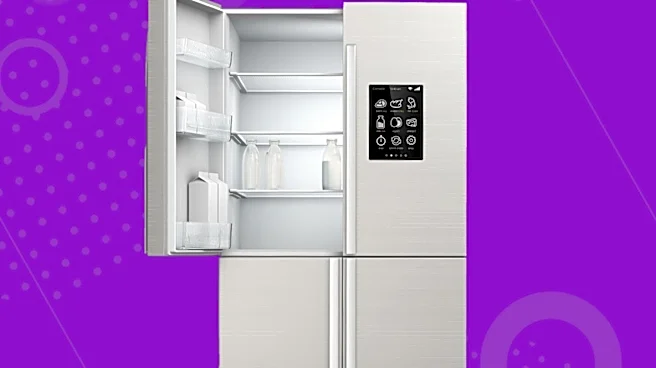
blenders, and multi-cookers, are designed to save time and effort while delivering consistent results. Air fryers, for instance, cook food quickly with minimal oil, making them popular for healthier meals. Smart refrigerators now feature inverter technology and adjustable cooling zones to preserve food freshness more effectively. Microwaves have evolved beyond simple reheating, incorporating functions like defrosting, grilling, and sensor programs. Blenders are becoming more powerful, reducing preparation time for various recipes, and multi-cookers combine several functions into one unit, saving counter space. These technological advancements aim to simplify kitchen tasks and inspire new culinary experiences for families.
Why It's Important?
This shift towards smart kitchen appliances is significant for U.S. households as it directly impacts daily routines, health, and economic choices. The emphasis on time-saving and efficiency addresses the demands of busy lifestyles, potentially reducing reliance on processed foods and takeout. For consumers, these appliances offer opportunities for better portion control and nutritional tracking, especially when integrated with fitness apps, promoting healthier eating habits. Economically, the growing market for smart kitchen scales and other smart appliances indicates a robust sector within the home goods industry, driving innovation and competition. Manufacturers stand to gain from increased sales and technological advancements, while consumers benefit from more sophisticated and user-friendly options that can lead to long-term savings on food waste and energy consumption through efficient designs.
What's Next?
The trend of smart kitchen appliances is expected to continue evolving, with further integration into broader smart home ecosystems. Future developments may include more advanced AI-driven features that personalize cooking experiences, suggest recipes based on available ingredients, and optimize energy usage. The market will likely see an increase in appliances with enhanced connectivity, allowing for remote control and seamless interaction with other smart devices. As health consciousness grows, there will be a continued focus on features that support dietary goals, such as precise nutritional tracking and customized meal plans. This ongoing innovation will likely lead to a wider array of specialized smart kitchen tools, making cooking even more accessible and tailored to individual needs.
Beyond the Headlines
Beyond the immediate benefits of convenience and efficiency, the rise of smart kitchen appliances reflects a broader cultural shift towards technology-driven solutions in domestic life. This trend raises questions about data privacy, as connected devices collect information on usage patterns and dietary habits. There are also ethical considerations regarding accessibility, as these advanced appliances may not be affordable for all households, potentially widening the digital divide in home technology. Furthermore, the increasing automation in the kitchen could alter traditional cooking skills and family meal dynamics. The long-term implications include a potential redefinition of culinary expertise, where technology assists or even guides the cooking process, transforming how food is prepared and consumed within the home.