






What's Happening?
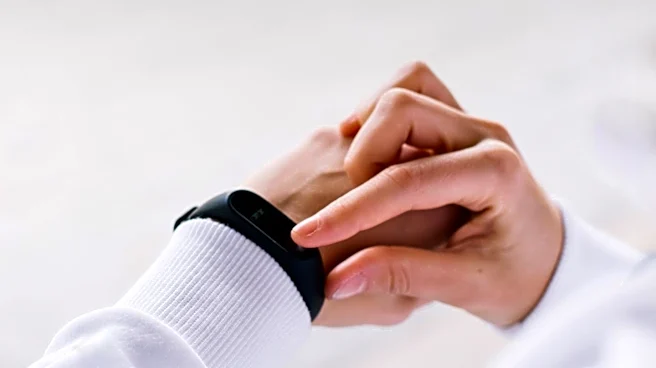
Consumer sleep trackers, including smartwatches, fitness bands, and smart rings, provide users with estimates of their sleep patterns, including total sleep time, and different sleep stages like light, deep, and REM sleep. These devices primarily rely
on indirect signals such as actigraphy (motion sensing), heart rate (via photoplethysmography or PPG), heart rate variability (HRV), and sometimes skin temperature. Unlike clinical polysomnography (PSG), which uses electroencephalogram (EEG) to measure brain waves, these consumer devices do not directly measure brain activity. While they are reasonably accurate at estimating total sleep duration and sleep/wake patterns, their accuracy in distinguishing between specific sleep stages, particularly deep sleep and REM sleep, is significantly lower. Studies show that deep sleep estimates can be off by 30 to 60 minutes or more per night, and REM and light sleep are often confused, with estimates frequently off by 15 to 45 minutes or more per night. Accuracy can also vary based on the device brand, firmware updates, user age, and the presence of sleep disorders.
Why It's Important?
The widespread adoption of consumer sleep trackers has significant implications for public health and individual well-being in the U.S. While these devices can motivate better sleep habits and provide general trends, their limitations in accurately measuring sleep stages can lead to misinterpretations of sleep health. Individuals might experience 'sleep anxiety' if they over-rely on potentially inaccurate data, leading to unnecessary stress about their sleep quality. For the healthcare industry, it's crucial to educate the public that these devices are not medical instruments and cannot replace clinical sleep studies for diagnosing sleep disorders. The reliance on indirect signals means that while they offer convenience, they lack the precision required for medical evaluation. This distinction is vital to prevent self-diagnosis or delayed professional medical consultation for serious sleep issues, which could have long-term health consequences.
What's Next?
As technology advances, consumer sleep trackers are expected to improve their algorithms and sensor capabilities, potentially enhancing accuracy over time. However, the fundamental difference in measurement methods (indirect signals versus direct brain activity) means they are unlikely to fully match the precision of clinical PSG in the near future. Users are advised to continue using these devices as tools for identifying general sleep trends and motivating healthy habits, rather than as definitive diagnostic instruments. Healthcare professionals will likely continue to emphasize the importance of consulting a doctor for persistent sleep problems or symptoms that significantly impact daily life. The development of more sophisticated, yet still non-invasive, sleep tracking technologies that can more accurately infer sleep stages without direct brain wave measurement remains an ongoing area of research and development.
Beyond the Headlines
The proliferation of sleep tracking technology raises broader questions about data privacy and the ethical implications of collecting sensitive health information. While many users appreciate the insights, the proprietary algorithms and data handling practices of various companies are not always transparent. There's a growing need for clear regulations and industry standards regarding the accuracy claims and data security of these devices. Furthermore, the focus on quantifiable sleep metrics might inadvertently shift attention away from subjective feelings of rest and well-being, potentially leading to an over-reliance on numbers rather than listening to one's body. The challenge lies in harnessing the motivational benefits of these technologies while mitigating the risks associated with their inherent limitations and the potential for data misuse.