





What's Happening?
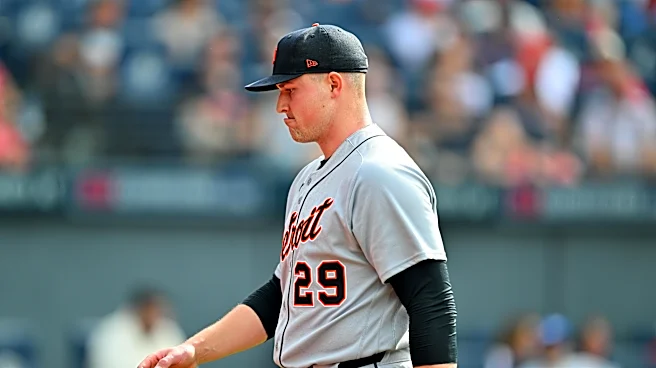
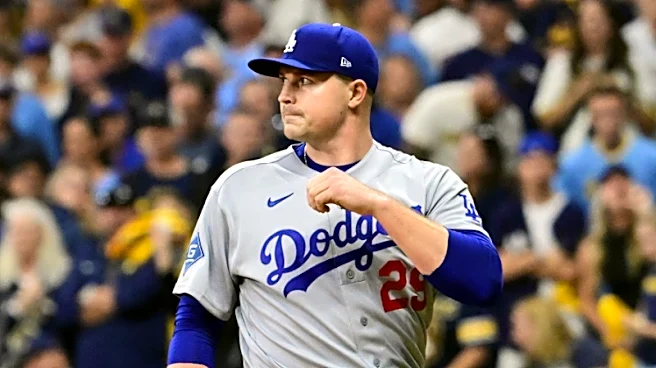
The New York Mets are reportedly leading the pursuit to sign free agent pitcher Tarik Skubal, with speculation suggesting a nine-year deal worth nine figures. This potential acquisition comes with considerable discussion regarding the 'less-is-more' trend
in pitching, as highlighted by Tyler Kepner of The Athletic. Skubal, despite winning two Cy Young Awards, has accumulated only 925 1/3 career innings pitched across 160 starts by his 30s. His managers have allowed him to throw 100 pitches or more in only 17 of those starts, representing 10.6 percent of his career outings. This pattern raises questions about the long-term value and durability of pitchers in an era where pitch counts are meticulously managed. The Mets' interest in Skubal mirrors a previous experience in 2026 with Freddy Peralta, nicknamed 'Five-Inning Freddy,' who struggled after being acquired.
Why It's Important?
The Mets' pursuit of Tarik Skubal underscores a significant dilemma in modern baseball: how to value and invest in elite pitching talent when pitchers are increasingly managed with lower inning totals and pitch counts. Skubal's career statistics present a fascinating test case for this 'less-is-more' approach, where effectiveness is prioritized over traditional innings pitched. For the Mets, securing Skubal represents a high-stakes gamble, given his limited innings despite his accolades. If successful, it could validate a strategy of investing heavily in pitchers who dominate for shorter stints. Conversely, if Skubal struggles with durability or consistency over a long-term, high-value contract, it could reinforce concerns about the sustainability of such investments in the current pitching landscape. This decision will influence how teams assess risk and reward in pitcher contracts across MLB.
What's Next?
The immediate future involves the Mets' ongoing negotiations with Tarik Skubal, as they aim to secure him with a substantial long-term contract. Should the Mets sign Skubal, the focus will shift to how his performance aligns with the 'less-is-more' pitching philosophy. His ability to maintain elite performance while potentially adhering to lower pitch counts and innings limits will be closely scrutinized. The Mets' management will need to develop a strategy to maximize his effectiveness while mitigating the risks associated with his career innings total. Furthermore, the outcome of this high-profile signing will likely influence other MLB teams' approaches to evaluating and investing in pitchers, particularly those with similar career profiles. The broader implications for pitcher development and usage strategies within the league will also be observed.
Beyond the Headlines
The debate surrounding Tarik Skubal's potential contract extends beyond mere financial figures; it delves into the evolving understanding of pitcher physiology and performance optimization. The 'less-is-more' approach reflects a growing belief that limiting a pitcher's workload can prolong their career and maintain peak effectiveness, even if it means fewer innings per start. However, this strategy also raises questions about the traditional definition of a 'workhorse' pitcher and the value of deep outings. The Mets' willingness to invest heavily in Skubal, despite his relatively low career innings count, suggests a shift in how teams perceive and manage pitching assets. This could lead to further innovations in pitcher development, training, and in-game management, potentially reshaping the role of starting pitchers in baseball and influencing future collective bargaining discussions regarding player workload and compensation.