




What's Happening?
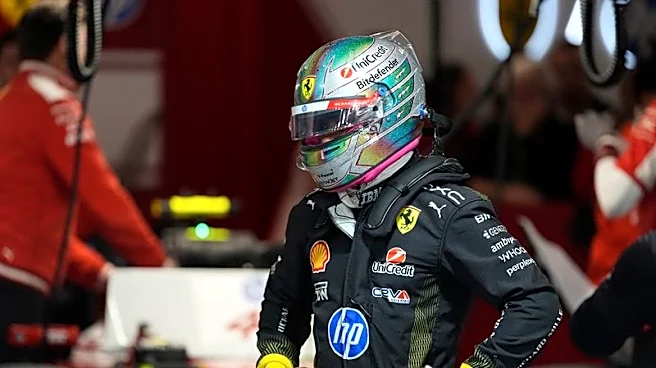
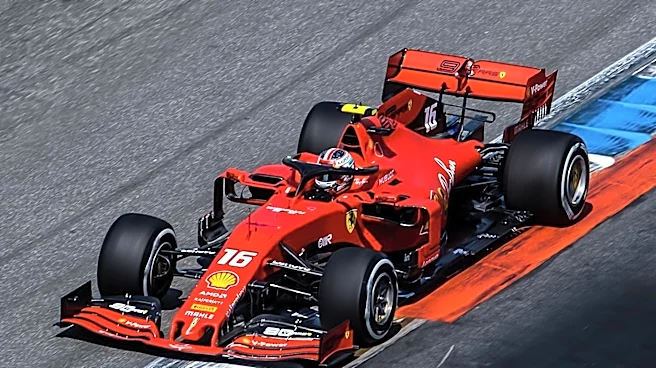
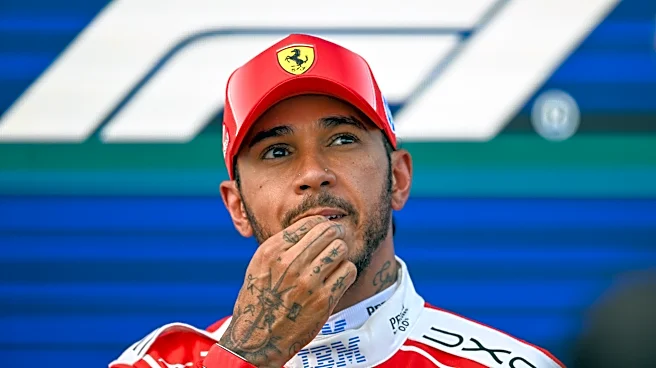
Lewis Hamilton believes he could have secured a record eighth Formula 1 world championship if Ferrari had prioritized him over his teammate Charles Leclerc during the current season. Hamilton's assertion follows a second collision with Leclerc in three
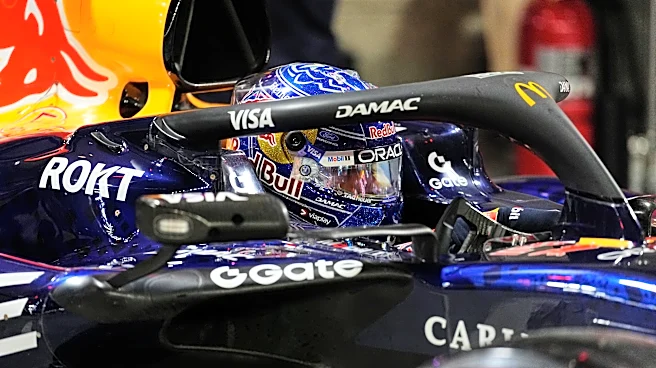
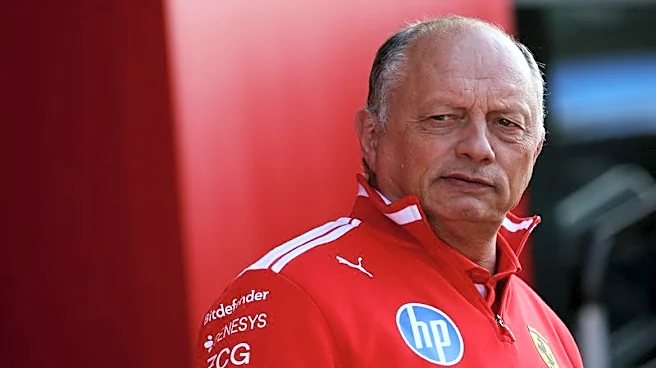
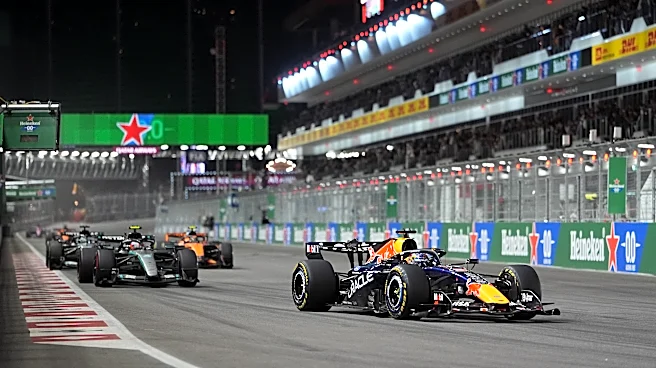
races at the Las Vegas Grand Prix, an incident Ferrari team principal Fred Vasseur deemed 'completely unacceptable.' Despite rejecting claims that he ever asked to be the number one driver, Hamilton stated that at one point in the season, he was 40 points ahead of Leclerc and was the closest contender to Kimi Antonelli for the title. He felt that with stronger team support, he could have mounted a more serious challenge against Antonelli. Hamilton's maiden win for Ferrari in Barcelona placed him 41 points behind Antonelli and 40 ahead of Leclerc, indicating a period where he was in a strong position to contend for the championship. He emphasized that certain instances during the season, with adequate backing, could have altered the outcome of the championship battle.
Why It's Important?
This situation highlights the complex dynamics within Formula 1 teams, particularly when two top drivers are competing for the championship. Hamilton's comments underscore the critical role of team strategy and support in a driver's championship aspirations. The internal competition and perceived favoritism can significantly impact a team's overall performance and individual driver outcomes. For Ferrari, a team with a rich history and high expectations, managing driver rivalries is crucial for championship success. The incident in Las Vegas and Hamilton's subsequent remarks could lead to increased scrutiny on Ferrari's team management and strategy decisions. It also raises questions about how teams balance individual driver ambitions with overall team objectives, especially when one driver is in a stronger championship position. The outcome of such internal dynamics can influence sponsor relations, team morale, and future driver lineups.
What's Next?
The immediate focus for Ferrari will likely be on managing the fallout from Hamilton's comments and the on-track incidents between their drivers. Team principal Fred Vasseur may need to address the perceived lack of support for Hamilton and clarify the team's strategy moving forward. With only 50 points remaining across the final rounds in Qatar and Abu Dhabi, Hamilton's chances of finishing runner-up have diminished, as he is currently 37 points behind Max Verstappen. The team will need to ensure that both drivers remain focused on securing the best possible results for the remainder of the season, while also addressing any underlying tensions. Discussions about team orders or clearer strategic guidelines might emerge to prevent future on-track clashes and optimize championship points. The situation could also influence contract negotiations and driver market dynamics for upcoming seasons, particularly as teams assess their driver pairings and internal support structures.
Beyond the Headlines
Beyond the immediate championship implications, this scenario touches upon the broader ethical considerations of team sports versus individual achievement in Formula 1. While F1 is a team sport, the individual driver's championship is highly coveted, creating inherent tension. Hamilton's remarks bring to light the unspoken expectations drivers have regarding team support when they are in a prime position to win. This situation could spark wider debates within the sport about the fairness of internal competition and the role of team management in influencing championship outcomes. It also highlights the psychological aspect of racing, where a driver's confidence and performance can be significantly affected by their perception of team backing. The long-term impact on Ferrari's team culture and its ability to attract and retain top talent could also be a subtle consequence, as drivers often seek environments where they feel fully supported in their quest for championships.