





What's Happening?
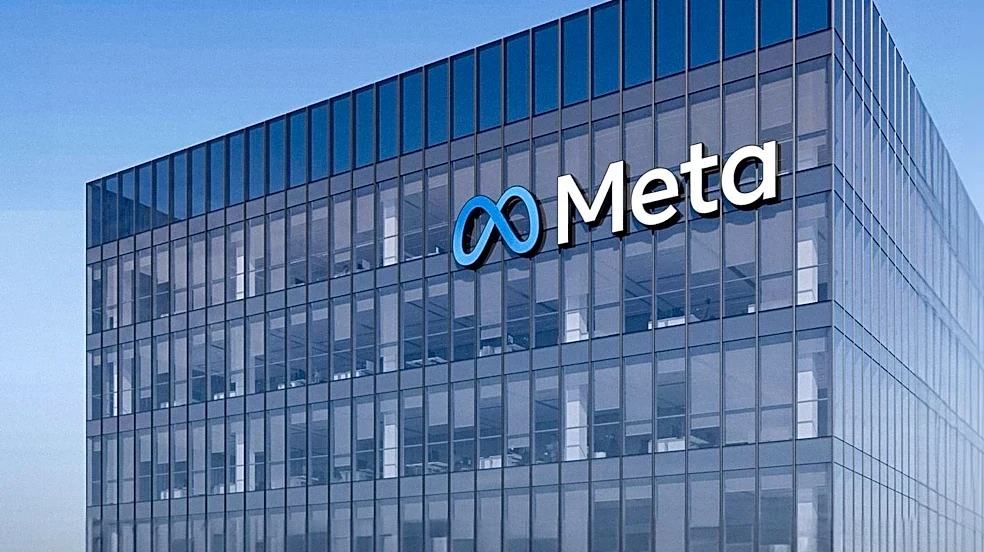
Meta is currently constructing its largest-ever AI data center, named Hyperion, in rural Richland Parish, Louisiana. This massive facility spans nearly 10 million square feet and is expected to significantly impact the local economy and job market. The
project is projected to employ over 7,500 trade workers during its peak construction phase and will create 1,000 operational jobs upon completion. In response to this demand, Louisiana Delta Community College in West Monroe has launched a four-week Data Center Technician program. This program, costing nearly $3,700, trains students for entry-level positions in the rapidly expanding data center industry. The inaugural class saw all 11 graduates receive job offers from IES Communications, a contractor involved in Meta's project. The college now graduates approximately 24 students monthly, with many residents viewing these opportunities as a pathway to higher-paying jobs in a region where agriculture is a primary industry and no state minimum wage law exists.
Why It's Important?
The development of Meta's Hyperion data center in Louisiana signifies a major shift in regional economic opportunities and workforce development. For residents in Richland Parish and surrounding areas, it offers a new avenue for lucrative employment, with entry-level positions potentially paying $25 to $30 an hour, a substantial increase compared to previous local wages. This influx of high-paying jobs can transform the economic landscape of a rural area, potentially reducing the need for residents to seek employment elsewhere. The establishment of specialized training programs, like the one at Louisiana Delta Community College, highlights a proactive approach to preparing the local workforce for the demands of the AI-driven tech industry. This model could serve as a blueprint for other communities experiencing similar large-scale industrial developments, ensuring that local populations benefit directly from such investments. The project also underscores the growing demand for skilled labor in the data center sector, driven by the rapid expansion of AI infrastructure across the U.S.
What's Next?
As construction of Meta's Hyperion data center progresses, the demand for skilled data center technicians is expected to continue to rise. Louisiana Delta Community College plans to expand its Data Center Technician program to accommodate the growing interest and need for trained professionals. The college currently has a backlog of students seeking to enroll, indicating sustained interest in these new career paths. Graduates of the program will continue to find opportunities with contractors working on Meta's project, and the skills acquired are transferable to other data centers and IT departments, offering long-term career flexibility. The influx of workers and the establishment of the data center are likely to further stimulate local businesses and services in Richland Parish. However, the community will also need to address potential concerns regarding environmental impacts and daily life disruptions that often accompany large industrial projects, as some residents have expressed mixed feelings about the development.
Beyond the Headlines
The Meta data center project in Louisiana illustrates a broader national trend of tech companies investing heavily in AI infrastructure, often in rural areas. This trend brings significant economic benefits, such as job creation and increased tax revenue, but also raises important questions about sustainable development, resource allocation, and community integration. The rapid expansion of AI necessitates massive data centers, which in turn require substantial power and cooling resources, potentially straining local grids and water supplies. The focus on vocational training programs like the one at Louisiana Delta Community College highlights a critical need to bridge the skills gap in the tech sector, particularly for roles that do not require traditional four-year degrees. This shift could empower local communities by providing accessible pathways to high-tech careers, fostering economic resilience, and diversifying regional economies beyond traditional industries. The long-term success of such projects will depend on effective collaboration between corporations, educational institutions, and local governments to manage both the opportunities and challenges presented by this new wave of industrial development.