
What's Happening?
Researchers at the University of Miami, Anna Queiroz and Meshak Cole, have developed a new AI-driven cycling system designed to provide personalized coaching based on a rider's real-time effort. Unlike
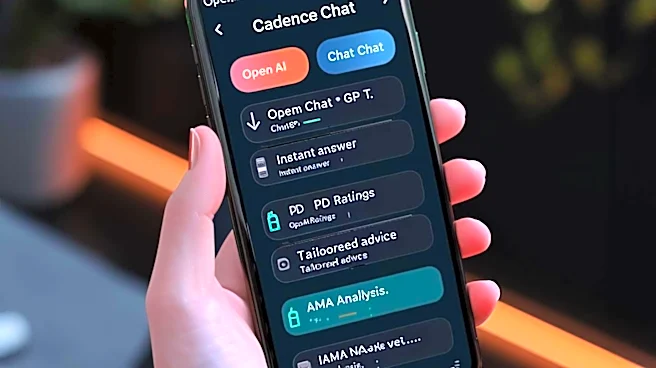
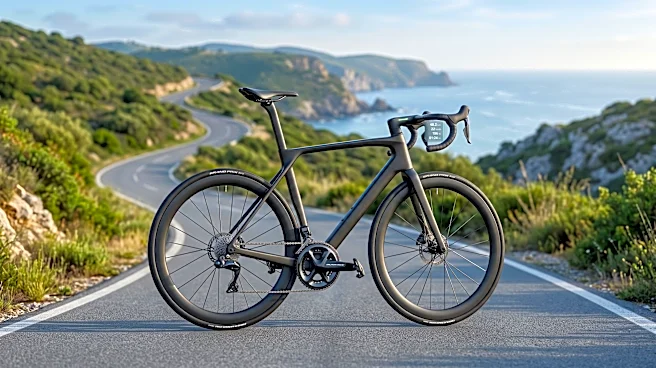
existing exercise applications that offer pre-programmed experiences, this prototype integrates physiological sensing, motivational psychology, and artificial intelligence to adapt guidance to individual needs, abilities, and progress. The system, powered by a cellphone app, uses data from earbuds, a chest strap, and sensor-enabled pedals to monitor power, cadence, and heart rate. It then determines when and what kind of motivational or instructional messages to deliver, which appear as subtitles on a virtual handlebar display and are converted to speech through earbuds. A pilot study is underway with 90 participants to compare progress among groups receiving AI coaching, no coaching, or some coaching prior to their ride.
Why It's Important?
This AI-driven cycling system represents a significant advancement in personalized fitness technology, with potential implications for the broader U.S. health and wellness market. By offering adaptive guidance tailored to individual effort, it addresses a key limitation of many current exercise apps, which often provide generic prompts. This innovation could make personalized coaching more accessible and affordable, potentially reducing the need for expensive human trainers for many individuals. For the fitness industry, it signals a shift towards more intelligent and responsive digital solutions, creating new opportunities for app developers and hardware manufacturers. The system's ability to respond to a rider's state in real-time could lead to more effective and engaging workouts, ultimately contributing to improved public health outcomes by encouraging consistent physical activity.
What's Next?
The pilot study's results will be crucial in validating the effectiveness of this AI coaching system. If successful, the next steps would likely involve refining the prototype, expanding the range of adaptive cues, and potentially exploring commercialization avenues. This could include partnerships with fitness equipment manufacturers, app developers, or even integration into broader health platforms. Further research might investigate the system's applicability to other forms of exercise beyond cycling and its long-term impact on user adherence and performance. The development could also spur competition in the personalized fitness tech market, leading to more sophisticated and user-centric AI coaching solutions becoming widely available to U.S. consumers.
Beyond the Headlines
Beyond its immediate application in fitness, this AI system touches upon broader themes of human-computer interaction and the future of personalized services. The integration of motivational psychology into AI coaching highlights a growing understanding that effective guidance extends beyond mere data analysis to encompass emotional and psychological factors. This raises questions about the ethical implications of AI influencing human behavior and motivation, and the potential for over-reliance on algorithmic encouragement. Furthermore, the collection of extensive physiological data by such systems underscores the ongoing importance of data privacy and security. As AI becomes more embedded in personal health, society will need to grapple with how to balance the benefits of personalized insights with concerns about surveillance and algorithmic control over intimate aspects of life.