

What's Happening?
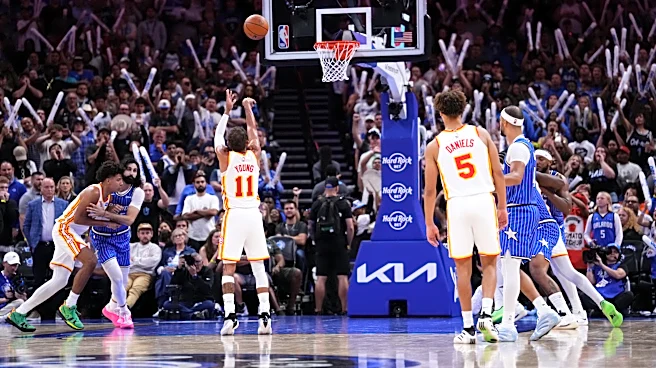
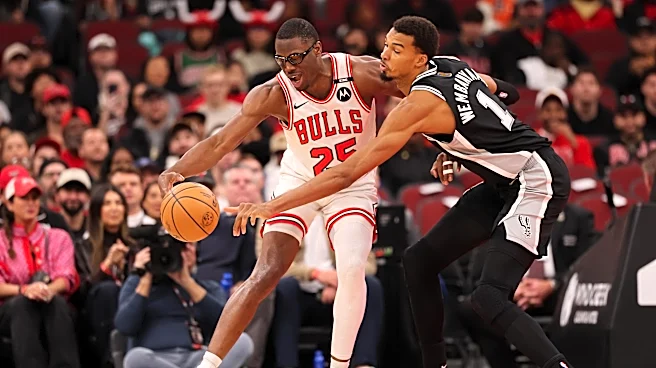
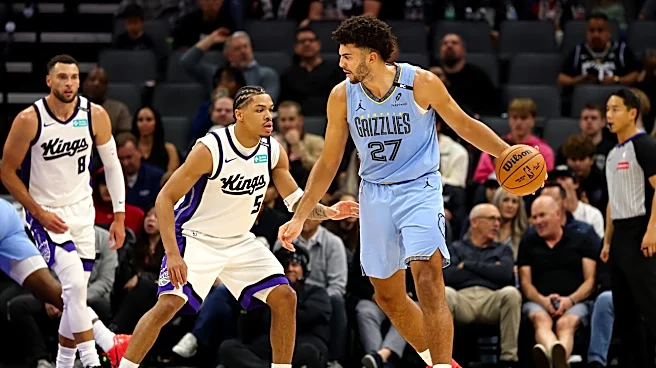
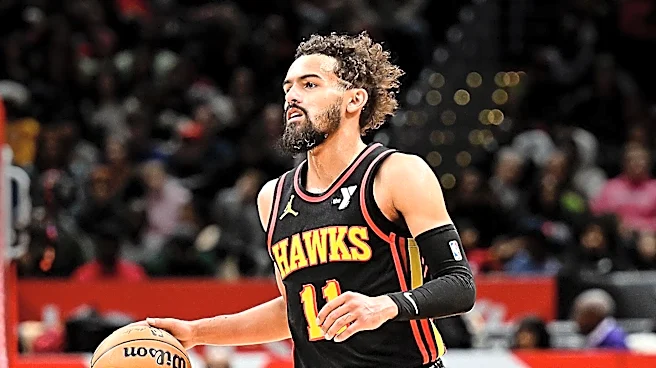
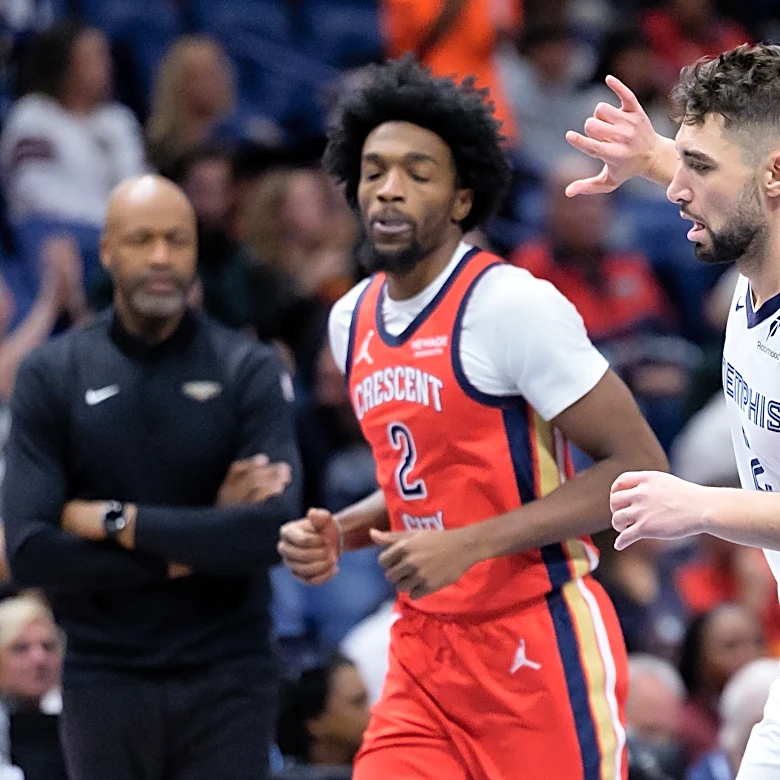
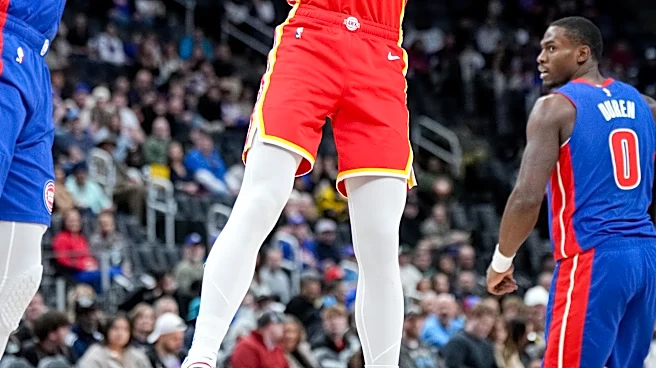
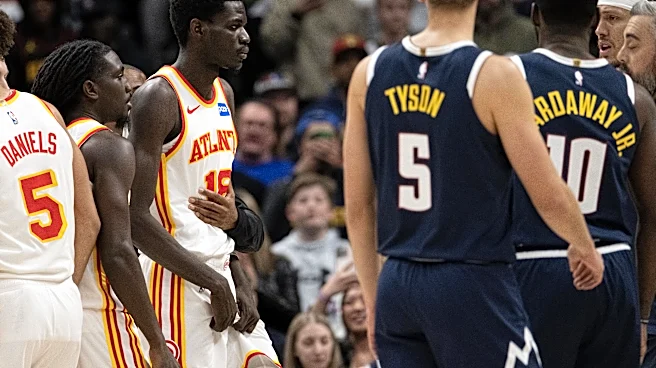
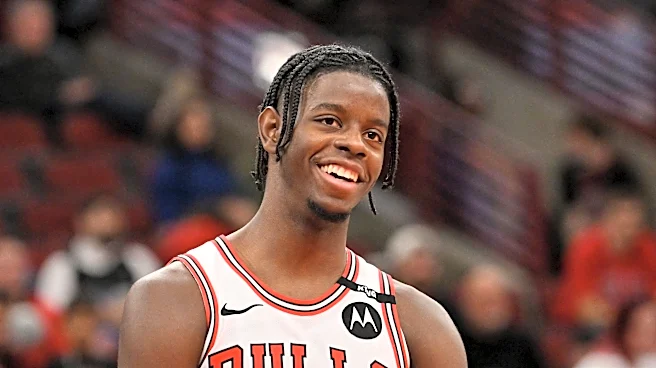
The Atlanta Hawks (7-5) are set to play the Chicago Bulls (1-9) in an NBA Cup game at the United Center. Both teams are known for their fast-paced play, ranking first and second in PACE respectively, suggesting a high-scoring affair with many transition
opportunities and early shot-clock attempts. The Hawks have demonstrated strong offensive capabilities, scoring over 120 points in three of their last four games, including a 139-point performance against the Washington Wizards. Atlanta also excels at forcing turnovers, ranking third in the league, which translates to an average of 22 points off opponent mistakes. Key players for the Hawks include Dyson Daniels, noted for his ball pressure, and Jalen Johnson, contributing with his length. The Bulls will be without star rookie Caleb Wilson, who is sidelined for at least a month due to hand surgery, while Norman Powell and Dailyn Swain are questionable. The Hawks also have several players on their injury report, including Kingston Flemings (questionable, back), Mouhamed Gueye (out, foot), Asa Newell (out, toe), and Henri Vasser (out, knee).
Why It's Important?
This matchup is significant for both teams, though for different reasons. For the Atlanta Hawks, securing a win in an NBA Cup game is crucial as point differential is a key tie-breaker in the standings, impacting their potential advancement in the tournament. Their ability to maintain offensive momentum and capitalize on turnovers will be vital against a struggling Bulls team. For the Chicago Bulls, this game represents one of their most winnable opportunities despite their poor record and key injuries. It's a chance for their other young players to step up and prove their worth in the absence of Caleb Wilson. The game will also highlight the contrasting strategies of both teams: the Hawks' aggressive defense and high-volume three-point shooting against the Bulls' struggle to find a rhythm from beyond the arc, which has been a major factor in their losses. The outcome could influence the morale and trajectory of both teams as they navigate the early part of the NBA season.
What's Next?
Following this NBA Cup game, both teams will continue their respective seasons, with the Bulls facing the Minnesota Timberwolves next. The Hawks will aim to build on their 7-5 record and solidify their position in the Eastern Conference. The performance of players like Dyson Daniels and Jalen Johnson will be closely watched as they continue to develop and contribute to the Hawks' strategy of high-pressure defense and fast-paced offense. For the Bulls, the focus will be on how they adapt to playing without Caleb Wilson and whether other players can fill the void. Their ability to improve their three-point shooting and ball-handling will be critical in future games. The results of this NBA Cup game will also have implications for the tournament standings, potentially influencing which teams advance to the later stages. Both teams will need to manage their injury situations carefully as the season progresses, especially with key players sidelined or questionable.
Beyond the Headlines
The emphasis on 'PACE' in this game highlights a broader trend in the NBA towards faster, higher-scoring basketball, where teams prioritize transition offense and early shot attempts. This style of play, while exciting for fans, places significant demands on player conditioning and defensive rotations. The Hawks' success in forcing turnovers and converting them into points underscores the growing importance of defensive intensity and disruptive playmaking in today's league. Conversely, the Bulls' struggles with three-point shooting reflect a common challenge for many teams: the need for consistent perimeter scoring in an era dominated by the three-point shot. The NBA Cup itself represents an innovative attempt by the league to introduce new competitive elements and increase engagement during the regular season, adding an extra layer of stakes to games like this one. The impact of injuries, particularly to young, promising players like Caleb Wilson, also brings to light the physical toll of the NBA season and the constant need for teams to develop depth and adaptability.