





What's Happening?
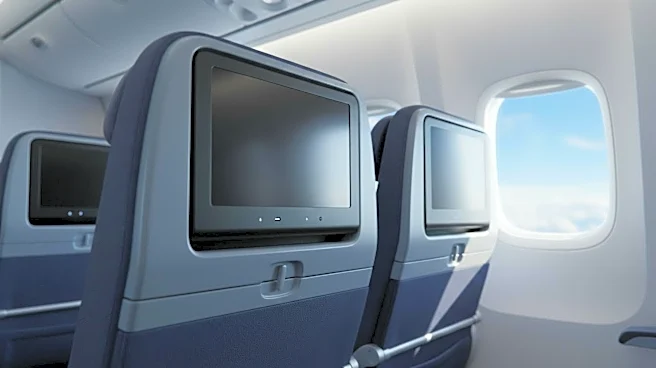
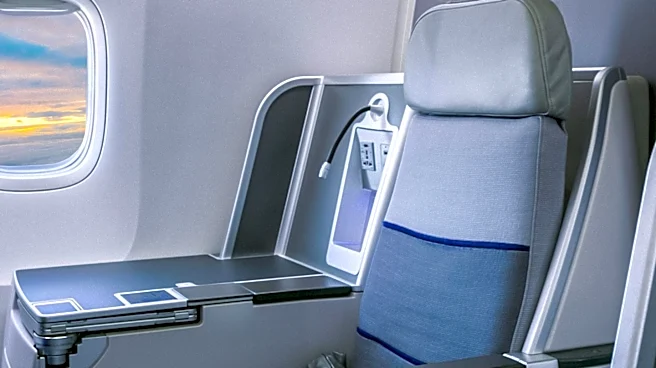
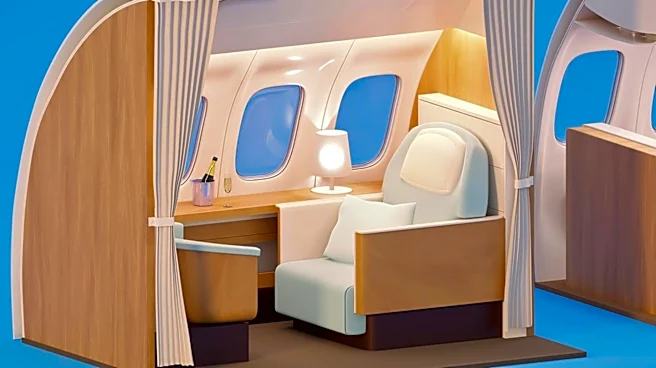
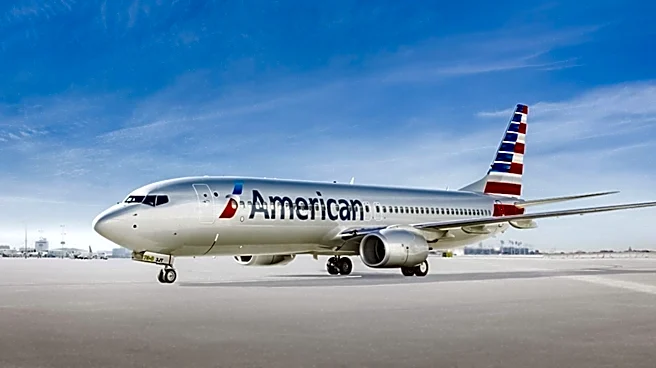
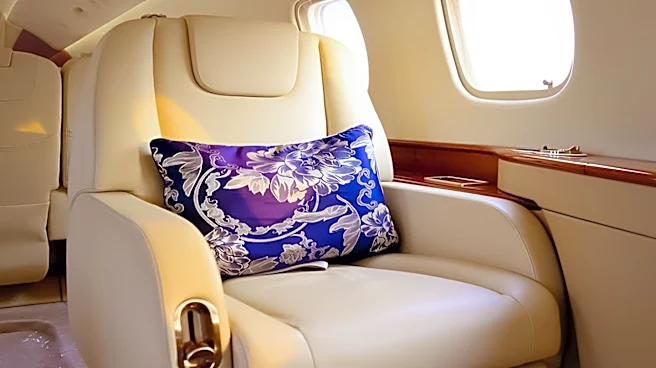
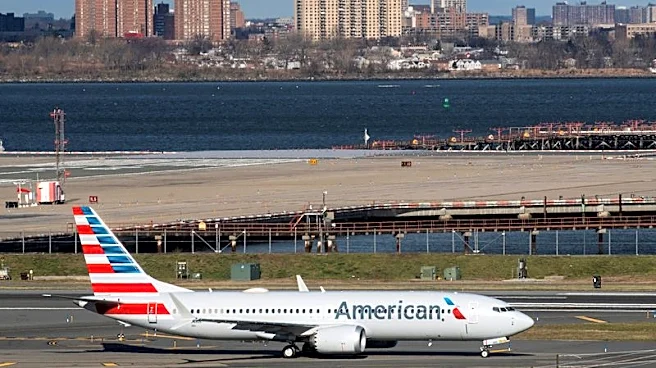
American Airlines announced plans to reconfigure its narrow-body jet fleet by adding more premium seats and installing seatback entertainment screens. This strategic move aims to increase premium seating capacity from 25% to 40% of each plane's total,
incorporating more first-class and extra-legroom options. The airline will also equip over 800 narrow-body aircraft with seatback screens, with retrofits commencing in 2028 and expected to conclude in the early 2030s. New Airbus and Boeing aircraft delivered with pre-installed screens will join the fleet starting in 2028. This initiative marks a shift from American Airlines' previous strategy, which assumed passengers would primarily use personal devices for in-flight entertainment. The company acknowledged that customer preferences have evolved, with travelers, especially younger demographics, now favoring larger seatback displays alongside personal devices and high-speed Wi-Fi for a comprehensive connected flight experience. The cost of this fleet upgrade was not disclosed by the carrier.
Why It's Important?
This significant investment by American Airlines underscores a strategic pivot to capture a larger share of high-spending travelers, a segment that currently generates nearly half of its ticketed revenue despite occupying only 30% of seats. By expanding premium offerings and enhancing in-flight amenities, American Airlines aims to narrow the profitability gap with competitors like Delta Air Lines and United Airlines. The move reflects a broader industry trend where airlines are increasingly focusing on premium services to boost revenue and improve customer satisfaction. For consumers, this means more options for comfort and entertainment on American Airlines' narrow-body flights, potentially leading to a more competitive market for premium travel experiences. The decision also highlights the evolving expectations of air travelers, particularly the demand for integrated and high-quality in-flight entertainment, which could influence future amenity standards across the airline industry.
What's Next?
American Airlines will begin the retrofitting process for its narrow-body aircraft in 2028, with the full integration of premium seating and seatback screens expected to extend into the early 2030s. Concurrently, newly delivered Airbus and Boeing aircraft equipped with these features will start entering service in 2028. This phased rollout means that travelers will gradually see these enhancements across American Airlines' fleet over the next several years. The success of this strategy will likely be measured by its impact on premium revenue growth and its ability to improve American Airlines' competitive standing against Delta and United. Other airlines may observe American's results closely, potentially influencing their own investment decisions in premium services and in-flight entertainment. The airline's CEO, Robert Isom, will be under pressure to demonstrate that this amenity-based approach can significantly advance American Airlines' performance.
Beyond the Headlines
This strategic shift by American Airlines reflects a deeper understanding of modern consumer behavior and the evolving landscape of air travel. The initial 'Project Oasis' strategy, which prioritized cabin density and smaller restrooms over seatback entertainment, proved to be misaligned with customer preferences. The current investment acknowledges that a premium travel experience extends beyond just the seat itself, encompassing connectivity and entertainment options. This move could set a new benchmark for what constitutes a 'premium' offering on narrow-body flights, potentially influencing passenger expectations across the industry. Furthermore, the emphasis on high-spending travelers highlights the increasing segmentation of the airline market, where carriers are tailoring services to specific demographic and economic groups. This could lead to a more polarized travel experience, with significant differences in amenities between economy and premium classes, and potentially impact the overall accessibility and affordability of air travel for different segments of the population.