







What's Happening?
Penticton, a city in British Columbia, Canada, has been recognized as the fifth fastest-rising travel destination globally on a new list compiled by the U.K.-based travel booking platform Skyscanner. The city saw a 137 percent increase in travel searches
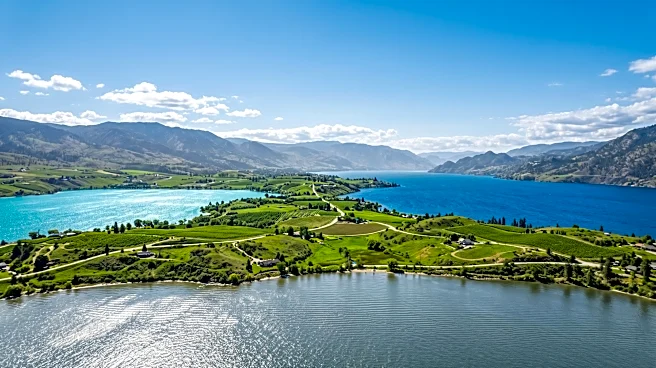
year-over-year, placing it among high-profile tourism destinations in Europe, Asia, and the Caribbean. Penticton and Tofino, also in British Columbia, were the only Canadian cities to make the top ten list. Kevin Pearce, executive director at Visit Penticton, expressed pride in the city's inclusion, highlighting its diverse offerings. Penticton is situated in the South Okanagan region, boasting 88 wineries within a 20-minute drive and was named Canada’s Craft Beer Capital by Lonely Planet in 2020. The city is uniquely located between two lakes, similar to Interlaken, Switzerland, and is known for its outdoor activities, including hundreds of kilometers of hiking, cycling, and trail-running routes, proximity to two downhill ski resorts, rock climbing, paddling, boating, and water sports. With a population of approximately 40,000, Penticton is about an hour south of Kelowna International Airport and less than 65 kilometers north of the U.S. border.
Why It's Important?
This recognition of Penticton as a top global travel destination holds significant importance for the North American tourism industry, particularly for regions bordering Canada. The increased visibility of Penticton, driven by a substantial surge in travel searches, could lead to a rise in cross-border tourism from the U.S. The city's appeal, stemming from its natural beauty, outdoor activities, and burgeoning wine and craft beer scene, aligns with growing traveler preferences for experiential and nature-based tourism. For U.S. travelers, Penticton offers an accessible international destination with diverse attractions, potentially diverting some tourism traffic from more traditional U.S. domestic destinations or encouraging combined U.S.-Canada itineraries. Local businesses in Penticton, including wineries, breweries, hotels, and outdoor recreation providers, stand to gain from increased visitor numbers and associated spending. The success of Penticton could also inspire other North American cities, especially those with similar natural and recreational assets, to enhance their tourism marketing efforts and develop unique visitor experiences to attract a global audience.
What's Next?
Following this international recognition, Penticton is likely to experience a surge in tourism interest and bookings, particularly from international markets. Local tourism boards and businesses will likely capitalize on this new ranking in their marketing campaigns to attract more visitors. There may be increased investment in tourism infrastructure, such as accommodations, transportation, and recreational facilities, to support the anticipated growth in visitor numbers. The city's proximity to the U.S. border suggests potential for targeted marketing campaigns aimed at American tourists, highlighting ease of access and unique cross-border travel opportunities. Other Canadian and U.S. cities with similar natural attractions might study Penticton's success to replicate its appeal, potentially leading to a broader trend of promoting lesser-known North American destinations on the global stage. The sustained growth in travel searches indicates a long-term shift in traveler preferences towards destinations offering a blend of outdoor adventure, culinary experiences, and scenic beauty.
Beyond the Headlines
The inclusion of Penticton on a global travel list underscores a broader shift in tourism trends, moving beyond traditional, well-established destinations towards locations offering unique, authentic, and nature-immersive experiences. This trend reflects a growing desire among travelers for 'skillcations' or immersive experiences led by local artisans, as mentioned in the broader context of trending destinations. Penticton's success highlights the economic potential of leveraging regional strengths, such as its wine industry, craft beer scene, and natural landscapes, to create a distinct tourism identity. It also brings attention to the importance of sustainable tourism development, as increased visitor numbers will necessitate careful management of natural resources and local infrastructure to preserve the very qualities that attract tourists. The recognition could also foster a sense of local pride and encourage community involvement in showcasing the region's unique offerings, potentially leading to a more robust and diversified local economy beyond traditional industries.