





What's Happening?
The unveiling of a stadium plan backed by Rams owner Stan Kroenke in Inglewood on January 5, 2015, significantly accelerated the San Diego Chargers' timeline for relocation. According to Mark Fabiani, the Chargers' former stadium adviser, Kroenke's announcement
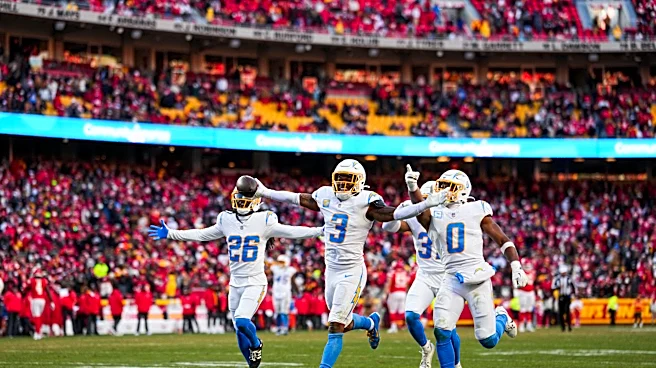
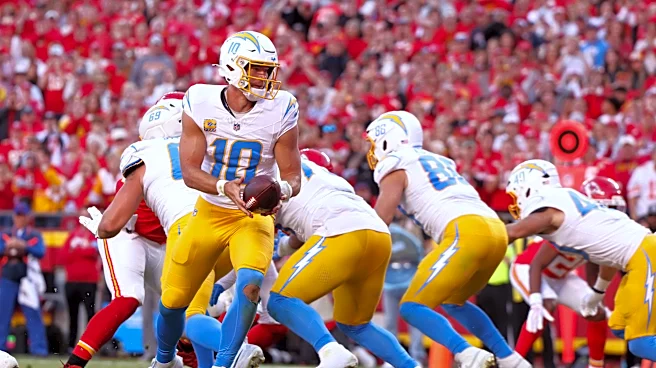
transformed Los Angeles from mere negotiating leverage into a direct threat. Fabiani noted that 25% of Chargers season-ticket holders at the time resided in Los Angeles, Orange counties, and the Inland Empire. The prospect of competing NFL teams in Los Angeles, particularly with Kroenke advancing a stadium project, raised fears that the Chargers' business in that crucial market would erode if they remained in Qualcomm Stadium. This development made delaying a decision on relocation untenable for the Chargers, as it threatened their most valuable alternative if negotiations in San Diego failed. Despite efforts by San Diego officials, including the appointment of the Citizens’ Stadium Advisory Group (CSAG) and a final push with Measure C, a downtown stadium proposal, the Chargers ultimately moved to Los Angeles on January 12, 2017, after Measure C failed to secure the required two-thirds vote.
Why It's Important?
Stan Kroenke's stadium initiative in Inglewood played a pivotal role in the San Diego Chargers' decision to relocate to Los Angeles, illustrating the intense competition and strategic maneuvering within the NFL for lucrative markets. The Chargers' reliance on the Los Angeles market for a significant portion of their season ticket base meant that Kroenke's move directly threatened their financial viability and future options. This situation highlights how the actions of one team owner can profoundly impact the decisions of others, particularly when it involves market share and potential relocation. The Chargers' departure had significant economic and cultural consequences for San Diego, losing a long-standing professional sports franchise and the associated revenue and community identity. For the NFL, this event underscored the power dynamics among owners and the league's influence over team locations, often driven by stadium deals and market potential. The episode also reflects the complex interplay between team ownership, municipal governments, and fan bases in the high-stakes world of professional sports.
What's Next?
While the Chargers' relocation to Los Angeles is a past event, the implications of Stan Kroenke's influence on that decision continue to resonate. The success of the Rams' stadium in Inglewood has solidified Los Angeles as a dual-NFL market, impacting future expansion or relocation considerations for other teams. For San Diego, the absence of the Chargers has led to ongoing discussions about the city's sports landscape and potential future NFL opportunities, though none are currently on the horizon. The former Qualcomm Stadium site has undergone redevelopment, transforming the area. The Chargers' move also serves as a cautionary tale for other cities negotiating with professional sports franchises, emphasizing the need for robust and timely stadium solutions to retain teams. The competitive dynamics among NFL owners for prime markets remain a constant, with future developments in stadium financing and urban development continuing to shape the league's footprint.
Beyond the Headlines
The Chargers' departure from San Diego, significantly influenced by Stan Kroenke's Inglewood stadium project, reveals deeper implications regarding the economic pressures and strategic calculations that drive professional sports franchises. It underscores the reality that team loyalty to a city can be superseded by financial opportunities and market access. The narrative also highlights the challenges faced by cities in funding and approving new stadium projects, often balancing public investment with private interests. The competition for the Los Angeles market, a major media and economic hub, exemplifies the premium placed on large urban centers by sports leagues. This event also raises questions about the long-term impact of franchise relocation on fan bases and community identity, as cities grapple with the loss of a cultural institution. The Chargers' move, catalyzed by Kroenke's actions, serves as a stark reminder of the business-first approach that often dictates decisions in professional sports, sometimes at the expense of long-standing community ties.