
What's Happening?
Specific stretching exercises are being recommended for elderly individuals to enhance flexibility and mobility, addressing the natural physical changes that occur with aging. These routines are designed
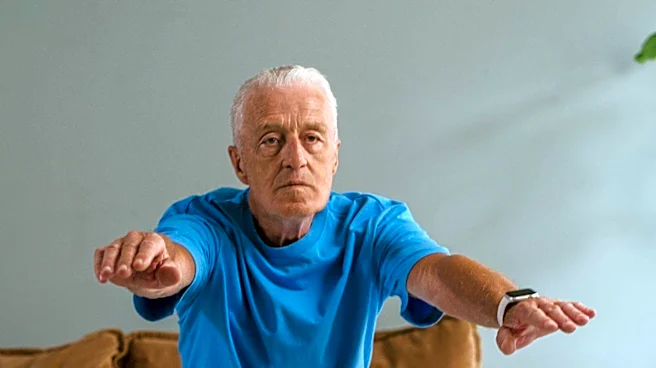
to be gentle yet effective, focusing on key areas such as the calves, quadriceps, and hips. For instance, the Soleus Stretch targets deep calf muscles, improving lower body flexibility and overall leg function. The Standing Quadriceps Stretch supports flexibility and mobility in the elderly without causing excessive strain, while the Seated Knee to Chest exercise improves mobility in the knees and hips, as well as lower back flexibility, and is suitable for those who have difficulty standing. These exercises emphasize warming up before stretching and taking a slow, gradual approach to increase flexibility over time. The goal is to mitigate the impact of aging on the body by strengthening joints and muscles, thereby helping older adults maintain an active and healthy lifestyle.
Why It's Important?
Maintaining mobility and flexibility is crucial for the elderly population in the U.S., directly impacting their quality of life and independence. As the U.S. population ages, the prevalence of age-related physical limitations is expected to rise, making preventative and maintenance strategies like targeted stretching routines increasingly important. Improved mobility can reduce the risk of falls, a leading cause of injury and mortality among older adults, and can also decrease reliance on healthcare services for age-related physical ailments. Economically, a more mobile and independent elderly population can lead to lower healthcare costs and a reduced burden on caregivers. Socially, these routines enable older adults to remain engaged in daily activities and community life, fostering mental well-being and combating social isolation. The emphasis on gentle, accessible exercises ensures that a wide range of elderly individuals, including those with pre-existing conditions, can participate safely and effectively, promoting a healthier and more active aging process across the nation.
What's Next?
The continued promotion and integration of these tailored stretching routines into senior wellness programs, community centers, and home-based care initiatives are anticipated. Healthcare providers and physical therapists may increasingly recommend these specific exercises as part of comprehensive care plans for older adults. Educational campaigns could be launched to inform the elderly and their caregivers about the benefits and proper execution of these stretches. Furthermore, research may focus on developing more personalized stretching regimens based on individual health profiles and mobility levels, potentially incorporating technology to monitor progress and ensure adherence. The development of accessible instructional materials, such as videos and illustrated guides, will also be crucial to facilitate widespread adoption. As awareness grows, there may be an increased demand for fitness professionals specializing in geriatric exercise, leading to new training and certification programs within the fitness industry.
Beyond the Headlines
Beyond the immediate physical benefits, the widespread adoption of these stretching routines for the elderly could foster a broader cultural shift in how aging is perceived and managed in the U.S. It highlights a proactive approach to health, emphasizing maintenance and prevention rather than solely reactive treatment. This shift could empower older adults to take a more active role in their own health management, promoting a sense of agency and self-efficacy. Ethically, ensuring equitable access to information and resources for these routines, particularly for underserved communities, will be vital to prevent exacerbating existing health disparities. The focus on gentle, non-straining exercises also underscores a more inclusive approach to fitness, recognizing that physical activity can and should be adapted to suit diverse needs and capabilities. This could lead to a re-evaluation of fitness norms, promoting a more holistic understanding of well-being that values flexibility and mobility as much as strength and endurance, particularly in later life.