




What's Happening?
Skinimalism is an emerging beauty trend that prioritizes simplicity and a deeper understanding of individual skin needs over the quantity of products used. This approach advocates for a streamlined skincare routine, focusing on fewer, highly effective
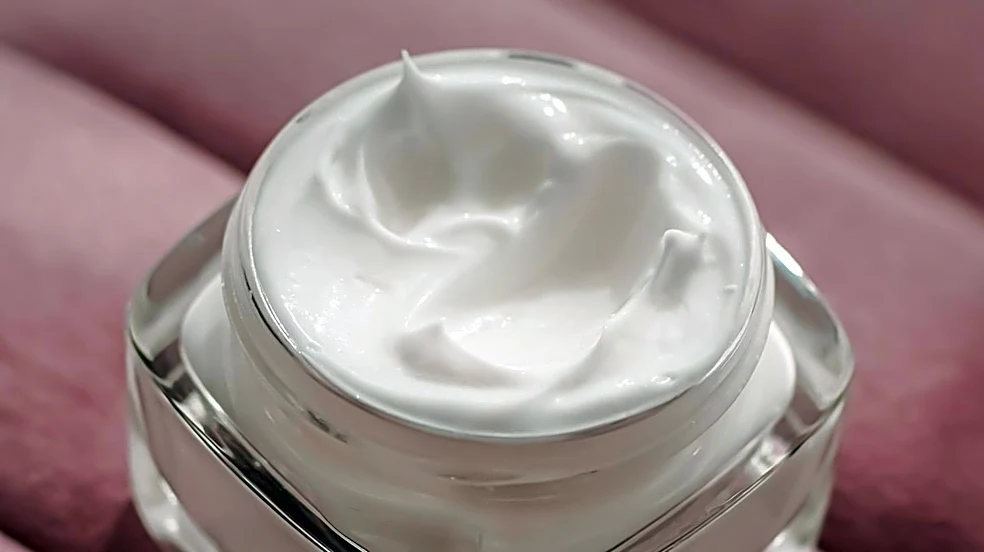
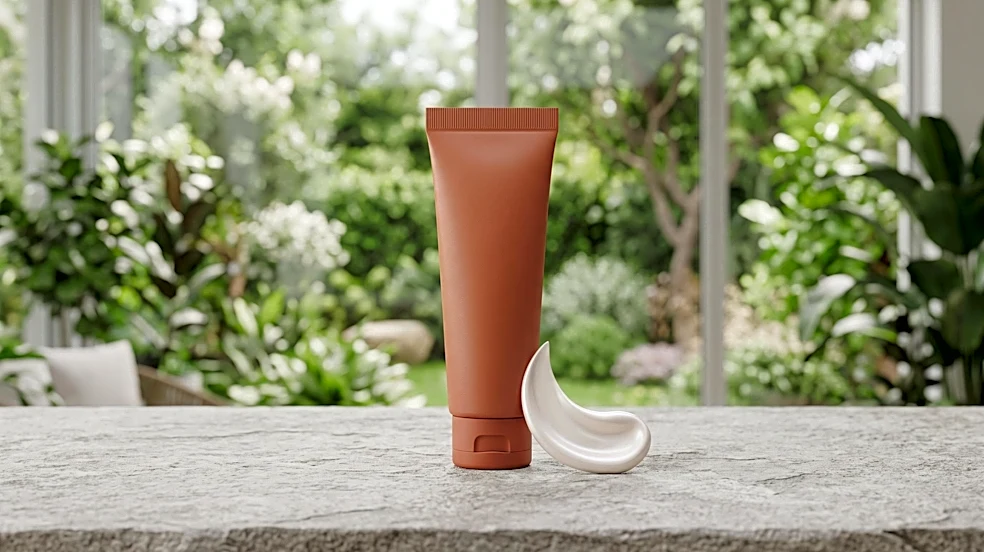
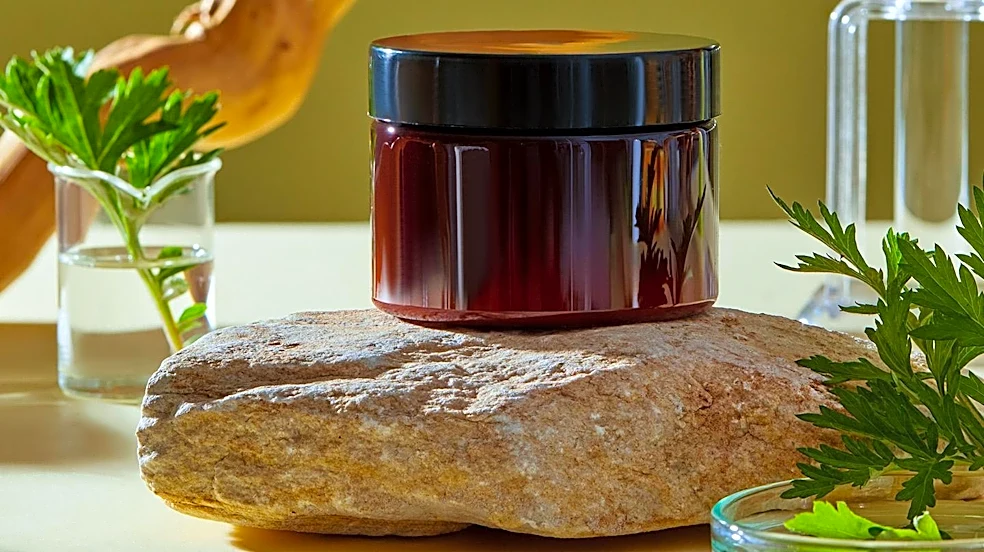
products that directly address specific skin concerns. Instead of layering numerous formulas without clear purpose, skinimalism encourages the use of essential items such as a gentle cleanser, a suitable moisturizer, sun protection, and targeted treatments. The trend reflects a broader shift in the beauty industry towards personalized care and away from the pressure to follow every new product or elaborate routine. It emphasizes active ingredients and formulations that genuinely benefit the skin, aiming to reduce complexity and potential irritation from overlapping treatments. This movement is gaining traction as consumers seek more efficient and less complicated ways to maintain skin health, aligning with a desire for natural appearance and texture.
Why It's Important?
The rise of skinimalism signifies a notable shift in consumer behavior within the U.S. beauty market, impacting product development, marketing strategies, and retail approaches. For consumers, it offers a more sustainable and cost-effective way to manage skincare, potentially reducing product waste and financial outlay on unnecessary items. This trend encourages a more informed approach to beauty, where individuals are empowered to select products based on their specific skin requirements rather than marketing hype. For beauty brands, this means a greater emphasis on product efficacy, transparency in ingredients, and the development of multi-functional formulas. Companies that can deliver high-performing, targeted solutions with clear benefits are likely to gain market share. The trend also supports the growing demand for clean beauty and sustainable practices, as consumers increasingly prefer brands that align with their values of environmental responsibility and minimalist consumption.
What's Next?
Looking ahead, the skinimalism trend is expected to continue influencing the beauty industry, leading to further innovation in product formulation and consumer education. Brands will likely invest more in research and development to create potent, multi-tasking products that deliver visible results with fewer steps. We may see an increase in personalized skincare consultations and diagnostic tools that help consumers identify their precise skin needs, guiding them towards a minimalist yet effective routine. Retailers might adapt by curating selections of essential, high-performance products and offering more educational content to help consumers navigate their choices. The emphasis on understanding active ingredients will also grow, prompting brands to be more transparent about their formulations. This shift could also foster a greater appreciation for the skin's natural appearance, potentially influencing makeup trends towards lighter coverage and enhancing natural features.
Beyond the Headlines
Beyond its immediate impact on product choices, skinimalism reflects deeper cultural shifts towards conscious consumption and authenticity. In a society often overwhelmed by choice and external pressures, this trend offers a refreshing counter-narrative, promoting self-acceptance and a more mindful approach to self-care. It challenges the long-standing beauty industry narrative that more products equate to better results, instead advocating for quality over quantity. This could have broader implications for how beauty is perceived, moving away from aspirational perfection towards realistic skin health and well-being. Ethically, it encourages brands to prioritize genuine efficacy and sustainability, potentially reducing the environmental footprint of the beauty industry through less packaging and fewer superfluous products. This movement also aligns with a growing desire for simplicity in various aspects of life, suggesting a broader cultural inclination towards decluttering and focusing on what truly adds value.