




What's Happening?
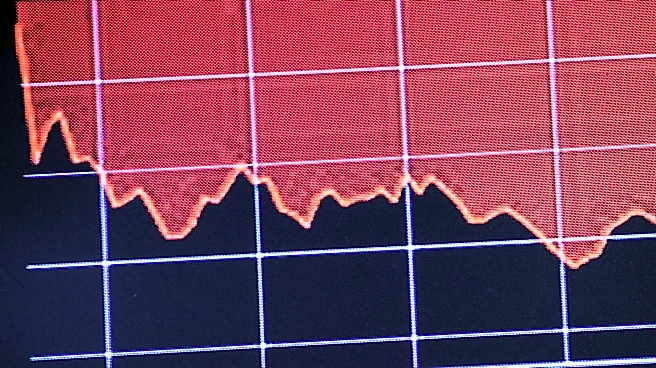
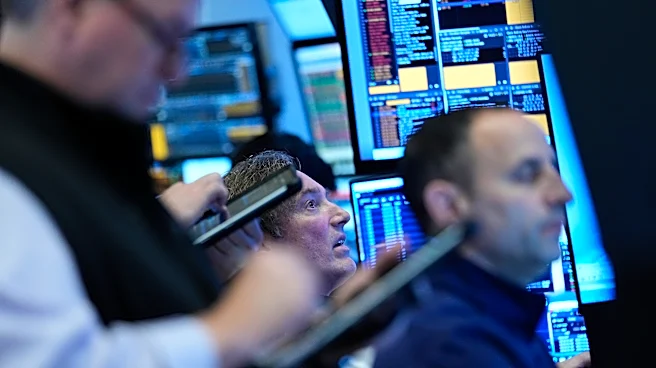
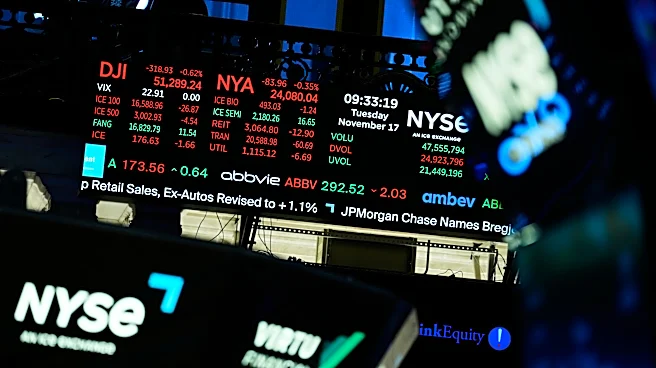
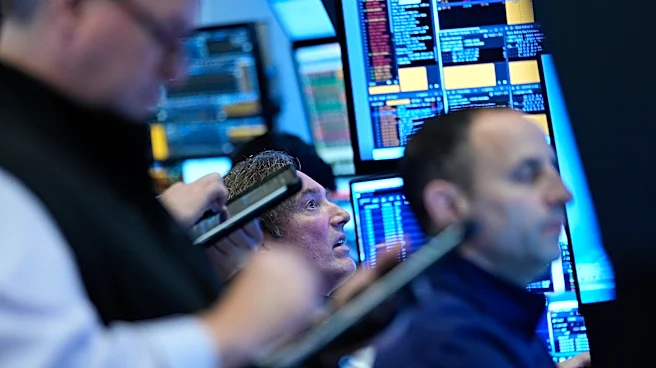
The S&P 500 and the Dow Jones Industrial Average both entered correction territory on Friday, indicating a decline of more than 10% from their recent peak values. This market shift is primarily driven by increasing investor apprehension surrounding artificial
intelligence (AI) companies. Concerns include regulatory scrutiny and reports of significant losses within the AI sector. The market's reaction reflects a re-evaluation of the rapid growth seen in AI stocks, leading to a broad sell-off. This development marks a notable period of volatility in the U.S. stock market, impacting various sectors but particularly those heavily invested in AI technologies.
Why It's Important?
The entry of major indices like the S&P 500 and Dow Jones into correction territory signals a significant shift in market sentiment, moving from bullish optimism to a more cautious outlook. This change is particularly impactful for the technology sector, especially companies focused on artificial intelligence. Investor fears regarding regulatory oversight and reported losses in AI firms could lead to reduced investment in the sector, potentially slowing innovation and growth. For the broader U.S. economy, a prolonged correction could affect consumer confidence and corporate spending. Companies that rely heavily on AI technologies or are part of the AI supply chain may face increased pressure to demonstrate profitability and navigate a more stringent regulatory environment. This situation highlights the inherent risks associated with rapidly expanding technological sectors and the importance of sustainable business models.
What's Next?
In the immediate future, market participants will be closely monitoring regulatory developments concerning AI companies and any further financial disclosures that could impact investor confidence. The performance of AI-related stocks will continue to be a key indicator of market sentiment. Investors may adopt a more defensive strategy, shifting towards less volatile assets until there is greater clarity on the regulatory landscape and the financial health of AI firms. This period of uncertainty could also prompt a re-evaluation of investment portfolios, with a potential reallocation of capital away from high-growth, high-risk AI ventures towards more established and stable industries. The Federal Reserve's stance on monetary policy, particularly any indications regarding interest rate adjustments, will also be crucial in shaping the market's trajectory.
Beyond the Headlines
The current market correction, specifically its link to AI stocks, underscores a deeper societal and economic debate about the rapid advancement and integration of artificial intelligence. Beyond immediate financial implications, the 'investor fears' mentioned could reflect broader concerns about the ethical implications of AI, its potential for disruption, and the need for robust governance. This period might catalyze a more critical examination of AI's real-world applications and profitability, moving beyond speculative valuations. It could also accelerate discussions among policymakers about how to regulate AI effectively without stifling innovation, balancing economic growth with societal safeguards. The long-term impact could be a more mature and regulated AI industry, where transparency and accountability become as important as technological breakthroughs.