




What's Happening?
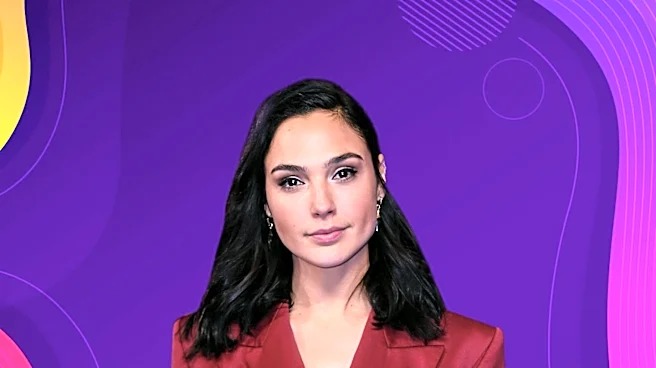
Actress Gal Gadot, known for her role as Wonder Woman, has announced her intention to return to Israel with her husband, businessman Jaron Varsano, and their four daughters after living in the United States for nearly 12 years. Gadot made these remarks
during an appearance on the satirical television program 'Eretz Nehederet' on Channel 12, following her return to Israel to cast her ballot in the October 27 parliamentary elections. She discussed the challenges of being an Israeli and Jewish woman in Hollywood, citing rising antisemitism and hostility towards Israel. Gadot mentioned sometimes wearing a face mask in public to avoid drawing attention and highlighted the differing perceptions of events between the United States and Israel. She also spoke about her efforts to provide Americans with additional context regarding developments in the region. Earlier, Gadot received an honorary doctorate from Bar-Ilan University, where she spoke about mutual responsibility and social solidarity.
Why It's Important?
Gal Gadot's decision to return to Israel underscores the growing concerns among some Israelis living abroad regarding rising antisemitism and perceived hostility towards Israel in other countries, including the United States. Her public statements highlight a broader sentiment among individuals who feel a disconnect between how events in the region are portrayed internationally versus how they are experienced locally. This move could influence public discourse on the experiences of Israelis and Jewish individuals in the diaspora, potentially encouraging more open dialogue about antisemitism and the complexities of the Israeli-Palestinian conflict. For the entertainment industry, it reflects how global political and social climates can impact the personal and professional lives of prominent figures, potentially leading to shifts in where talent chooses to reside and work. Her efforts to provide context to Americans also suggest a desire to bridge understanding gaps, which could have a subtle but significant impact on public opinion.
What's Next?
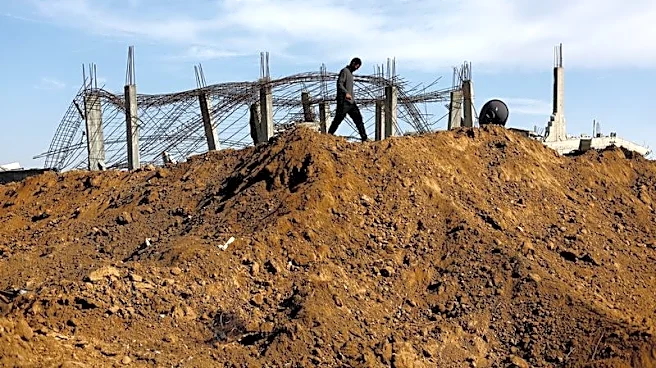
Gadot and her family are in the process of building a house in Israel, indicating a concrete plan for their relocation. Her public statements and actions, such as voting in the Israeli elections and speaking on national television, suggest she will continue to be an active voice in discussions concerning Israel and its international perception. Her return could inspire other Israeli expatriates to consider similar moves or to become more vocal about their experiences abroad. The ongoing dialogue about antisemitism and the portrayal of Israel in international media is likely to continue, with Gadot's perspective adding to the conversation. Her presence in Israel may also lead to increased involvement in local cultural or social initiatives, further solidifying her connection to the country beyond her acting career.
Beyond the Headlines
Gadot's experience highlights the profound impact of geopolitical events and social climates on individual identity and belonging, particularly for public figures. Her comments about the difficulty of being an Israeli abroad and the need to wear a mask to avoid attention reveal a deeper societal tension where national identity can become a source of vulnerability. This situation touches upon the ethical considerations of public discourse and media representation, as Gadot noted the disparity between how events are viewed in the U.S. versus Israel. Her decision to return to Israel, despite her successful career in Hollywood, could symbolize a broader trend of individuals seeking environments where they feel more understood and secure in their identity. It also raises questions about the role of celebrities in international relations and their capacity to influence public perception through personal narratives and actions.