





What's Happening?
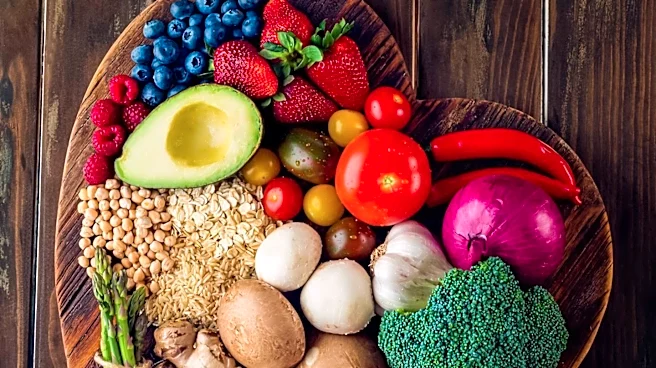
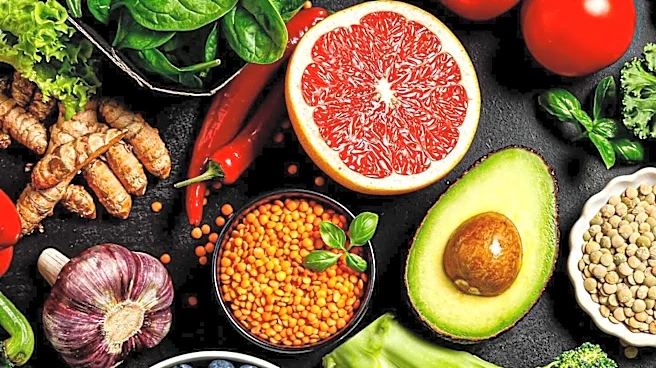
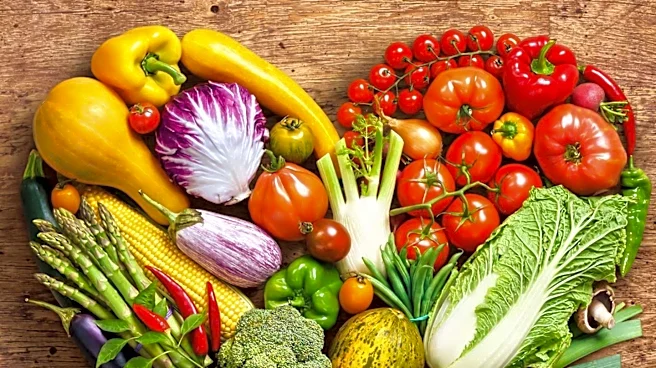
An anti-inflammatory diet focuses on consuming foods that help reduce chronic, low-grade inflammation within the body. This dietary approach prioritizes colorful produce, fiber-rich whole grains, healthy fats, and anti-inflammatory herbs and spices. Conversely,
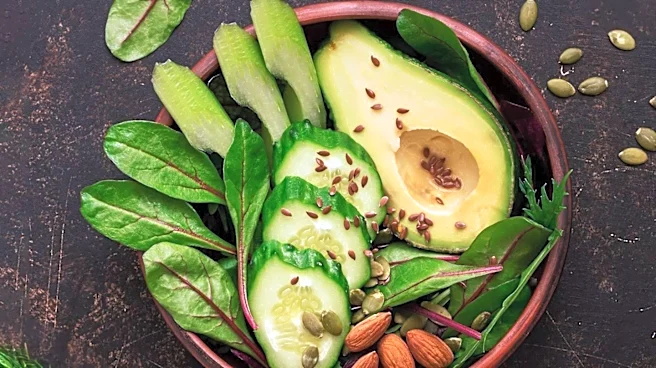
it limits the intake of refined sugar, processed meats, and fried foods. The Mediterranean diet is frequently cited as a prime example of an anti-inflammatory eating pattern, characterized by its abundance of plant-based foods and whole ingredients. Key components of such a diet include high fiber content, low levels of refined sugar, and high-quality fats, particularly omega-3s found in fish and plant-based fats like olive oil. Certain beverages, such as green tea, ginger tea, and tart cherry juice, are also recognized for their potential to support anti-inflammatory efforts. While no single food or drink can entirely eliminate inflammation, these choices contribute to a broader dietary pattern that is rich in fruits, vegetables, legumes, whole grains, nuts, seeds, and healthy fats, all working together to promote better health.
Why It's Important?
The emphasis on anti-inflammatory diets is crucial due to the widespread impact of chronic, low-grade inflammation on public health. This type of inflammation is associated with an increased risk of various chronic conditions, including metabolic disease and cardiovascular disease. By adopting an anti-inflammatory diet, individuals can potentially mitigate these risks and improve overall well-being. The shift away from ultra-processed foods, sugary drinks, and refined carbohydrates, which are often linked to inflammatory responses, can lead to better metabolic health and immune system regulation. This dietary strategy empowers individuals to make informed choices that support their body's natural healing processes and reduce the burden of inflammation-related illnesses, thereby contributing to a healthier society and potentially reducing healthcare costs associated with chronic diseases.
What's Next?
The continued promotion and adoption of anti-inflammatory dietary principles are expected to gain further traction in public health recommendations. As research continues to highlight the link between diet and chronic inflammation, there will likely be an increased focus on integrating these eating patterns into preventative healthcare strategies. This could involve more widespread educational campaigns from health organizations, dietary guidelines emphasizing whole, unprocessed foods, and potentially even policy changes aimed at reducing the availability or consumption of pro-inflammatory ingredients in food products. Individuals are encouraged to consult with healthcare professionals or registered dietitians to tailor an anti-inflammatory diet to their specific needs and health goals, ensuring a personalized and effective approach to managing inflammation through nutrition.
Beyond the Headlines
Beyond the immediate health benefits, the growing understanding of anti-inflammatory diets underscores a broader shift in how society views food and health. It highlights the ethical implications of food production and consumption, encouraging a move towards more sustainable and nutrient-dense food systems. The focus on whole, unprocessed foods also challenges the dominance of the processed food industry, prompting consumers to consider the long-term health consequences of their dietary choices. This movement could foster a greater appreciation for traditional eating patterns, such as the Mediterranean diet, and encourage a more holistic approach to wellness that integrates diet with other lifestyle factors like exercise and sleep, recognizing that the body's systems are interconnected and influence each other profoundly.