





What's Happening?
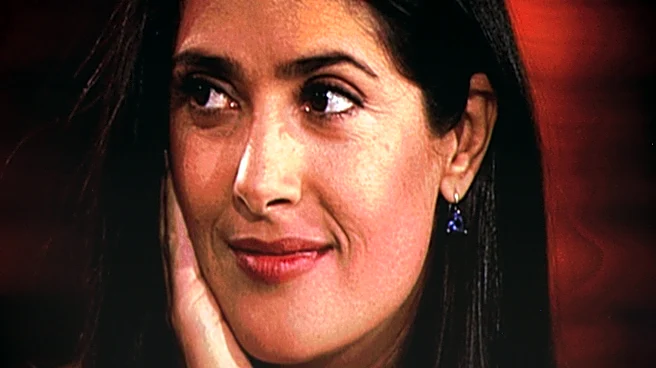
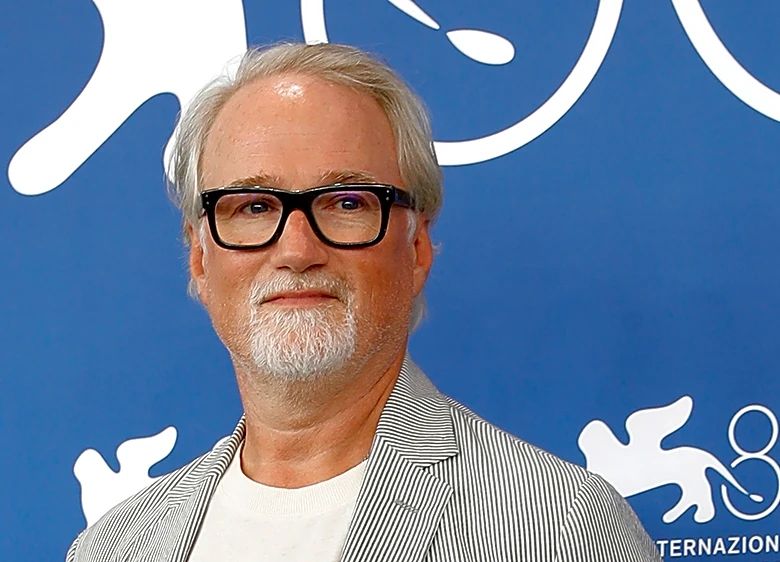
Writer Mike White and director Miguel Arteta are being recognized for crafting the 2017 indie comedy-drama 'Beatriz at Dinner' specifically for Salma Hayek, ending her 15-year absence from leading roles. Hayek, an Oscar-nominated actress for her 2002
film 'Frida,' had not starred in a lead role since, despite the commercial and critical success of 'Frida.' She expressed that White and Arteta's initiative made her feel 'acknowledged' and described the experience as 'nirvana.' Hayek's career post-'Frida' largely consisted of supporting roles in comedies and less prestigious films. She attributes her struggle to secure lead roles to Hollywood's reluctance to cast Mexican actresses in prominent positions and a broader issue of sexism within the industry, where the value of female stars and the Latino market were often overlooked.
Why It's Important?
This development highlights persistent issues within the U.S. film industry concerning diversity and gender equality. Salma Hayek's experience underscores the challenges faced by actresses of color, even those with Oscar nominations, in securing leading roles. Her account sheds light on the systemic biases that can limit career progression based on ethnicity and gender, rather than talent or box office success. The fact that it took 15 years and the specific intervention of Mike White and Miguel Arteta to create a role for her suggests a broader industry-wide problem where opportunities are not equitably distributed. This situation impacts not only individual careers but also the representation of diverse voices and stories in mainstream cinema, potentially influencing audience perceptions and cultural narratives.
What's Next?
The recognition of Mike White and Miguel Arteta's role in Hayek's career resurgence could encourage other filmmakers and studios to actively seek out and create opportunities for underrepresented talent. Hayek's public statements about her past struggles may also fuel ongoing conversations and initiatives within Hollywood aimed at promoting greater inclusivity and addressing systemic biases. While 'Beatriz at Dinner' provided a significant moment for Hayek, the long-term impact will depend on whether this leads to a sustained shift in casting practices and a more equitable landscape for diverse actors in the U.S. film industry. Continued advocacy from actors and industry professionals will be crucial in driving further change.
Beyond the Headlines
Hayek's narrative extends beyond individual career challenges, touching upon deeper societal issues of representation and systemic discrimination. Her experience with Harvey Weinstein, which she described as 'traumatic and soul-destroying,' further illustrates the multifaceted obstacles women face in the entertainment industry, including sexual harassment and professional undermining. The broader implication is that even significant artistic achievements and commercial success do not guarantee fair treatment or equal opportunities for women and minorities in Hollywood. This situation prompts a critical examination of how power structures within the industry perpetuate inequalities and how the contributions of women and people of color are often undervalued or attributed to male counterparts, impacting their visibility and influence.