





What's Happening?
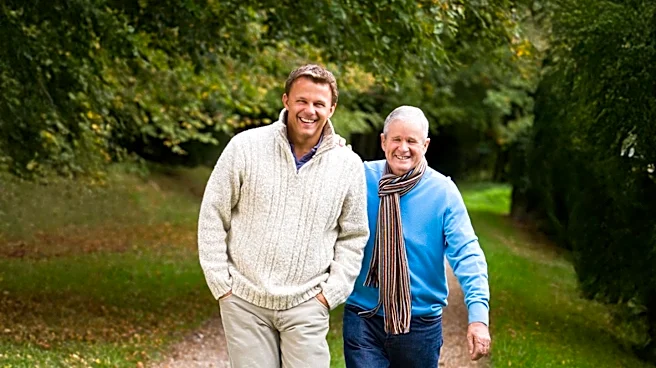
Generation X, individuals born between 1965 and 1980, are being labeled as the 'worst grandparents' by social media users, primarily Millennials. This criticism stems from the perception that Gen X grandparents are less involved in childcare and babysitting
roles compared to previous generations. Social media discussions highlight a discrepancy in expectations, with younger generations anticipating more hands-on involvement from their Gen X parents in raising grandchildren. Gen Xers, in response, are articulating their reasons for this perceived detachment, often citing their own experiences of early independence and limited parental involvement during their childhoods. They emphasize a desire to avoid being solely seen as caregivers and to enjoy a different kind of freedom in their later years, distinct from the responsibilities they bore at a young age. The debate underscores differing generational perspectives on family roles and responsibilities.
Why It's Important?
This social media discourse reflects a broader societal shift in generational roles and expectations within families in the U.S. The 'worst grandparents' label, while originating online, highlights evolving family dynamics and the potential for intergenerational misunderstandings. For Gen X, it underscores a desire to redefine grandparenting, moving away from the traditional role of constant childcare providers towards a more supportive, yet independent, presence. This shift can impact younger generations who may rely on grandparents for childcare support, potentially leading to increased financial or logistical burdens for Millennial parents. The conversation also brings to light the unique upbringing of Gen X, characterized by early independence and exposure to significant societal challenges, which has shaped their approach to family life and personal boundaries. Understanding these generational differences is crucial for fostering healthier family relationships and managing expectations across age groups.
What's Next?
The ongoing social media conversation is likely to continue, prompting further discussions and reflections on generational roles within families. As more Gen X individuals become grandparents, their approach to this role will continue to be observed and debated by younger generations. This could lead to a re-evaluation of societal expectations for grandparents and potentially influence how families structure their support systems. The dialogue may also encourage more open communication between generations about their needs and boundaries, fostering a better understanding of differing perspectives on family involvement. Ultimately, the evolving nature of family structures and the increasing longevity of individuals mean that the role of grandparents will continue to adapt, and these online discussions serve as an early indicator of these shifts.
Beyond the Headlines
The 'worst grandparents' narrative touches upon deeper societal implications regarding the changing nature of family and individual autonomy. Gen X's pushback against being solely defined by their grandparenting role reflects a broader cultural emphasis on personal fulfillment and the pursuit of individual interests, even in later life. This contrasts with more traditional views where older generations were often expected to prioritize family caregiving. The discussion also subtly highlights the economic pressures faced by previous generations, which often necessitated early independence for Gen X, and how these experiences continue to shape their life choices. Furthermore, the online nature of this debate underscores the power of social media in shaping public perception and facilitating intergenerational dialogue, albeit sometimes contentiously. It prompts a re-examination of what it means to be a 'good' grandparent in contemporary society and how these roles are negotiated within modern family units.