






What's Happening?
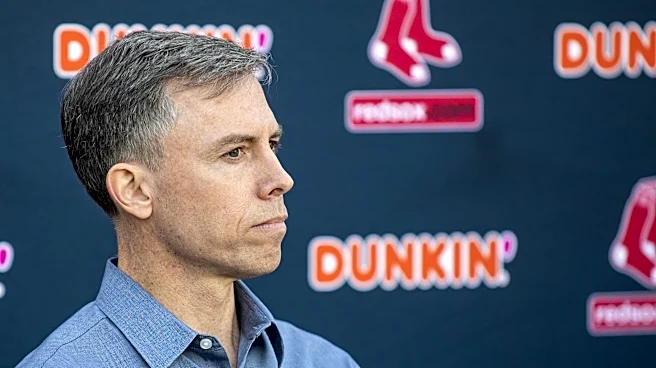
Boston Red Sox Chief Baseball Officer (CBO) Craig Breslow has indicated that the organization will undertake a comprehensive review of its medical processes. This decision comes after a 2026 season plagued by significant player injuries and what the organization acknowledges
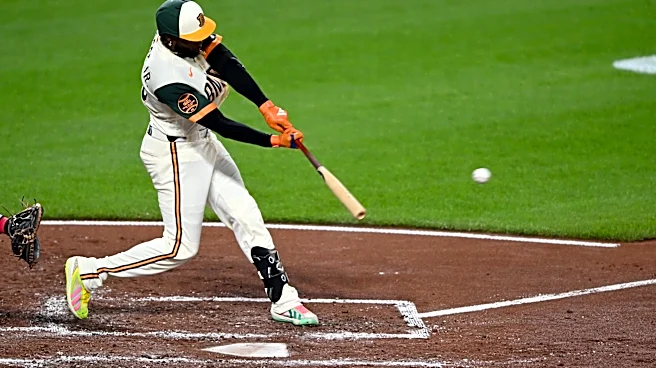
as misdiagnoses or communication issues regarding player health. Star outfielder Roman Anthony, for instance, was initially expected to be day-to-day with a wrist injury but was sidelined for over 100 games, missing postseason play. Similarly, ace Garrett Crochet experienced multiple setbacks, keeping him out for an extended period, and reliever Garrett Whitlock was found to have been pitching on a fractured tibia, an injury only diagnosed after recurring leg pain prompted further imaging. Breslow stated the review aims to assess whether the issues lie in diagnosis, rehabilitation, or communication with players, staff, and the media.
Why It's Important?
This internal review by the Red Sox highlights a critical issue within professional sports organizations: the accurate diagnosis and management of player injuries. For the Red Sox, the missteps in 2026 significantly impacted their season, as key players like Roman Anthony and Garrett Crochet were unavailable for extended periods, potentially altering the team's performance and playoff prospects. The lack of clear communication surrounding these injuries also eroded trust among fans and potentially within the team itself. A more robust and transparent medical process could lead to better player health outcomes, improved team performance, and enhanced fan confidence. Conversely, a failure to address these issues could result in continued player health problems, financial losses due to sidelined star players, and a damaged organizational reputation.
What's Next?
CBO Craig Breslow has committed to a 'sweeping look' at the Red Sox's medical processes to ensure the best possible diagnosis of injuries. While specific timelines or actions for the review have not been detailed, the organization will likely be evaluating its medical staff, diagnostic protocols, rehabilitation programs, and internal and external communication strategies. The goal is to implement changes that prevent a recurrence of the 2026 season's injury-related challenges. The outcomes of this review could lead to personnel changes, investments in new medical technologies, or revised communication policies. The effectiveness of these changes will be closely watched by fans, players, and the broader baseball community as the Red Sox prepare for future seasons.
Beyond the Headlines
The Red Sox's situation with player injuries and medical misdiagnoses extends beyond just one team; it reflects a broader challenge in professional sports where the pressure to perform often intersects with player well-being. The ethical implications of misdiagnosing injuries or pushing players to return prematurely are significant, potentially leading to long-term health consequences for athletes. This incident could prompt other sports organizations to scrutinize their own medical practices and communication protocols. Furthermore, it underscores the growing importance of sports medicine and the need for continuous advancements in diagnostic tools and rehabilitation techniques to protect athletes' careers and ensure fair competition. The Red Sox's public acknowledgment and commitment to change could set a precedent for greater accountability in sports health management.