

What's Happening?
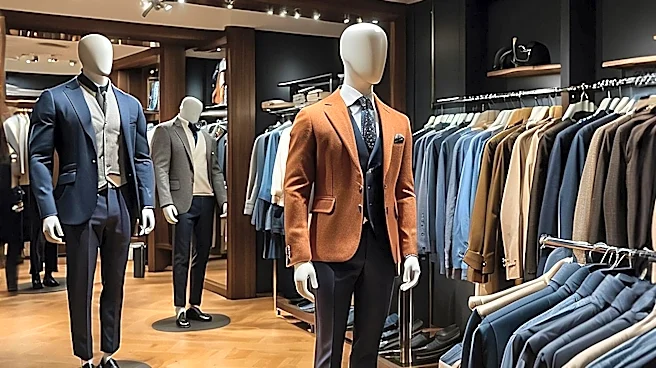
The fashion industry is experiencing a notable resurgence in classic tailoring and formalwear, moving away from overly narrow or structured silhouettes. Style experts and designers are observing a shift towards softer shoulders, more natural sizing, and an increased
emphasis on proper fit. This trend is evident in men's formalwear, with a growing interest in double-breasted jackets and wider-leg trousers, which offer more volume and movement compared to the previously popular super-slim pants. Additionally, there is a move away from skinny lapels, which were common in rental and fast fashion, towards wider lapels that are considered more flattering and unique. The focus is on fundamental principles like proportion, simplicity, and quality, suggesting that well-tailored garments, even if not new, are preferred over ill-fitting or rented options. Texture is also playing a significant role, with high-neck dinner jackets, velvet, and jacquard becoming popular choices for formal occasions, often paired with tonal dressing for sophistication.
Why It's Important?
This shift in fashion trends holds significance for the U.S. apparel industry and consumers. For manufacturers and retailers, it signals a potential increase in demand for higher-quality, well-constructed formalwear and tailored garments, which could lead to a revitalization of traditional tailoring businesses. Consumers, particularly men, are being encouraged to invest in timeless pieces that prioritize fit and quality over fleeting trends, potentially leading to more sustainable purchasing habits. The emphasis on proper fit also highlights the importance of skilled tailoring services, which could see a boost in business. This trend could influence design philosophies, marketing strategies, and inventory management within the fashion sector, pushing brands to focus on craftsmanship and classic aesthetics. Furthermore, it reflects a broader cultural movement towards sophistication and intentional dressing, moving away from the casual wear that dominated during recent periods.
What's Next?
Looking ahead, the fashion industry is likely to continue adapting to this resurgence in classic tailoring. We can anticipate more designers incorporating elements like softer shoulders, wider lapels, and double-breasted jackets into their collections. Retailers may adjust their offerings to feature a greater selection of well-tailored suits and formalwear, potentially collaborating with bespoke tailors or offering in-house alteration services to meet the demand for perfect fit. Consumers might see an increased availability of high-quality fabrics and classic designs. There could also be a continued emphasis on sustainable fashion practices, as investing in durable, well-made garments aligns with reducing consumption. Educational initiatives on proper formalwear etiquette and styling could also emerge, guiding consumers on how to build a sophisticated and timeless wardrobe. The trend suggests a long-term shift in consumer preferences towards enduring style over fast fashion.
Beyond the Headlines
Beyond the immediate impact on fashion, this trend reflects deeper societal shifts. The move towards classic tailoring and quality garments can be seen as a response to a desire for stability and elegance in an increasingly fast-paced and often chaotic world. It suggests a return to valuing craftsmanship and tradition, potentially influencing other areas of design and consumption. Ethically, this emphasis on quality and longevity could contribute to a more sustainable fashion ecosystem by reducing the demand for disposable clothing. Culturally, it might signify a renewed appreciation for formal occasions and the art of dressing up, moving away from the extreme casualization of recent years. This shift could also empower consumers to develop a more personal and intentional style, fostering a sense of confidence and individuality through well-chosen and well-fitted attire, rather than simply following mass-market trends.