
What's Happening?
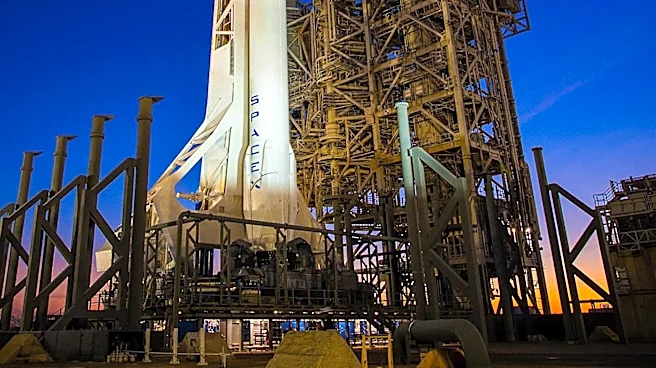
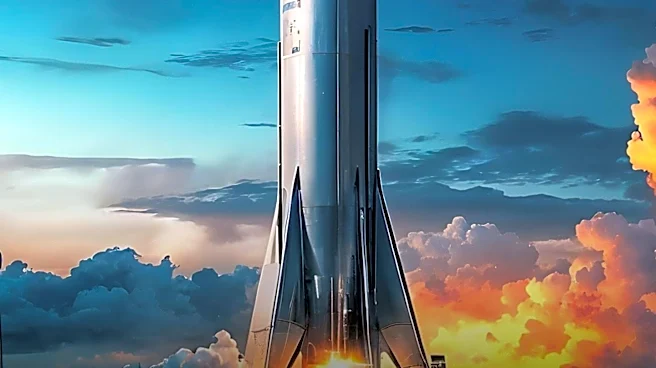
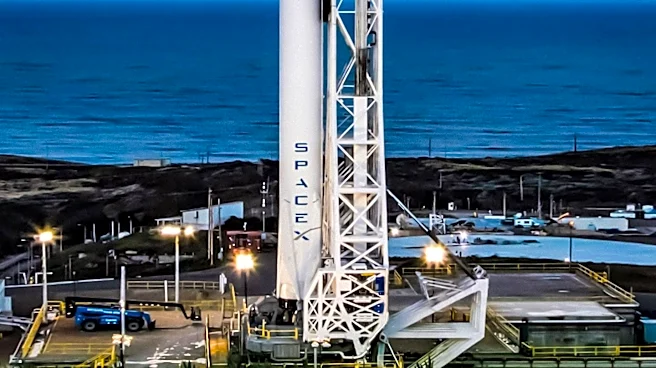
SpaceX successfully launched a Northrop Grumman robotic spacecraft on July 21, designed to extend the operational life of aging satellites. The mission, which took off from Cape Canaveral Space Force Station
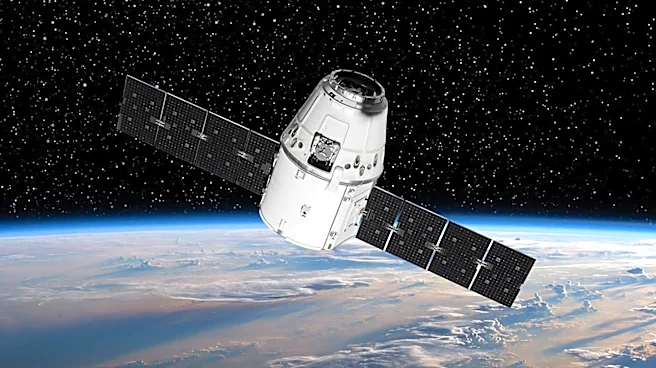
in Florida, involves a Falcon 9 rocket carrying a Mission Robotic Vehicle (MRV) and three Mission Extension Pods. These spacecraft, developed by Northrop Grumman's SpaceLogistics subsidiary, are set to reach geostationary orbit to install propulsion modules on commercial satellites. This mission marks a significant step in satellite servicing, allowing the MRV to install hardware on multiple satellites, thereby extending their operational life without the need for refueling. The U.S. Space Force has expressed interest in utilizing the MRV as a commercial resource once operational.
Why It's Important?
This mission represents a pivotal advancement in satellite servicing technology, potentially revolutionizing how satellites are maintained and extending their operational life. By enabling satellites to continue functioning beyond their expected lifespan, this technology could significantly reduce costs for satellite operators and delay the need for new satellite launches. The involvement of the U.S. Space Force indicates potential military applications, highlighting the strategic importance of maintaining satellite infrastructure. This development could lead to more sustainable space operations and foster innovation in satellite design and deployment.
What's Next?
Following the initial installations, Northrop Grumman plans to launch additional Mission Extension Pods for future customers, keeping the MRV in orbit for ongoing servicing missions. The success of this mission could lead to increased demand for satellite servicing, prompting further investment in similar technologies. The U.S. Space Force's interest suggests potential government contracts, which could expand the scope and scale of future missions. As the technology proves its viability, it may encourage other companies to develop similar capabilities, enhancing the overall resilience and sustainability of satellite operations.