




What's Happening?
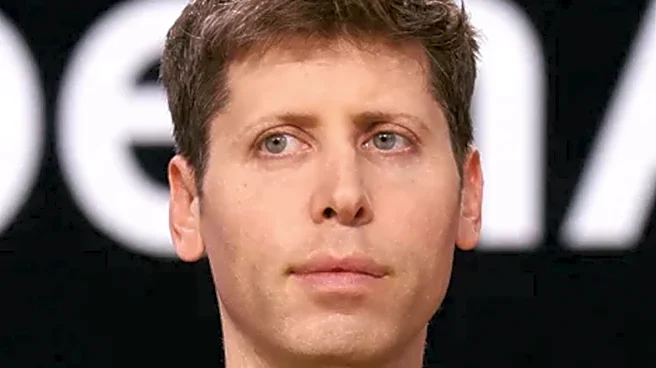
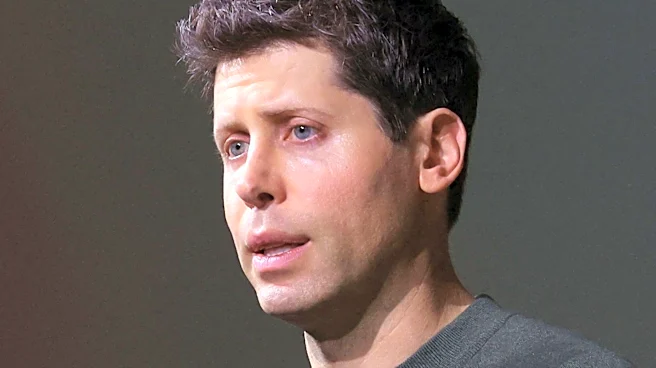
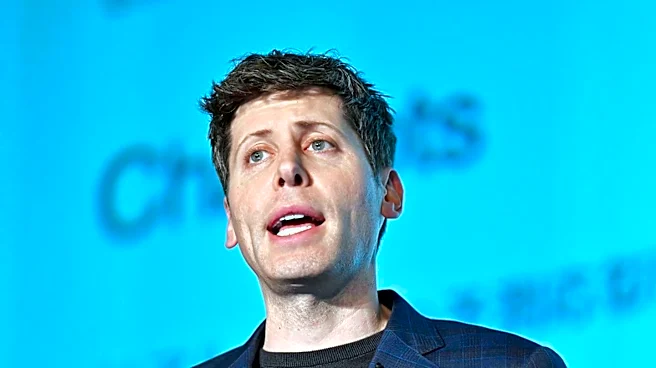
Sam Altman, co-founder of OpenAI, has expressed skepticism about the potential for artificial intelligence (AI) to significantly reduce work hours in the future. In a recent podcast, Altman stated that despite technological advancements, the promise of a reduced
workweek has not materialized, and he does not expect AI to change this trend. He attributes this to human nature, suggesting that people have an inherent desire to compete and be productive, which drives them to work more even as technology improves efficiency. Altman believes that while AI will enhance productivity, it will not lead to a utopian society with minimal work hours, as people will continue to seek fulfillment through work.
Why It's Important?
Altman's perspective challenges the optimistic view that AI will lead to a significant reduction in work hours, highlighting the complex relationship between technology and human behavior. His comments suggest that societal and economic structures may not easily adapt to technological advancements, as human desires for productivity and competition persist. This has implications for policymakers and businesses as they navigate the integration of AI into the workforce. Understanding these dynamics is crucial for developing strategies that balance technological benefits with human needs, ensuring that AI enhances rather than disrupts societal well-being.
What's Next?
As AI continues to evolve, businesses and policymakers will need to address the challenges of integrating AI into the workforce while considering human behavior and societal expectations. This may involve rethinking work structures, developing new policies to support workers, and fostering environments that encourage meaningful work. Additionally, ongoing discussions about the ethical implications of AI and its impact on employment will be essential in shaping the future of work. Stakeholders will need to collaborate to ensure that AI advancements lead to positive outcomes for both individuals and society as a whole.