




What's Happening?
Digital technology is fundamentally reshaping the hip-hop industry, influencing how artists create, distribute, and connect with their audiences. This shift moves hip-hop from its traditional reliance on local communities, live performances, and physical
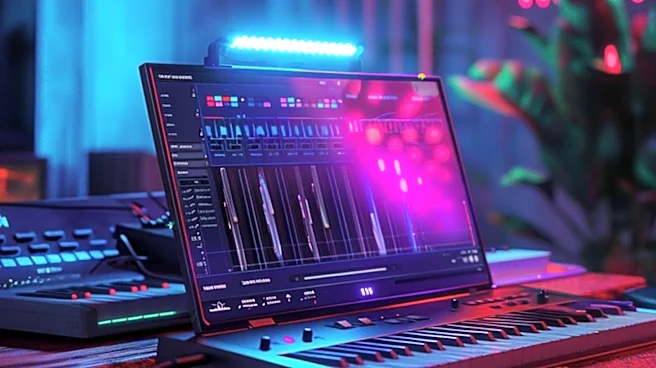
recordings to a global digital landscape. Artists now utilize online platforms for sharing new tracks, engaging with fans across social networks, and reaching broader audiences without solely depending on conventional industry structures. This digital evolution extends beyond music, integrating hip-hop with gaming, fashion, video production, and interactive services. Independent artists can record music at home, publish tracks online, and communicate with listeners globally, overcoming geographical barriers that once limited access. Social media platforms have also altered artist-fan relationships, enabling direct communication and fostering greater fan participation through comments, shares, and live streams. Streaming services have changed music discovery, allowing listeners to access individual tracks and create playlists, though this also raises economic questions regarding artist compensation. Short-form video content has become a significant promotional tool, introducing songs through brief clips and encouraging repeated exposure.
Why It's Important?
The digital transformation of hip-hop holds significant implications for the music industry, artists, and consumers. For artists, it democratizes access to production and distribution, potentially reducing reliance on major labels and enabling greater creative control and independence. However, it also introduces new challenges, such as the need for consistent online activity, managing public engagement with privacy, and navigating complex revenue models from streaming services. The shift from physical sales to streaming and digital content impacts artists' income streams, requiring them to diversify revenue through performances, merchandise, and other ventures. For consumers, digital platforms offer unprecedented access to a vast array of music and direct interaction with artists, fostering a more engaged and participatory fan culture. The integration of hip-hop with other digital entertainment forms, like gaming, expands its cultural reach and creates new avenues for audience engagement and commercial opportunities. This evolution also highlights the ongoing debate about authorship and creative ownership, particularly with the rise of artificial intelligence in music production.
What's Next?
The future of hip-hop will likely see continued experimentation with digital production methods, communication formats, and distribution channels. Further advancements in technology may introduce new ways for artists to collaborate remotely and for audiences to experience live music through interactive platforms. The role of artificial intelligence in music production is expected to grow, prompting ongoing discussions about ethical considerations, copyright, and the definition of artistic originality. Artists will need to adapt to evolving digital landscapes, balancing the demands of constant online visibility with their creative processes and personal lives. The industry will continue to grapple with fair compensation models for artists in the streaming era. Additionally, the expansion of hip-hop into other digital communities, such as gaming, suggests further cross-platform collaborations and innovative content creation. The central challenge for artists will be to leverage technology effectively without allowing promotional pressures to overshadow artistic integrity and creative decisions.
Beyond the Headlines
The digital evolution of hip-hop reflects broader societal shifts in communication, consumption, and community building. The genre, historically rooted in local, direct participation, now navigates a global, virtual space, raising questions about the preservation of its core cultural elements. While digital platforms offer unprecedented reach, they also create a paradox of choice and attention scarcity, where millions of creators compete for listener engagement. This environment can foster a culture of constant performance and self-promotion, potentially blurring the lines between artistic expression and commercial branding. The increased accessibility of music production tools also challenges traditional gatekeepers and notions of professional quality, leading to a more diverse but potentially saturated market. Furthermore, the digital archiving of hip-hop's history through online interviews and footage allows for intergenerational dialogue and historical understanding, but also necessitates critical evaluation of information accuracy. The ongoing integration of AI into creative processes prompts a re-examination of human creativity, ownership, and the very essence of artistic endeavor in the digital age.