









What's Happening?
The International Energy Agency (IEA) has revised its global oil demand forecast for 2026, citing higher fuel prices and supply disruptions due to ongoing Middle East conflicts. The IEA's June Oil Market Report indicates a reduction in expected oil demand by
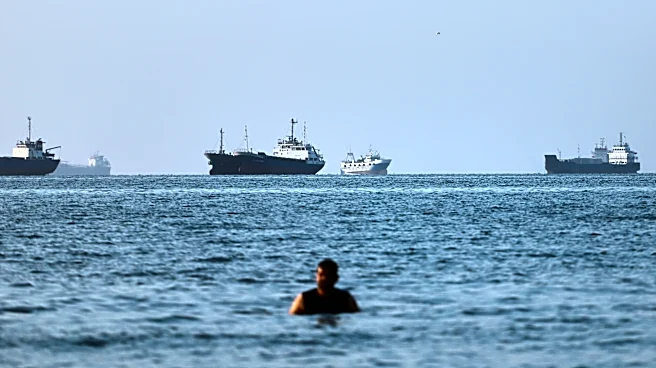
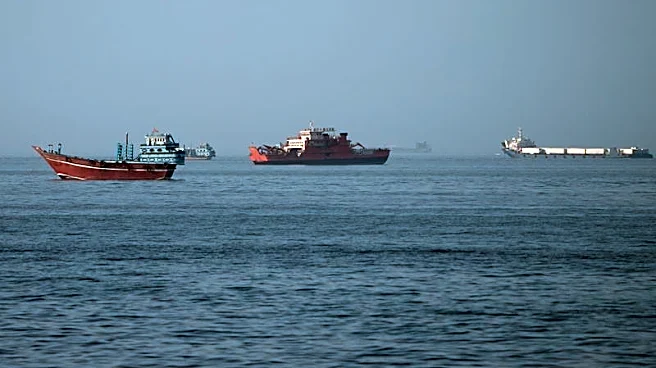
1.1 million barrels per day (MMbpd) for 2026, a decrease of 700,000 barrels per day from previous estimates. This adjustment comes as oil deliveries dropped by 5 MMbpd in the second quarter, influenced by consumer and refiner responses to price hikes and limited availability. The report also highlights the potential reopening of the Strait of Hormuz following a U.S.-Iran interim agreement, which could restore oil flows from the Persian Gulf. Despite this, the IEA warns of operational and political challenges that could hinder a full recovery. Global oil supply is projected to decline by 3.9 MMbpd to 102.4 MMbpd in 2026, with a rebound expected in 2027.
Why It's Important?
The IEA's revised forecast underscores the significant impact of geopolitical tensions on global oil markets. The potential reopening of the Strait of Hormuz is crucial, as it is a vital chokepoint for global oil shipments. Any disruptions here can have widespread implications for oil prices and supply chains. The report's findings suggest that while there may be a temporary decline in oil demand, a recovery is anticipated in 2027 as market conditions stabilize. This could lead to a surplus in oil supply, providing an opportunity to replenish depleted inventories. The situation highlights the interconnectedness of global energy markets and the influence of geopolitical events on economic stability.
What's Next?
As the situation in the Middle East evolves, stakeholders will closely monitor the reopening of the Strait of Hormuz and its impact on oil flows. The IEA anticipates a gradual recovery in Gulf exports, but challenges such as demining and transit arrangements could delay this process. Additionally, the agency expects global oil supply to increase significantly in 2027, potentially leading to a market surplus. This could stabilize oil prices and improve economic conditions. Policymakers and industry leaders will need to navigate these developments carefully to ensure energy security and market stability.