





What's Happening?
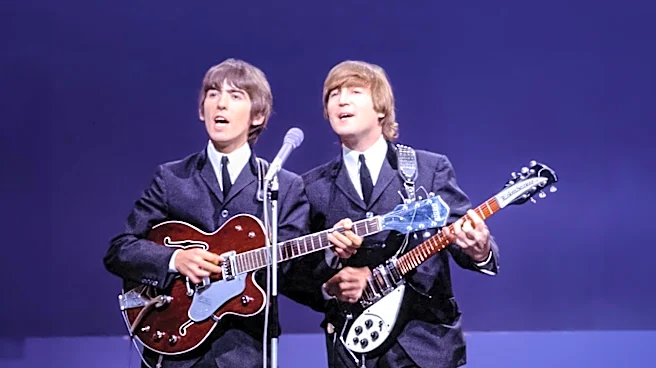
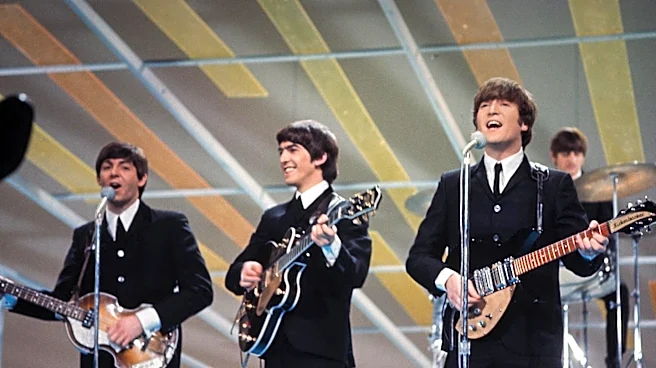
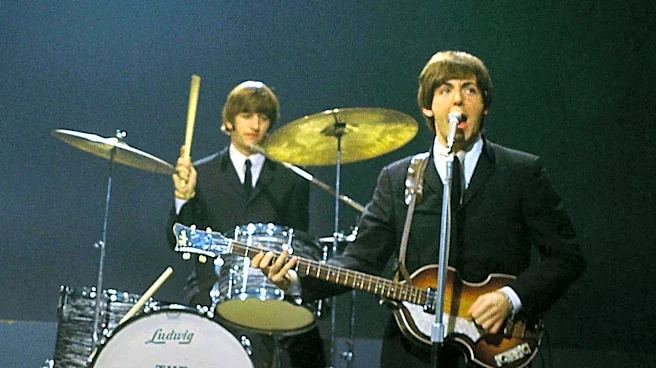
Paul McCartney's continuous engagement with diverse cultural and artistic movements significantly influenced The Beatles' musical evolution, particularly during the mid-1960s. While the band achieved global fame, McCartney actively sought out new experiences
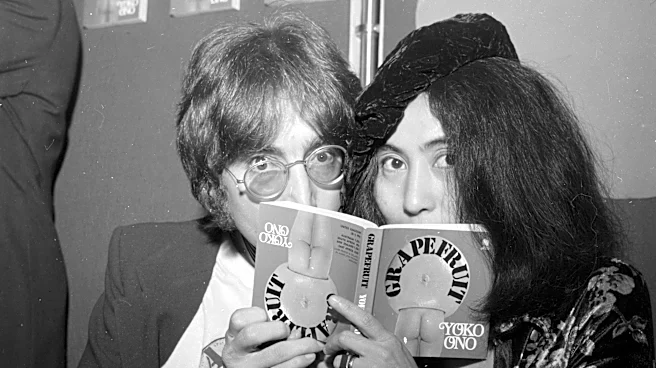
by visiting clubs, galleries, theaters, and films, and by reading widely. He met artists, writers, filmmakers, and musicians, absorbing ideas from various global cultures. This curiosity led him to explore experimental composers like Karlheinz Stockhausen and Luciano Berio, electronic music, and tape manipulation, alongside classical music. His home in central London kept him close to the city's vibrant arts scene, including the Indica Gallery and bookshop, where he was actively involved. This broad exposure to different art forms and ideas was instrumental in transforming The Beatles from a clean-cut pop group into the experimental artists behind albums like 'Sgt. Pepper’s Lonely Hearts Club Band,' integrating elements such as Indian instrumentation, brass, strings, and unusual studio techniques into their sound.
Why It's Important?
McCartney's approach highlights the critical role of continuous external influence and curiosity in sustaining creative innovation, even amidst immense success. His refusal to remain confined by the band's established sound and commercial achievements allowed The Beatles to constantly redefine their artistic boundaries. This demonstrates that true artistic growth often requires looking beyond one's immediate field and embracing diverse inspirations. For the music industry, this serves as a powerful example of how artists can avoid creative stagnation by actively seeking out new knowledge and experiences. It also underscores the value of individual members' diverse interests in shaping a collective's output, even if those differences eventually contribute to internal tensions. The band's willingness to abandon successful formulas, such as touring, to prioritize studio experimentation, fundamentally altered their creative process and output, setting new precedents for album production and artistic ambition in popular music.
What's Next?
The legacy of McCartney's influence continues to inspire contemporary artists and creative professionals to embrace interdisciplinary exploration. The Beatles' trajectory, driven by this constant search for new ideas, remains a case study in artistic reinvention. Future artists and bands may continue to draw lessons from their willingness to evolve, experiment, and integrate diverse cultural elements into their work. This ongoing influence suggests a future where creative fields increasingly value cross-pollination of ideas and a broad cultural awareness as essential components of innovation. The emphasis on curiosity and the integration of varied influences will likely remain a key strategy for artists aiming for sustained relevance and artistic depth in an ever-changing cultural landscape.
Beyond the Headlines
McCartney's journey with The Beatles reveals a deeper truth about the nature of creativity: it thrives on an open-ended engagement with the world, rather than a narrow focus on one's own domain. His ability to synthesize avant-garde concepts with accessible melodies, and to champion experimental techniques while retaining a love for traditional forms, illustrates a sophisticated understanding of artistic balance. This approach challenges the notion that experimentation must come at the expense of popular appeal. Furthermore, the band's collective ability to translate individual curiosities into a cohesive and groundbreaking body of work speaks to the power of collaborative creativity, where diverse perspectives enrich the final product. This model of continuous learning and adaptation offers a profound lesson for any field, emphasizing that true mastery involves not just refining existing skills, but constantly expanding one's intellectual and creative horizons.