
What's Happening?
Experts are highlighting resistance training as a crucial, often overlooked, component for women's bone health and overall longevity. While calcium and vitamin D are recognized for their role, strength
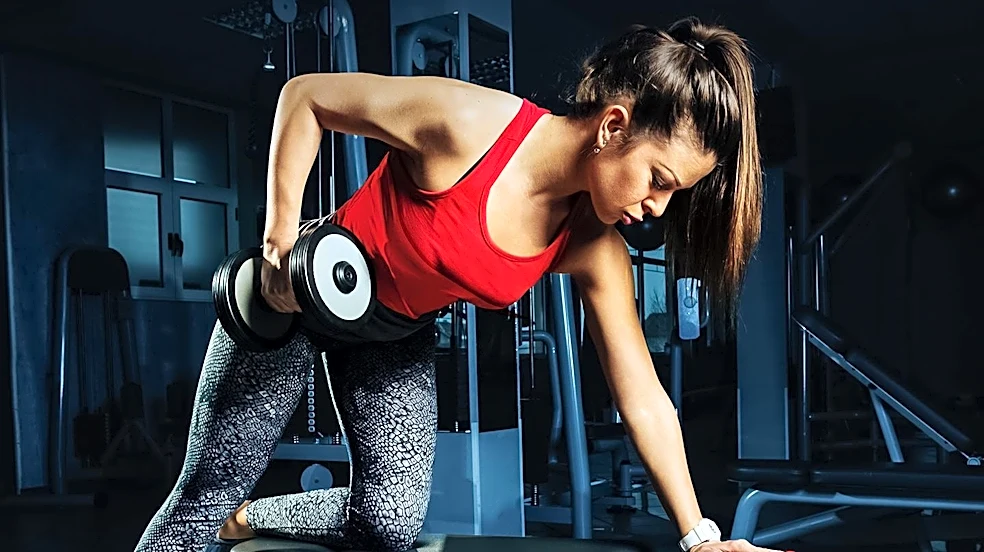
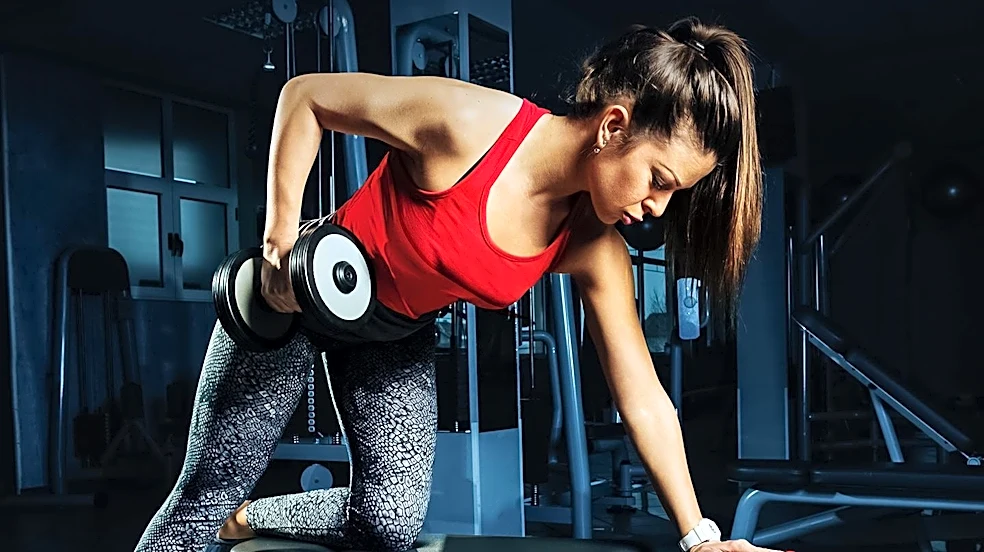
training is increasingly seen as one of the most effective ways to preserve bone density and maintain muscle mass, particularly as women age. Women typically begin losing bone density and muscle mass around age 30, a process accelerated by menopause due to declining estrogen levels, which can lead to a 20% deterioration in bone mass and increased risk of osteoporosis and fractures. The American College of Sports Medicine recently updated its recommendations, emphasizing that effective strength training can include various forms, such as free weights, machines, resistance bands, and bodyweight exercises like squats, lunges, and push-ups, recommending training all major muscle groups at least twice weekly.
Why It's Important?
This emphasis on resistance training is vital for public health, especially for women, as it addresses a significant health concern that impacts quality of life and longevity. By promoting strength training, experts aim to mitigate the risks associated with age-related bone and muscle loss, such as falls, fractures, and reduced independence. The updated recommendations from a reputable organization like the American College of Sports Medicine provide authoritative guidance, encouraging a broader adoption of diverse strength training methods. This shift in focus from solely nutritional supplements to active physical intervention empowers women to take proactive steps in managing their long-term health, potentially reducing healthcare burdens and improving overall societal well-being.
What's Next?
Healthcare providers and fitness professionals are encouraged to educate women about the benefits of resistance training for bone health. Public health campaigns may increasingly incorporate messages about strength training alongside traditional advice on calcium and vitamin D intake. Women, regardless of age, are advised to consult with their primary care providers or OB-GYNs to safely integrate resistance training into their routines. The accessibility of various training forms, including bodyweight exercises, means that women can start at any time and without extensive gym access, fostering a more inclusive approach to preventative health.
Beyond the Headlines
This focus on resistance training for women's bone health extends beyond physical benefits, touching upon themes of empowerment and challenging age-related stereotypes. By highlighting that it's never too late to start and that significant benefits can be achieved post-menopause, it encourages a proactive and positive approach to aging. This perspective can foster greater body autonomy and confidence among women, shifting the narrative from passive acceptance of age-related decline to active engagement in maintaining vitality. It also underscores the interconnectedness of physical activity with mental and emotional well-being, promoting a holistic view of health throughout the lifespan.