

What's Happening?
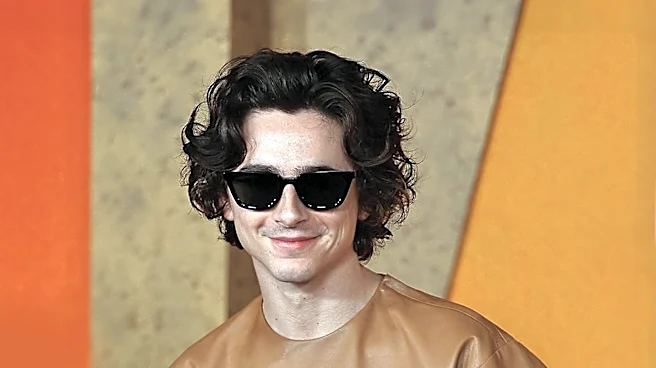
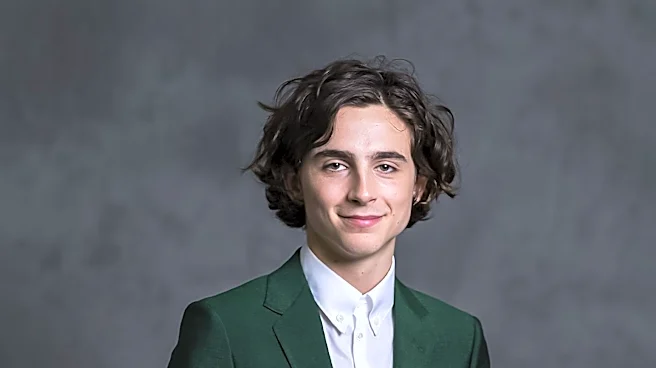
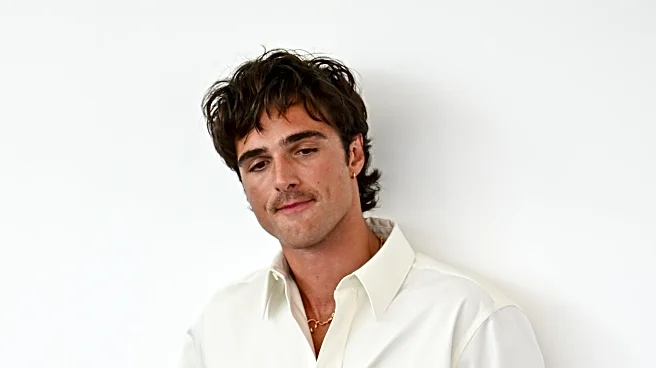
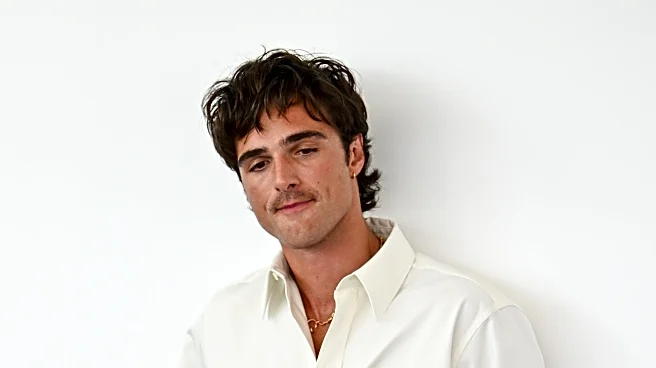
Vanity Fair's recent cover story featuring actor Timothee Chalamet has drawn criticism for its perceived lack of journalistic depth and personal revelations. The article, penned by editorial guide Mark Guiducci, reportedly avoids discussing significant
personal aspects of Chalamet's life, such as his relationship with Kylie Jenner or details surrounding a past 'Marty Supreme' Oscar campaign. The interview, which took place in Guiducci's apartment, is described as a 90-minute conversation that yielded minimal substantive information. The only notable detail shared was Chalamet's expenditure on expensive away-game Knicks tickets. The piece also features a photoshoot in Iceland, which includes an image of Chalamet smoking a cigarette, a practice noted as a historical 'no-no' for magazines due to FDA regulations concerning tobacco product advertisements. The overall sentiment is that the article is a 'nothingburger,' offering little insight into the actor's life or career beyond previously known facts.
Why It's Important?
This critique of Vanity Fair's cover story highlights a broader concern within celebrity journalism regarding the balance between access and editorial integrity. When a prominent publication like Vanity Fair produces a feature on a major star that is perceived as devoid of new information, it can diminish the perceived value of such content for readers. This trend could lead to a decline in trust in celebrity profiles as sources of genuine insight, potentially impacting subscription rates and advertising revenue for magazines. For publicists and celebrities, such 'nothingburger' interviews might be seen as a way to maintain visibility without revealing personal details, but they risk alienating audiences seeking more authentic engagement. The inclusion of a smoking image also raises questions about editorial standards and potential implications for public health messaging, especially given historical industry practices and FDA guidelines.
What's Next?
The immediate consequence for Vanity Fair could be a reevaluation of its editorial approach to celebrity profiles, particularly concerning the depth of content and the level of access granted to journalists. Readers and industry observers may continue to scrutinize future celebrity features from the magazine for similar issues. For Timothee Chalamet, this article might reinforce a public perception of guardedness, potentially influencing how future interviews are conducted or perceived. The incident could also spark further discussion within the media industry about the evolving nature of celebrity interviews, the role of publicists in controlling narratives, and the ethical considerations surrounding content that might inadvertently promote behaviors like smoking, despite regulatory warnings.
Beyond the Headlines
The incident reflects a growing tension between the public's desire for authentic celebrity narratives and the carefully curated images presented by stars and their teams. In an era of pervasive social media, where celebrities often control their own narratives, traditional media outlets face the challenge of offering unique and compelling content. The 'nothingburger' phenomenon suggests that some publications may be prioritizing access over journalistic rigor, leading to superficial content. This could contribute to a broader cultural shift where celebrity interviews become less about genuine insight and more about promotional exercises, potentially eroding the critical function of entertainment journalism. The mention of the 'Marty Supreme' Oscar campaign, though not elaborated upon, hints at the intense and often unconventional strategies employed in awards season, further illustrating the manufactured aspects of celebrity culture.