




What's Happening?
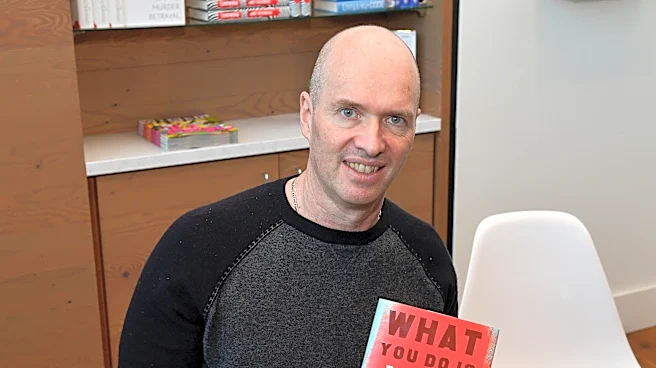
Roelof Botha, a prominent South African-born investor, is playing a key role in bridging Silicon Valley's technology industry with South Africa's artificial intelligence (AI) ambitions. Botha, known for his significant contributions to the tech sector
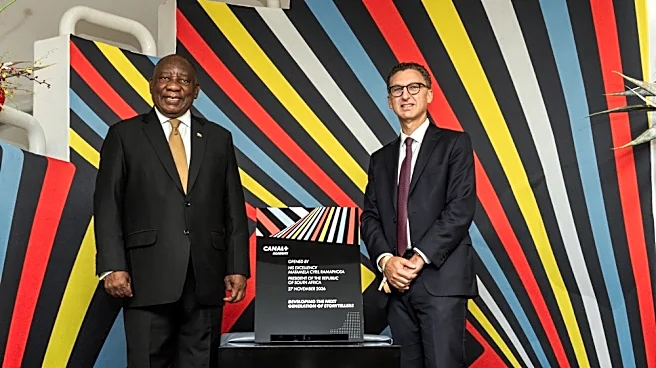
through early investments in companies like YouTube and Instagram during his tenure at Sequoia Capital, recently met with South African President Cyril Ramaphosa. This meeting occurred during President Ramaphosa's visit to Silicon Valley in November, where he explored how South Africa could leverage AI for national development. Botha, who has over two decades of experience in helping technology companies grow, moderated a discussion with President Ramaphosa at Stanford University. His career also includes work at McKinsey and PayPal, where he worked alongside Elon Musk. Botha's expertise and connections are seen as crucial for South Africa's goal of developing its own technology, training skilled professionals, and fostering internationally competitive businesses, rather than merely serving as a data center hub for foreign tech companies.
Why It's Important?
Botha's involvement is significant for South Africa's economic future and its positioning in the global AI landscape. His deep understanding of venture capital and technology investment, honed through successful early-stage investments in major tech giants, offers a direct conduit for South Africa to attract crucial funding and expertise. President Ramaphosa's emphasis on developing indigenous technology and skilled labor, rather than just infrastructure, highlights a strategic shift towards long-term economic growth and self-sufficiency. By engaging with figures like Botha, South Africa aims to cultivate an environment where local innovation can thrive and compete on an international scale. This initiative could lead to job creation, technological advancements within the country, and a reduction in reliance on foreign technological imports, ultimately strengthening South Africa's economic resilience and global competitiveness in the rapidly evolving AI sector.
What's Next?
The collaboration between Roelof Botha and President Ramaphosa suggests a potential for increased investment and strategic partnerships between Silicon Valley and South Africa. Following these discussions, South Africa is likely to pursue initiatives aimed at fostering its AI industry, which could include developing specialized training programs, creating incentives for tech startups, and attracting further foreign direct investment in the technology sector. Botha's insights into identifying promising ventures and founders who challenge conventional thinking could influence how South Africa structures its support for emerging tech companies. The focus will be on translating these high-level discussions into concrete policies and programs that can accelerate South Africa's technological development and integrate it more deeply into the global digital economy.
Beyond the Headlines
The engagement with Roelof Botha underscores a broader global trend where nations are actively seeking to harness the power of AI for economic and social development. South Africa's approach, championed by President Ramaphosa, reflects a desire to move beyond being a consumer of technology to becoming a producer and innovator. This strategy has ethical and cultural implications, as it involves cultivating a unique technological identity that aligns with national values and addresses local challenges. The emphasis on founders with diverse backgrounds and pivotal life moments, as highlighted by Botha's investment philosophy, suggests a potential for South Africa to foster a more inclusive and resilient tech ecosystem. This could lead to the development of AI solutions tailored to the specific needs and contexts of African communities, potentially setting a precedent for other developing nations.