






What's Happening?
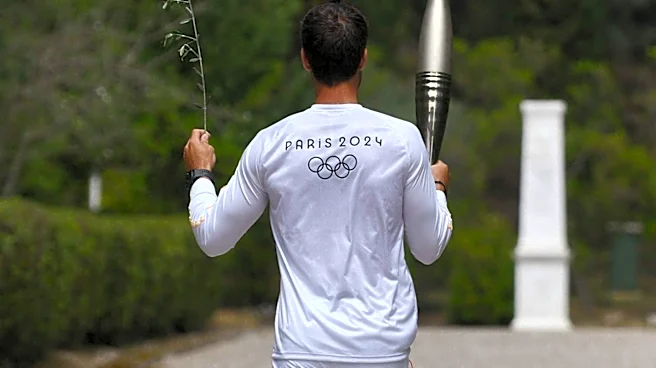
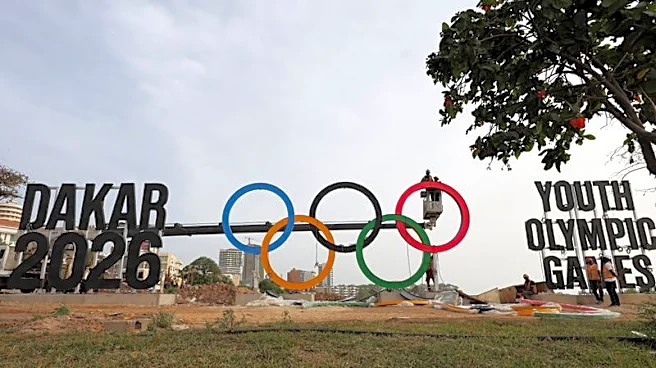
French actor Omar Sy, who has Senegalese and Mauritanian heritage, carried the Youth Olympic Flame on the eve of the opening ceremony for the Youth Olympic Games in Dakar, Senegal. Sy is an ambassador for Dakar 2026, marking the first time the Youth Olympic Games are
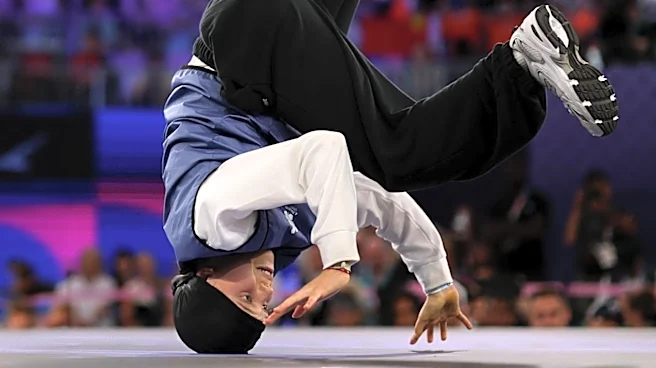
being held in Africa. The opening ceremony, held at the Diamniadio Olympic Stadium near Dakar, featured tens of thousands of spectators and hundreds of performers celebrating Senegalese and African culture. Senegalese President Bassirou Diomaye Faye officially declared the Games open. The event showcased African unity with representatives from all 54 African countries recognized by the United Nations participating in a display of cultural diversity. Approximately 2,700 athletes aged 14 to 17 will compete in 153 medal events across 25 sports until November 13.
Why It's Important?
The hosting of the Youth Olympic Games in Dakar represents a significant milestone for Senegal and the entire African continent. It underscores Africa's growing role in global sports and its increasing use of sports as a tool for diplomacy and development. This event follows other major sporting events held in Africa, such as the FIFA World Cup in South Africa in 2010 and upcoming events like the 2030 FIFA World Cup co-hosted by Morocco. The Games provide a platform to showcase African talent and culture to a global audience, with the opening ceremony televised live in over 30 countries. For young African athletes, it offers an unprecedented opportunity to compete on home soil and inspire future generations, fostering a sense of pride and unity across the continent.
What's Next?
The Youth Olympic Games will continue in Dakar, Diamniadio, and Saly until November 13, with athletes competing across 25 sports. The event is expected to draw international attention to Senegal and its capabilities as a host nation for major global events. Following these Games, the focus will likely shift to the long-term impact on sports development in Africa and how this event can serve as a bridge to future international competitions, including the 2028 Los Angeles Games. The International Olympic Committee (IOC) and African sports federations will likely assess the success of Dakar 2026 to inform future decisions regarding hosting major sporting events on the continent, potentially leading to increased investment in sports infrastructure and youth programs.
Beyond the Headlines
Beyond the immediate sporting competition, the Dakar Youth Olympic Games carry profound cultural and political implications. The emphasis on African unity and the celebration of diverse African cultures during the opening ceremony highlight a broader narrative of continental pride and self-assertion on the global stage. The participation of a refugee team for the first time at a Youth Olympics also underscores the humanitarian aspect of the Games, offering a platform for athletes displaced from their homes. This event could catalyze further discussions about the role of sports in fostering social cohesion, youth empowerment, and international cooperation, particularly in regions facing various developmental challenges. It also sets a precedent for future major international events to be hosted in Africa, challenging traditional geographical concentrations of such events.