








What's Happening?
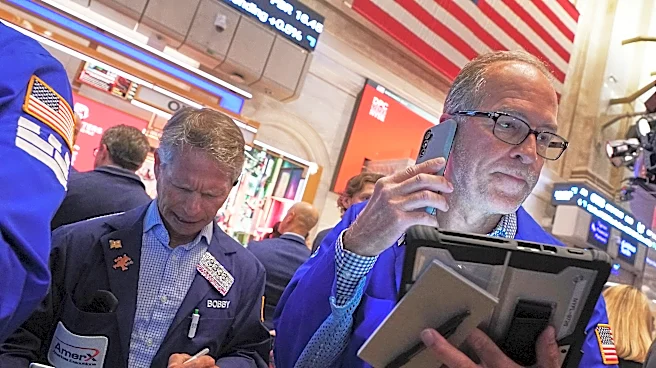
U.S. stock futures saw a slight increase on Sunday as tensions between the United States and Iran escalated following renewed military actions in the Middle East. The Dow Jones Industrial Average futures rose by 124 points, or 0.2%, while S&P 500 futures increased
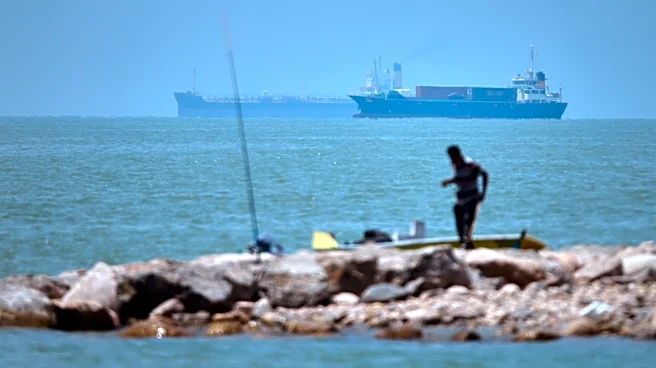
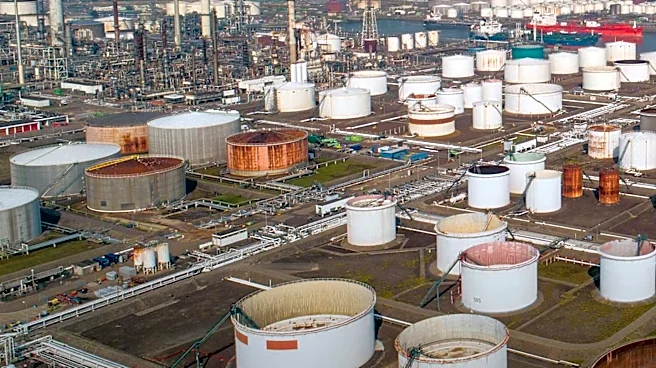
by 0.4%, and Nasdaq-100 futures advanced by 0.5%. This development comes after the U.S. conducted military strikes on Iranian targets in response to Tehran's actions along the Strait of Hormuz. President Trump announced the strikes on Truth Social, citing violations of a ceasefire agreement. The geopolitical tensions have also impacted oil prices, with Brent crude rising 0.8% to $72.57 per barrel and West Texas Intermediate futures climbing 1.1% to $70. The market movements reflect investor concerns over potential disruptions in the energy sector due to the ongoing conflict.
Why It's Important?
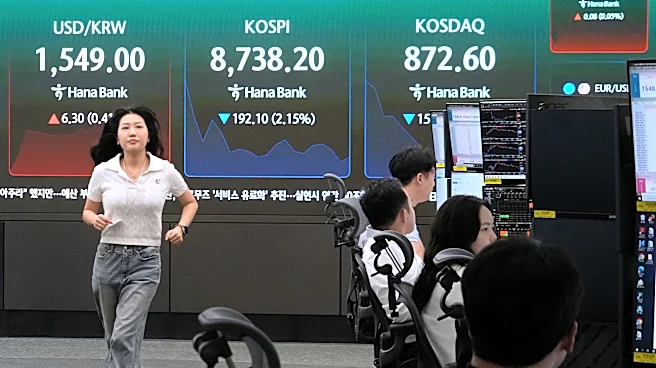
The escalation of tensions between the U.S. and Iran has significant implications for global markets, particularly in the energy sector. The Strait of Hormuz is a critical chokepoint for global oil shipments, and any conflict in the region can lead to disruptions in oil supply, affecting prices worldwide. The rise in oil prices could have a ripple effect on various industries, increasing costs for transportation and manufacturing. Additionally, the stock market's response highlights investor sensitivity to geopolitical risks, which can lead to volatility and shifts in investment strategies. The situation also underscores the broader economic impact of international conflicts, influencing market stability and investor confidence.
What's Next?
The continuation of military actions and the potential for further escalation could lead to increased volatility in both the stock and oil markets. Investors will likely monitor developments closely, particularly any diplomatic efforts to de-escalate the situation. The ongoing negotiations in Switzerland, although currently on hold, may resume, offering a potential path to reducing tensions. Market participants will also be watching for any policy responses from major economies that could mitigate the impact of rising oil prices. The end of June trading will be crucial as investors assess the broader market trends and adjust their portfolios accordingly.