






What's Happening?
Marvel announced the shutdown of its long-standing digital comics subscription service, Marvel Unlimited, effective December 7. This service, which has been Marvel's in-house digital hub since its launch as Marvel Digital Comics in 2007, will be replaced
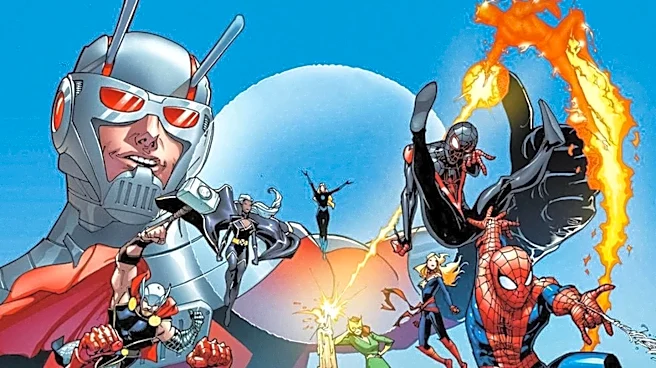
by a new app called Marvel Comics. The new platform, built and operated by Webtoon, is scheduled to launch on November 16. The Marvel Comics app will feature over 35,000 current and classic titles from Marvel, Star Wars, and 20th Century Studios, with content from other Disney brands like Pixar and Disney Animation expected to follow. The app will support both traditional page-based comic formats and mobile-friendly vertical-scroll formats. Subscribers to Marvel Unlimited will not have their payment information or subscriptions automatically transferred to the new app. However, Marvel Unlimited members who sign up for the new Marvel Comics app will be able to import their existing library and reading history. Prorated refunds will be issued to those whose paid subscriptions are cut short due to the shutdown, around November 16.
Why It's Important?
The transition from Marvel Unlimited to the new Webtoon-operated Marvel Comics app signifies a significant shift in Marvel's digital distribution strategy. By partnering with Webtoon, a company known for its mobile-first, vertical-scroll comic format, Marvel is clearly aiming to capture a broader audience, particularly those accustomed to digital reading experiences on smartphones. This move could expand Marvel's reach beyond traditional comic book readers and into the growing demographic of webtoon enthusiasts. The change also highlights the increasing importance of mobile-optimized content in the digital entertainment landscape. For existing Marvel Unlimited subscribers, the need to manually transfer subscriptions and reading history, along with the lack of automatic payment migration, could be a point of friction, potentially leading to some user churn. However, the promise of a more robust platform with content from across the Disney portfolio could attract new users and enhance the overall digital comic reading experience.
What's Next?
The new Marvel Comics app is set to launch on November 16, with Marvel Unlimited ceasing operations on December 7. Marvel Unlimited members will have until December 21 to access their library to ensure a successful transfer to the new app. Marvel will offer two subscription tiers for the new app: a base tier at $9.99 per month or $69.99 annually, providing access to the full catalog with new issues added three months after print release. An 'Ultimate-tier' membership, priced at $12.49 a month or $99.99 a year, will offer new issues as early as one month after print release. A special 'founder member' price of $59.99 for the first year of an annual Ultimate-tier membership is being offered for preorders. Attendees of New York Comic Con will have the opportunity to preview the new app. The success of this transition will depend on the seamlessness of the user migration process and the appeal of the new app's features and content library to both existing and new readers.
Beyond the Headlines
This strategic pivot by Marvel reflects a broader trend in the entertainment industry towards adapting content for diverse digital consumption habits. The collaboration with Webtoon, a platform that has democratized comic creation and consumption, suggests Marvel's intent to innovate beyond traditional comic book formats. This could lead to new storytelling approaches and a more interactive reading experience, potentially influencing how other major publishers approach their digital offerings. The move also underscores the ongoing consolidation and cross-platform synergy within Disney's vast intellectual property empire, bringing together Marvel, Star Wars, 20th Century Studios, Pixar, and Disney Animation content under a single digital comics umbrella. This integration could create a more unified digital ecosystem for Disney's narrative content, offering subscribers a wider array of stories and potentially fostering greater engagement across its brands.