





What's Happening?
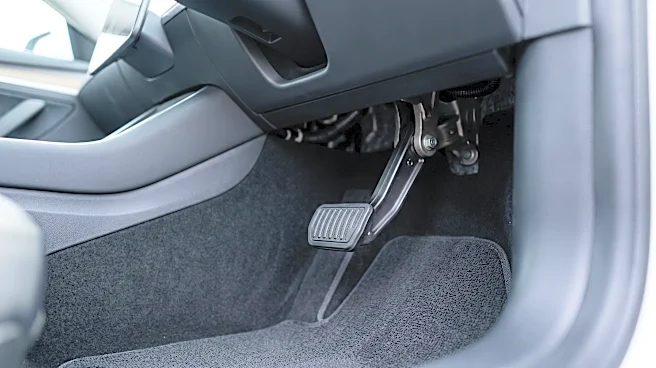
Hyundai Motor Company's 8th-generation new Avante (CN8), sold as the Elantra in North America, is facing criticism regarding a narrow driver's footwell that may interfere with brake pedal operation. An online claim suggests that the design will be changed
for vehicles sold in North America and applied to domestic models starting from the 2028 model year. This rumor originated from an anonymous online community post, which cited an internal chat message within Hyundai. The controversy began with a test drive video showing a driver's shoe catching on the cover above the pedal when moving from the accelerator to the brake. The video highlighted the potential for the driver to be unable to press the brake. However, Hyundai Motor Company has not officially confirmed these claims or disclosed its position on the brake pedal interference issue. Overseas reports about the Elantra launch in North America do not mention any official design changes or different application timelines for improvements.
Why It's Important?
This situation is important due to potential safety implications for drivers of the new Avante/Elantra, particularly in the U.S. market. If the alleged brake pedal interference is a genuine design flaw, it could pose a significant risk of accidents, leading to consumer safety concerns, potential recalls, and legal challenges for Hyundai Motor Company. The unconfirmed nature of the design change claims creates uncertainty for current and prospective owners. For U.S. consumers, the possibility of a design change being implemented in North American models before domestic ones could raise questions about product safety standards and the company's responsiveness to safety issues across different markets. The automotive industry often faces intense scrutiny over safety defects, and any confirmed issue could impact Hyundai's brand reputation and sales in a highly competitive market.
What's Next?
Hyundai Motor Company has not yet issued an official statement regarding the brake pedal interference allegations or the rumored design changes. The immediate next step would likely involve the company addressing these claims publicly, either by confirming or refuting the online reports. If the issue is confirmed to affect driving safety, regulatory bodies in the U.S., such as the National Highway Traffic Safety Administration (NHTSA), could initiate investigations, potentially leading to mandatory recalls or safety advisories. Consumers and automotive media will likely continue to monitor the situation closely, awaiting an official response from Hyundai. The company's handling of this controversy will be crucial in maintaining consumer trust and mitigating potential financial and reputational damage.
Beyond the Headlines
Beyond the immediate safety concerns, this incident highlights the growing influence of online communities and social media in bringing potential product defects to light, even before official company statements. The anonymous online post, claiming to be an internal chat message, underscores the challenges corporations face in managing information and rumors in the digital age. If the design change for North American models is indeed true and precedes changes in other markets, it could spark discussions about global product safety standards and the prioritization of certain markets. This situation also touches upon the ethical responsibility of manufacturers to promptly address and communicate potential safety issues, regardless of their perceived severity internally, to ensure public safety and maintain transparency.