






What's Happening?
The energy market experienced significant volatility this week due to escalating tensions between the U.S. and Iran, which briefly drove crude prices higher. Despite geopolitical risks, the focus remains on long-term investments in natural gas, nuclear
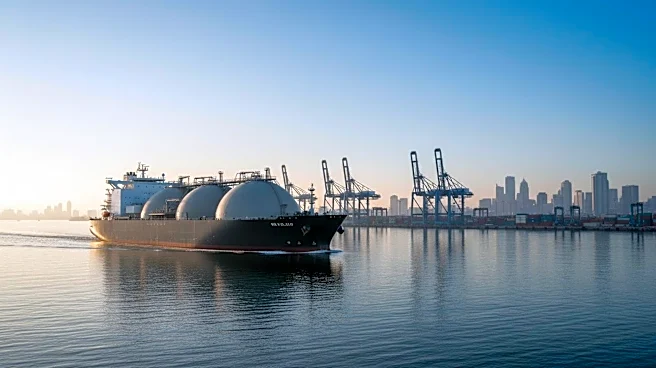
power, and production efficiency technologies. The International Energy Agency warned that further conflict could impact future oil supply, while strategic petroleum reserve purchases are expected to support demand. Meanwhile, investments in LNG and nuclear power are increasing, reflecting a shift towards reliable baseload generation amid growing electricity demand.
Why It's Important?
The volatility in oil prices highlights the ongoing geopolitical risks affecting the energy market. However, the industry's focus on long-term investments in natural gas, nuclear power, and LNG infrastructure indicates a strategic shift towards securing reliable energy sources. This trend is driven by expanding power demand from industrial growth and technological advancements. As companies invest in infrastructure and technologies, they aim to strengthen global energy security and meet future demand, positioning themselves for sustained growth despite short-term market fluctuations.
What's Next?
The energy sector is likely to continue investing in LNG and nuclear power, with companies expanding their infrastructure to meet future demand. This includes acquisitions and technological advancements to enhance production efficiency and export capabilities. As geopolitical tensions persist, the industry may prioritize securing reliable energy sources and diversifying supply chains. Additionally, regulatory reforms in resource-rich nations could attract further international investment, reshaping global energy markets and supply dynamics.