





What's Happening?
Black Friday 2026, scheduled for November 27, will feature extensive discounts from major retailers such as Amazon, Best Buy, Target, and Walmart, alongside brands like REI, Lululemon, Sephora, and Wayfair. Deals are anticipated across various categories,
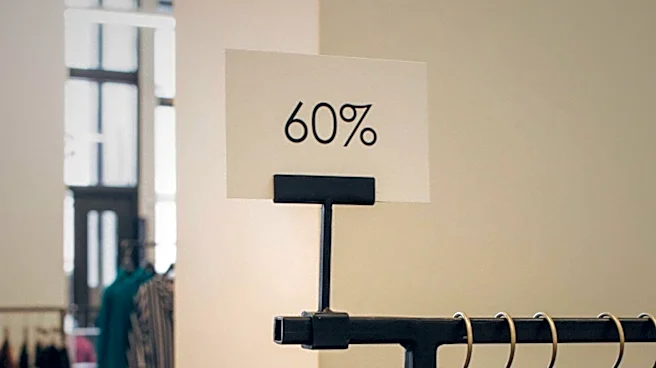
including tech, home goods, fashion, appliances, furniture, mattresses, and e-bikes. However, ABC7 New York, citing shopping expert Trae Bodge, warns consumers about the phenomenon of 'spaving,' where individuals spend more under the illusion of saving money. Bodge emphasizes that while many items, particularly electronics and small home appliances, will see significant price reductions, not all sale items represent the best value. Shoppers are encouraged to create a shopping list and adhere to a budget to avoid impulsive purchases driven by promotional tactics like 'buzzed red signs' and 'limited stock only' alerts.
Why It's Important?
The Black Friday shopping event holds significant economic importance for U.S. retailers, often marking the unofficial start of the holiday shopping season and contributing substantially to annual sales figures. For consumers, it presents an opportunity to acquire desired goods at reduced prices. However, the prevalence of 'spaving' highlights a critical challenge: consumers may overspend, leading to financial strain or buyer's remorse. This trend can inflate retail revenues in the short term but may also contribute to consumer debt. Understanding which items genuinely offer the best value during Black Friday versus other times of the year is crucial for both individual financial health and the broader retail landscape, as it influences purchasing patterns and inventory management strategies for businesses.
What's Next?
As Black Friday approaches, consumers are advised to conduct thorough research on desired products, compare prices, and read reviews to ensure they are making informed decisions rather than succumbing to promotional pressure. Retailers will continue to roll out their Black Friday advertisements, intensifying competition for consumer dollars. Following the event, there will likely be analyses of consumer spending trends and the overall economic impact of the holiday shopping season. Shoppers looking for large appliances, mattresses, beds, and luxury designer goods may find better deals after the holiday season, around Memorial Day or Labor Day, suggesting a strategic approach to purchasing certain categories of items.
Beyond the Headlines
The 'spaving' phenomenon underscores a deeper psychological aspect of consumer behavior, where the perception of a deal can override rational financial planning. This highlights the effectiveness of marketing strategies that leverage urgency and scarcity. From an ethical standpoint, retailers face the challenge of balancing aggressive sales tactics with transparent pricing and value propositions. The long-term implications of such spending habits could include increased consumer debt and a shift in purchasing priorities, potentially impacting savings rates and overall economic stability. This also raises questions about consumer education and the need for greater financial literacy to navigate complex retail environments effectively.