






What's Happening?
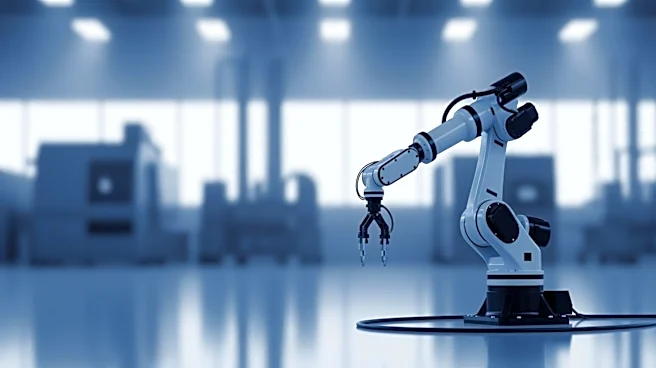
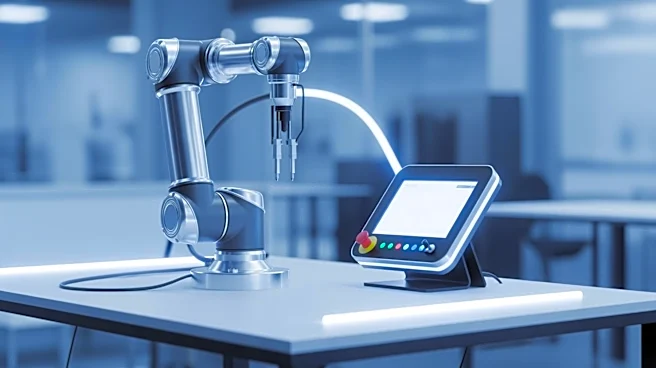
Alphabet's Intrinsic has launched a new modular, software-first robotic workcell design powered by IntrinsicOS, aimed at simplifying industrial automation by replacing complex robot coding with drag-and-drop automation. This innovation is set to be showcased
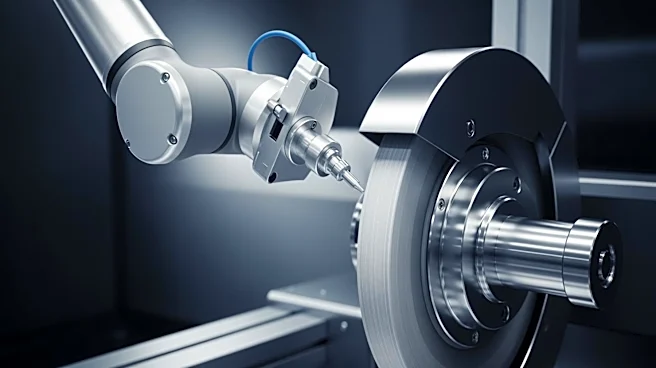
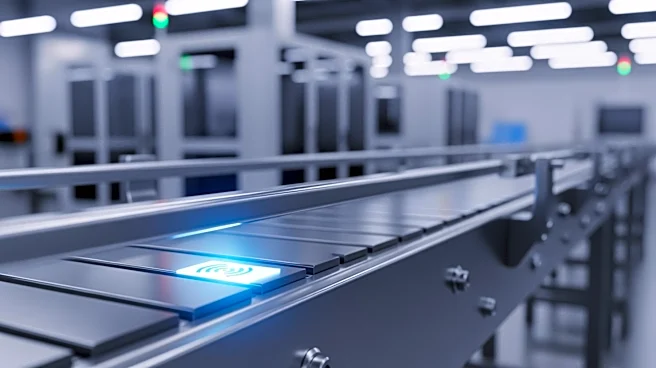
at Automate 2026, demonstrating its potential for modular, AI-infused production applications across various industries, from factories to machine shops. The workcell leverages AI to enable quick implementation of skills-based automation for complex assembly tasks, such as instant process and tool reconfigurations, which support 'high mix' production for smaller custom batches. Intrinsic is collaborating with CNC system integrators like Trinity Automation and MartinSystems to integrate AI capabilities seamlessly into their products, enhancing machine shop operations without the need for manual robot programming.
Why It's Important?
The introduction of Intrinsic's AI-driven workcell represents a significant advancement in industrial automation, potentially transforming how manufacturing processes are conducted. By simplifying the integration of AI into robotics, Intrinsic is democratizing access to advanced automation technologies, which could lead to increased efficiency and reduced costs in manufacturing. This development is particularly important for industries that rely on complex assembly processes, as it allows for greater flexibility and customization in production. The move also highlights the growing trend of integrating AI into traditional industries, which could lead to broader adoption of AI technologies and drive innovation across various sectors.
What's Next?
Intrinsic is preparing for a major manufacturing pilot with Foxconn later this year, which will further test and refine the capabilities of its AI-driven workcell. The success of this pilot could pave the way for wider adoption of Intrinsic's technology in the manufacturing sector. Additionally, the ongoing AI for Industry Challenge, co-organized with Open Robotics, aims to solve complex problems in electronics assembly, potentially leading to new breakthroughs in AI applications for industrial use. As more companies explore the integration of AI into their operations, the demand for skilled professionals in AI and robotics is likely to increase, driving further innovation and development in the field.