





What's Happening?
Comedian Bill Burr recently voiced strong criticisms against corporate executives, asserting that their actions are leading to global economic decline. During an appearance on Ice Cube and Mike Epps’ podcast 'Listen and Laugh' on November 20, Burr discussed
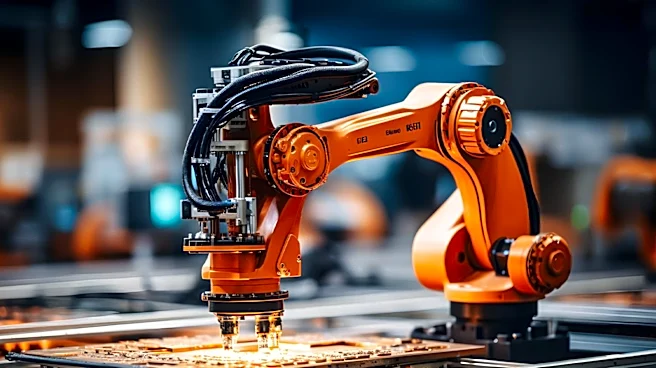
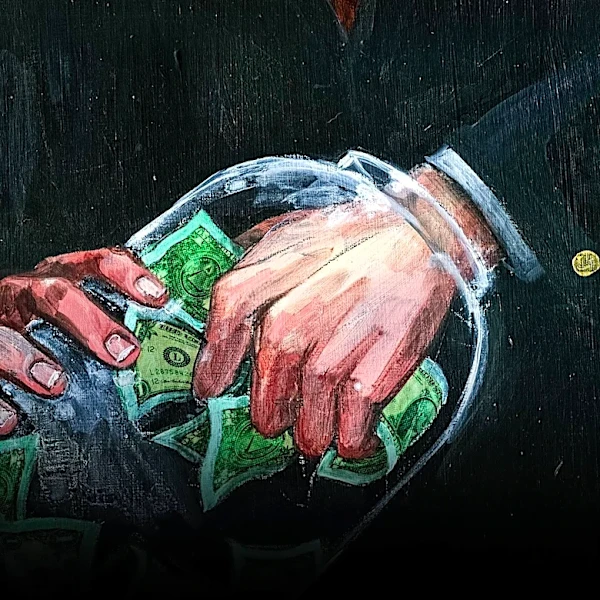
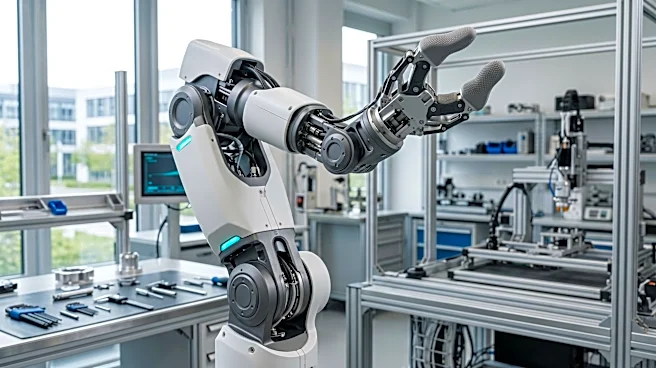
how production companies offer actors less money for subsequent projects, even after a successful film. He likened this practice to corporate executives not facing similar pay reductions when they are due for a raise. Burr further elaborated that companies are acquiring others primarily to terminate employees, which he described as a form of 'cannibalism.' He questioned how consumers would be able to afford products if widespread job losses eliminate their income. When Ice Cube brought up the increasing reliance on automation and outsourcing, Burr agreed, labeling these efforts as unsustainable. He speculated that executives are preparing for a 'Y2K-level fix,' suggesting they will secure their own futures while the rest of society faces economic hardship, ultimately being left with only robots.
Why It's Important?
Burr's comments highlight a growing concern within the entertainment industry and broader economy regarding corporate practices and their impact on labor and economic stability. His perspective, shared on a widely listened-to platform, reflects anxieties about job security, fair compensation, and the long-term effects of automation and outsourcing. The discussion underscores a perceived disconnect between corporate profits and the well-being of the workforce, particularly in creative fields where project-based employment is common. If Burr's observations about companies buying others to 'fire everybody' are indicative of a wider trend, it could lead to significant shifts in employment landscapes, increased economic inequality, and a reduction in consumer purchasing power, ultimately affecting various sectors of the U.S. economy. The sentiment also touches upon the debate surrounding the ethical implications of technological advancements like AI in the workplace.
What's Next?
The ongoing debate about corporate responsibility, automation, and job displacement is likely to intensify, particularly as technological advancements continue to reshape industries. Discussions like the one on 'Listen and Laugh' could fuel further public scrutiny of corporate strategies and potentially influence policy discussions related to labor laws, worker protections, and the future of employment. While Burr's comments are from a comedian's perspective, they resonate with broader societal concerns that could lead to increased calls for corporate accountability or even inspire labor movements. The entertainment industry, in particular, may face continued pressure to address issues of fair compensation and job security for creative professionals in an evolving landscape dominated by large production companies and emerging technologies.
Beyond the Headlines
Burr's 'cannibalism' analogy points to a deeper ethical concern about the sustainability of current corporate models. The idea that companies prioritize short-term gains through job cuts and automation, potentially at the expense of long-term economic health and societal well-being, raises fundamental questions about corporate governance and social responsibility. This perspective suggests a potential future where a small elite benefits from technological advancements while a larger segment of the population struggles with unemployment and economic insecurity. The discussion also implicitly touches on the psychological impact of such economic anxieties, as Burr himself has previously stated that he no longer watches the news due to the 'anxiety' it causes, believing there is 'no journalism anymore' and 'no solutions.' This reflects a broader sentiment of disillusionment with current systems and a search for viable solutions to complex economic challenges.