






What's Happening?
Saudi Arabia and Türkiye have signed a Memorandum of Understanding (MoU) on Cooperation in Electricity Projects. This agreement was formalized during the 31st Conference of the Parties to the United Nations Framework Convention on Climate Change (COP31)
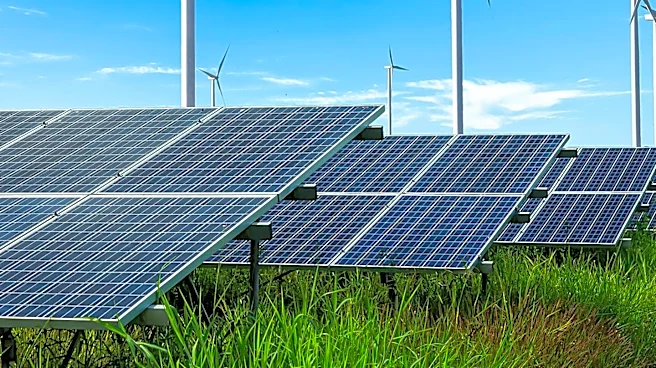
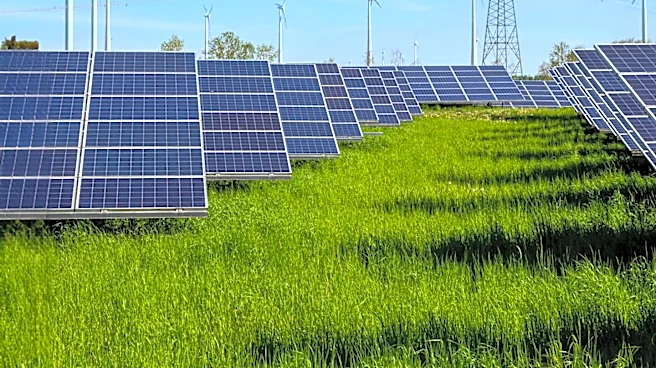
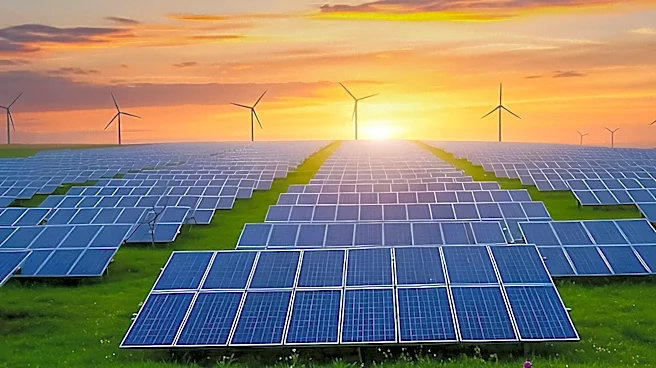
in Antalya, Türkiye. His Royal Highness Prince Abdulaziz bin Salman bin Abdulaziz Al Saud, Minister of Energy and Minister of Industry and Mineral Resources for Saudi Arabia, and His Excellency Alparslan Bayraktar, Minister of Energy and Natural Resources for Türkiye, signed the MoU. This new memorandum builds upon a previous agreement from February 3, 2026, which focused on cooperation in renewable energy and became effective on October 21, 2026. The earlier agreement outlined the development of renewable energy projects with a total installed capacity of 5,000 MWe, to be implemented in two phases by ACWA Power, a Saudi-designated investor company. The first phase targets 2,000 MWe, with the second phase adding another 3,000 MWe. Progress has been made on the first phase, and the second phase is in advanced stages of realization, focusing on wind power plants supported by high-voltage direct current (HVDC) transmission infrastructure and battery energy storage systems.
Why It's Important?
This expanded energy cooperation between Saudi Arabia and Türkiye signifies a strategic move towards enhancing renewable energy capacity and grid infrastructure in Türkiye. For the U.S., such international collaborations in renewable energy can have several implications. Increased global renewable energy adoption contributes to climate change mitigation efforts, aligning with U.S. environmental policy goals. Furthermore, the involvement of ACWA Power, a significant player in the energy sector, highlights the growing influence of Middle Eastern companies in global energy transitions. The development of advanced energy infrastructure, including HVDC transmission and battery storage, represents a significant technological advancement that could influence future energy strategies and investments worldwide, potentially creating new markets or competitive landscapes for U.S. energy technology firms. This partnership also underscores a broader trend of nations diversifying their energy portfolios and strengthening bilateral economic ties through sustainable development initiatives.
What's Next?
The immediate next steps involve the continued implementation of the first phase of renewable energy projects and the advancement of the second phase, which includes the development of wind power plants, HVDC transmission infrastructure, and battery energy storage systems. These investments are expected to bolster Türkiye’s renewable energy capacity and enhance its grid flexibility. The long-term goal is to deepen the strategic energy and investment partnership between Saudi Arabia and Türkiye. This collaboration could serve as a model for other nations seeking to expand their renewable energy infrastructure and could lead to further joint ventures in the energy sector. The success of these projects will likely be closely monitored by international energy organizations and other countries looking to transition to cleaner energy sources.
Beyond the Headlines
The collaboration between Saudi Arabia and Türkiye on electricity projects extends beyond mere energy development; it represents a significant geopolitical and economic alignment. Saudi Arabia, traditionally a major oil producer, is actively diversifying its economy and investing heavily in renewable energy as part of its Vision 2030. This partnership with Türkiye, a key regional power, could strengthen their bilateral relations and potentially influence regional energy dynamics. The focus on advanced technologies like HVDC and battery storage indicates a commitment to modern, resilient energy systems, which could set new standards for energy infrastructure development in the broader region. This strategic energy partnership could also have implications for global energy markets, as both countries aim to reduce their reliance on fossil fuels and contribute to a more sustainable energy future, potentially shifting investment flows and technological innovation towards renewable solutions.