








What's Happening?
China's Ministry of Commerce has proposed new export controls on 12 key technologies used in solar equipment manufacturing, citing national security concerns. This move is part of a broader revision of China's export-control list, which also includes
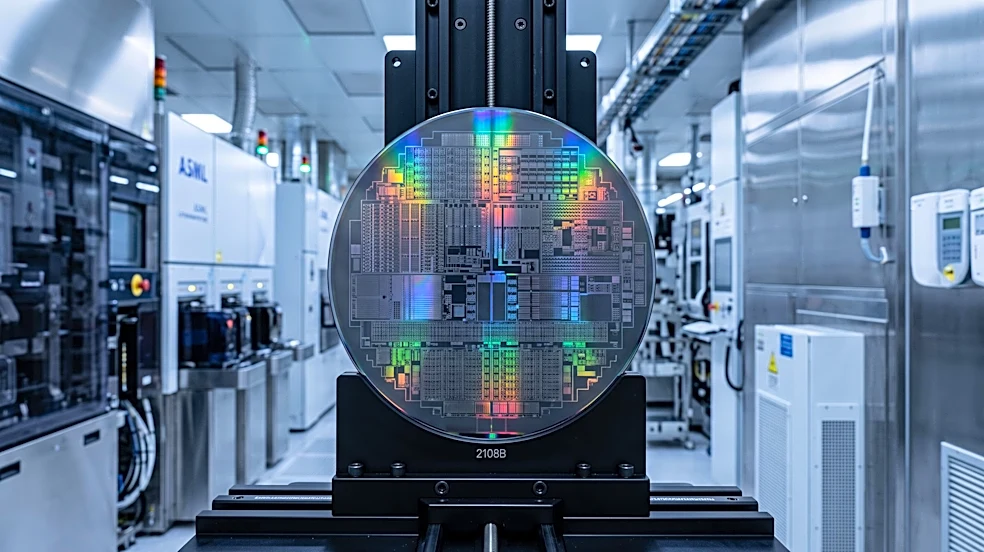
artificial intelligence and biotechnology. The proposed restrictions target technologies such as those for making thin wafers, perovskite and tandem solar cells, and large-scale fluidized-bed polysilicon production. The ministry stated that greater oversight is necessary because solar technologies are increasingly being utilized in sensitive sectors like aerospace and national defense. Public consultation on the proposal is open until November 15.
Why It's Important?
This proposal is highly significant for the global solar energy industry, particularly for the U.S., which is actively working to expand its domestic solar manufacturing capabilities. China currently dominates the global solar supply chain, and these export controls could severely impact the ability of U.S. and other international companies to access critical technologies and components needed for solar panel production. This could slow down the U.S.'s transition to renewable energy, increase manufacturing costs, and hinder efforts to reduce reliance on foreign supply chains. The move also highlights the increasing weaponization of technology in geopolitical competition, as China seeks to preserve its technological dominance and leverage it for strategic advantage, potentially affecting U.S. energy security and economic competitiveness.
What's Next?
Following the public consultation period, China is expected to formally update its export-control catalogue to include these solar manufacturing technologies. Once implemented, exporters will be required to register certain overseas technology transfers. This will likely lead to increased scrutiny and potential delays or prohibitions on the transfer of these technologies to foreign entities, including those in the U.S. U.S. solar manufacturers and policymakers will need to assess the full impact of these controls and potentially accelerate domestic research and development efforts to create alternative technologies or find new supply chain partners. This could also prompt the U.S. government to implement its own measures to counter China's actions, such as increased subsidies for domestic production or further restrictions on technology transfers to China.
Beyond the Headlines
The proposed export controls on solar technologies reveal a deeper strategic competition between China and the U.S. over critical emerging technologies and global industrial leadership. By restricting access to advanced solar manufacturing know-how, China is not only protecting its economic interests but also asserting its technological sovereignty and influence. This move could accelerate the decoupling of global supply chains in the renewable energy sector, forcing countries to develop more localized and resilient manufacturing capabilities. It also raises questions about the long-term implications for global climate goals, as restrictions on technology transfer could impede the rapid deployment of solar energy worldwide. The ethical dimension involves the balance between national security interests and the collective global effort to combat climate change, where open access to green technologies is often seen as crucial.